
Person-centred care represents the gold standard in modern social care. Rather than a one-size-fits-all approach, it places each individual at the heart of care decisions, respecting their preferences, values, and dignity. However, delivering genuinely person-centred care across a domiciliary care agency, supported living service, or residential facility requires more than good intentions. It demands the right tools, systems, and ways of working.
Person-centred care software has emerged as a critical enabler for UK care providers. These platforms move beyond basic record-keeping to create a comprehensive digital ecosystem where service users’ needs, preferences, and choices are captured, communicated, and acted upon at every touchpoint. For organisations struggling to balance regulatory compliance, operational efficiency, and genuine care quality, person-centred software addresses all three.
Understanding Person-Centred Care in Modern UK Social Care
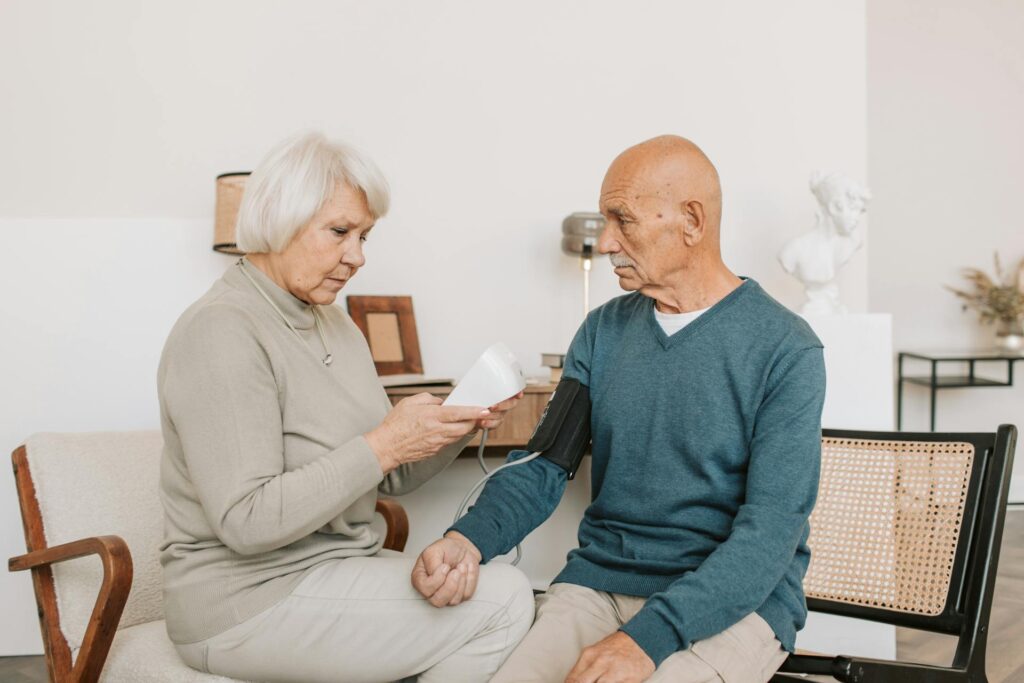
Person-centred care places the individual at the absolute centre of all decisions and actions. This approach respects service users’ autonomy, dignity, and right to make choices about their own care and support. It acknowledges that each person has unique preferences. As a caregiver, you need to take note of how they like to wake up in the morning, what activities matter to them, how they prefer to communicate, what brings them joy, and what worries or distresses them.
Practice means understanding and responding to these individual nuances consistently, across all shifts and all staff members. It’s operationally complex without the right systems. Without clear documentation of preferences and consistent communication channels, service users receive inconsistent care. Without easy access to complete person-centred profiles, newly assigned carers cannot provide the continuity and quality that service users deserve.
The CQC’s inspection framework increasingly evaluates organisations’ commitment to person-centred care. Inspectors examine whether care is responsive to individual preferences, whether service users’ voices are heard and acted upon, and whether the organisation has systems to capture and action individual choices. Organisations lacking digital systems to evidence this consistently face CQC criticism and potential ratings downgrades.
Key Features That Support Person-Centred Practice
Effective person-centred care software incorporates several interconnected features that work together to enable genuinely individualised care delivery.
Comprehensive Digital Care Plans
Rather than template-driven care plans where boxes are ticked and standard interventions recorded, person-centred software enables care plans that reflect each service user’s unique story, preferences, and choices. Carers can document how the individual likes to be supported with personal care, what activities bring them joy and engagement, how they communicate their needs, what medication side effects they experience, and what approaches have worked well in the past. This narrative, preference-based documentation helps newer carers understand the person they are supporting and adapt their approach accordingly.
Real-Time Accessibility and Communication
Person-centred care requires carers to access individual information quickly and communicate updates seamlessly. Modern person-centred software provides mobile apps that carers can access from the service user’s home, allowing them to view care plans, medication records, and preference documentation in real time. When a carer notices something important, like a change in mood, a new concern, a success to celebrate, they can document it immediately, ensuring other team members see this information and can respond appropriately.
Evidence of Care Quality at Point of Delivery
Person-centred care software captures evidence of person-centred care happening in real time. Carers document how they responded to individual preferences, what the service user wanted to do that day, what choices they made, and what the outcomes were. This creates a rich, continuous record of person-centred care happening consistently, which is invaluable both for CQC inspections and for genuinely understanding whether care is meeting individual needs.
Integration with Scheduling and Coordination
Organisations using person-centred care management software alongside digital rostering solutions can ensure individual care preferences inform scheduling decisions. For example, if a service user strongly prefers continuity of care, the rostering system can allocate the same carers whenever possible. This integration ensures that care preferences aren’t just documented but actively shape care delivery.
Benefits for Domiciliary Care and Supported Living Services

For domiciliary care agencies and supported living providers, person-centred software delivers transformative benefits across multiple dimensions of operation.
Improved Care Quality and Service User Satisfaction
When all carers have access to comprehensive, preference-based information about each service user, they can provide more individualised, responsive support. Service users experience greater continuity, consistency, and respect for their choices. Family members and advocates see that the organisation genuinely understands and responds to individual needs. Satisfaction improves, which translates to reduced turnover and better referrals.
Enhanced Recruitment and Retention
Care workers increasingly seek roles where they can deliver genuinely person-centred care. Organisations with transparent person-centred systems attract better staff and retain them longer. Rather than rushing through standardised care tasks, carers see the individual they are supporting, understand what matters to that person, and experience the deep satisfaction of making a genuine difference to someone’s life.
Stronger CQC Inspection Performance
CQC inspectors explicitly examine whether services are person-centred. Organisations with care plans reflecting individual choices, care notes documenting person-centred responses, service users and families confirming their preferences are respected consistently receive positive inspection findings. The organisation can quickly produce comprehensive evidence of person-centred practice across all service users and care staff.
Operational Efficiency and Compliance
Person-centred software integrates care planning, scheduling, medication administration, activity logging, and communication into a single system. This reduces duplication, minimises administrative burden, and ensures information flows seamlessly across the organisation. Compliance with data protection, safeguarding, and care standards becomes embedded in daily workflows rather than a separate compliance function.
Improving CQC Inspection Readiness Through Person-Centred Systems

The CQC’s inspection framework places person-centred care at its core. Inspectors evaluate whether services understand and respond to individual preferences, whether service users’ voices are heard, and whether the organisation has systems to ensure consistent person-centred practice. Person-centred software directly addresses these inspection criteria.
When inspectors ask to see evidence of person-centred care, organisations with digital systems can produce comprehensive documentation: care plans reflecting individual preferences and choices, care notes documenting person-centred responses across multiple service users, examples of how individual choices led to changes in care approach, and feedback from service users confirming their preferences are respected. This systematic evidence of person-centred practice significantly strengthens inspection outcomes.
Moreover, person-centred software enables organisations to identify and address gaps in person-centred practice before inspections occur. Regular audits can reveal whether all care plans include individual preferences, whether all care notes document person-centred responses, and where additional training might be needed to strengthen practice. This proactive approach to continuous improvement is exactly what CQC inspectors expect to see.
Implementation: From Paper to Digital Systems
Transitioning from paper-based care records to digital person-centred software requires careful planning and change management.
Phase One: Assessment and Planning
Begin by assessing your current systems, identifying what works well and what creates friction or gaps. Engage staff at all levels—care workers, team leaders, managers, and service users themselves—to understand their needs and concerns. Select software that aligns with your organisation’s values and operational model, rather than forcing your practice to fit a generic system. Develop a clear implementation timeline and resource plan.
Phase Two: Training and Preparation
Thorough training is essential for successful implementation. Care workers need to understand not just how to use the software, but why person-centred documentation matters and how it improves their ability to deliver great care. Create champions within your team who can support others through the transition and model person-centred practice. Ensure that managers understand how to use the system for quality assurance and continuous improvement.
Phase Three: Phased Rollout
Rather than attempting organisation-wide implementation overnight, consider a phased approach. Begin with a pilot team or pilot service users, learn what works and what needs adjustment, then roll out across the organisation. This allows you to refine processes, address technical issues, and build staff confidence before full implementation.
Phase Four: Ongoing Support and Refinement
Implementation doesn’t end at go-live. Provide ongoing technical support, continue training as staff turnover occurs, and regularly gather feedback on how the system is supporting person-centred practice. Be willing to refine processes and configurations based on what you learn from actual use.
Measuring Success: Person-Centred Care Outcomes and Metrics
To demonstrate that person-centred software is delivering real benefits, establish clear metrics. Track service user satisfaction and feedback about whether their preferences are respected. Monitor staff retention and recruitment metrics because person-centred systems often improve both. Measure CQC ratings and inspection findings related to person-centred practice. Analyse care notes to assess the proportion that document person-centred responses and individual choices. Monitor incident reports to see whether person-centred practice reduces safeguarding concerns.
These metrics provide evidence that person-centred software is translating into genuine improvements in care quality and organisational performance.
Choosing the Right Person-Centred Care Software for Your Organisation
When evaluating person-centred care software, prioritise systems that genuinely support person-centred practice rather than simply replacing paper with digital documentation. Look for platforms that enable narrative, preference-based care planning rather than template-driven checklists. Ensure the software is accessible. Your staff needs to be able to view care plans and document updates quickly and easily from any device, including mobile phones.
Consider integration capabilities. The best person-centred software integrates with other tools your organisation uses, reducing data entry burden and ensuring information flows seamlessly. Evaluate reporting and analytics features. Can the system help you understand and evidence person-centred practice quality across your organisation? Finally, ensure strong data security and compliance features, protecting sensitive individual information whilst enabling appropriate information sharing.
Getting Your Team On Board
The success of person-centred software depends ultimately on care staff embracing it and using it to genuinely improve practice. Invest time in change management. Help staff understand how person-centred documentation supports them in delivering better care, not as administrative burden but as a tool that makes their work more meaningful and effective. Create space for staff feedback and refinement. When carers see that their experience using the system matters and improvements are made based on their input, adoption and engagement improve dramatically.
FAQs About Person-Centred Care Software
Does implementing person-centred software require completely changing our care practice?
No. If your organisation already practises person-centred care, person-centred care software formalises and strengthens that practice by providing tools to document and evidence it consistently. If person-centred practice is developing, the software supports your journey by making individual preferences visible and actionable for all staff.
How long does it take to implement person-centred care software?
Implementation timelines vary depending on your organisation’s size and readiness. A phased approach typically takes 2-6 months from initial planning through full rollout, with ongoing refinement continuing beyond go-live. The most important factor is allowing sufficient time for training and change management.
Will person-centred software slow down care delivery?
Initially, staff may need time to learn the system. However, once embedded, person-centred care software typically improves efficiency by providing immediate access to individual information, reducing time spent searching for records or waiting for information from other team members. The result is more efficient, responsive care delivery.
Deliver Person-Centred Care That Meets CQC Standards
Person-centred care requires systems that capture individual preferences, communicate them across your team, and evidence them during inspections. Manual processes can’t deliver the consistency or visibility you need. ShiftCare’s person-centred care software enables narrative care planning, real-time accessibility for carers, and comprehensive audit trails that demonstrate person-centred practice across all five CQC domains.
Start your free trial today. See how ShiftCare helps you deliver genuinely individualised care without adding admin burden.