The home care industry is booming. With nearly 700,000+ new caregiver positions projected annually over the next decade, attracting and retaining qualified caregivers has become essential for non-medical home care agencies. Yet many providers struggle to articulate caregiver roles clearly, resulting in hiring confusion, inconsistent service quality, and costly turnover.
A robust caregiver job description serves as far more than a hiring document. It’s a strategic recruiting tool that establishes clear expectations, opens career pathways, and signals your agency’s professionalism to prospective employees. Understanding the full scope of what caregivers do, from personal care assistance and medication management to emotional support and household help, enables you to attract candidates truly suited for the work while safeguarding your clients and your business.
What is a Caregiver?

A caregiver, also known as a personal care aide or home care assistant, provides essential support and assistance to individuals who need help with daily living activities while maintaining dignity, independence, and quality of life. Unlike nurses or clinical professionals, non-medical caregivers focus on hands-on assistance and compassionate support in residential settings, primarily clients’ own homes. This home-based setting requires caregivers to be resourceful, adaptable, and capable of working with minimal direct supervision while maintaining high standards of care and professionalism.
Defining the Role and Modern Expectations
The role has evolved significantly from what many people imagine. Today’s caregivers manage complex care coordination, use technology platforms for documentation and scheduling, and often serve as a critical information bridge between clients, families, and healthcare providers. Your caregivers are your client-facing representatives; they embody your agency’s reputation and values in the most intimate settings, i.e., clients’ homes.
Core Personal Care Responsibilities
Personal care forms the foundation of caregiver duties. This includes assisting clients with activities of daily living (ADLs) that they cannot safely or comfortably perform independently. Bathing and grooming assistance involves helping clients wash, bathe, and maintain personal hygiene while respecting modesty and dignity. Caregivers may adapt their approach based on mobility limitations, using specialized equipment or techniques to ensure safety. Dressing support means helping clients select and put on appropriate clothing for the weather and activities, which can be particularly important for clients with arthritis, limited mobility, or cognitive decline.
Toileting assistance is another core responsibility, handled with professionalism and discretion. This may include helping clients use the bathroom independently, managing incontinence supplies, and maintaining bathroom safety. Many agencies use care management software with clear documentation protocols to track these sensitive tasks and ensure consistency across shifts.
Eating and nutrition support involves preparing meals according to dietary requirements, assisting clients who have difficulty feeding themselves, and monitoring nutritional intake. Caregivers often recognize early signs of appetite changes or swallowing difficulties that may warrant medical attention. Transfer assistance, which is helping clients move safely from bed to chair, on and off toilets, and in and out of vehicles, requires proper body mechanics training to prevent injuries to both caregiver and client. Caregivers must understand fall prevention strategies and how to use assistive devices correctly.
Household Management and Daily Living Support
Beyond personal care, caregivers perform essential household tasks that enable clients to remain living independently at home. Light housekeeping duties typically include dusting, sweeping, mopping, and tidying living spaces. Laundry management involves washing, drying, folding, and putting away client clothing and linens according to care plans. These tasks maintain a safe, hygienic home environment and reduce infection risks.
Meal preparation is increasingly important as many home care clients have specific dietary needs related to chronic conditions, diabetes, heart disease, or swallowing difficulties. Caregivers follow recipes and dietary guidelines provided by care managers or nutritionists, ensuring meals are both nutritious and appetizing. Grocery shopping and errand management help clients obtain necessary items while preserving their independence and connection to their community.
Kitchen and bathroom cleaning, including sanitizing and disinfecting high-touch surfaces, has become especially important post-pandemic. Many caregivers now follow specific protocols for preventing infections and maintaining healthy home environments. This practical support allows clients to age in place safely while maintaining the dignity of living in their own homes rather than institutional settings.
Health Monitoring and Medication Support
While caregivers are not responsible for administering medications (unless they hold specific certifications), they play a vital support role in medication management. This includes organizing medications into pill organizers according to schedules, reminding clients when medications are due, and ensuring clients take doses correctly. Caregivers must understand basic medication safety and recognize when clients may be experiencing side effects or drug interactions that warrant healthcare provider contact.
Health monitoring involves observing clients for changes in condition and reporting concerns to families, care coordinators, or healthcare providers. This might include noticing unusual behavior, appetite changes, skin integrity issues, pain expressions, or difficulty with mobility that could indicate declining health. Many home care agencies now use digital care management platforms that enable caregivers to document observations in real-time and flag concerns for supervisory review.
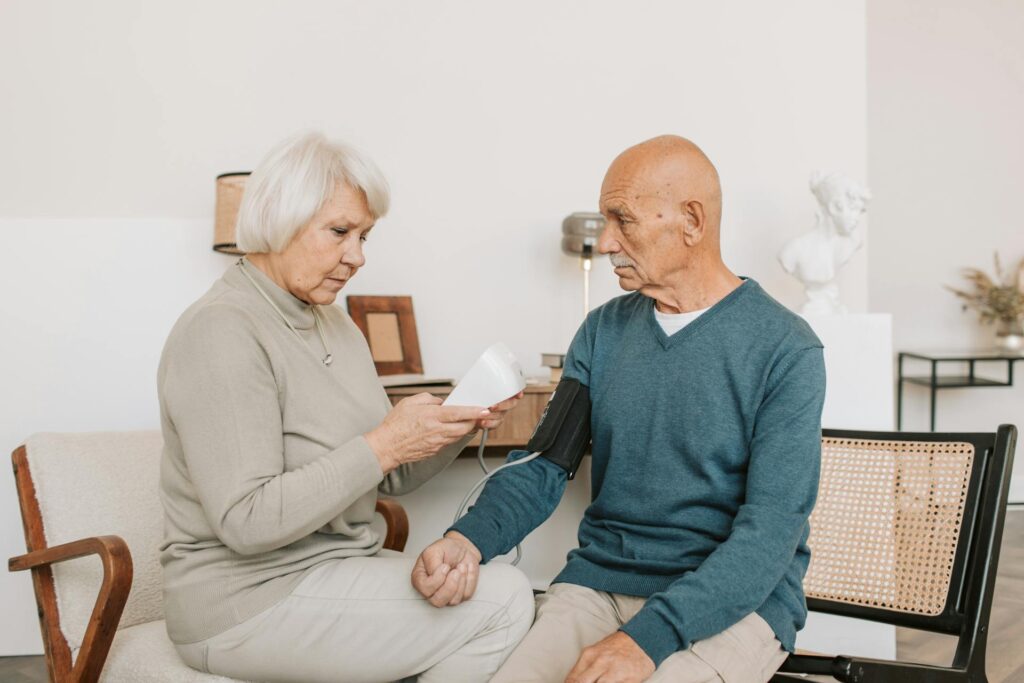
Vital sign monitoring may be within scope for some caregivers, particularly those working with clients post-hospitalization or managing chronic conditions. Temperature, blood pressure, and pulse monitoring help identify infections or cardiac changes early. Caregivers also help clients maintain communication with their healthcare providers by reminding them of upcoming appointments and ensuring attendance at medical visits.
Transportation and Community Engagement
Caregivers often provide essential transportation services, helping clients maintain connection to their communities and access healthcare. This includes driving clients to medical appointments, grocery stores, pharmacies, and social events. Safe driving is critical; caregivers must maintain valid licenses, follow traffic laws, and ensure vehicles are well-maintained and properly insured.
Beyond transportation, caregivers facilitate community engagement by accompanying clients to activities, social events, and recreational outings. This is especially important for isolated seniors or individuals with intellectual and developmental disabilities who benefit from meaningful activities and social connection. Such engagement directly improves mental health, reduces depression, and maintains quality of life.
Emotional Support and Companionship
One of the most valuable yet often overlooked aspects of caregiving is emotional support and companionship. Clients, particularly elderly or disabled individuals, often experience isolation, anxiety, or depression. Caregivers provide friendly conversation, active listening, and social engagement that can significantly impact mental health outcomes. This might include helping clients with hobbies, games, reading, or simply spending quality time together.
Caregivers also serve as emotional anchors during difficult transitions. Whether a client is adjusting to disability, recovering from illness, or facing end-of-life concerns, caregivers provide compassionate presence and practical support. For family members, knowing that their loved ones have caring, consistent companions brings immense peace of mind and reduces caregiver burden on family members themselves.
Documentation and Communication Responsibilities
In modern home care practice, caregivers must document their work accurately and communicate effectively across care teams. This includes maintaining visit records through your agency’s care management system, noting what was accomplished during each visit, any issues or concerns, and client status changes. Clear documentation protects both clients and your agency while creating the record necessary for billing, compliance, and care continuity.
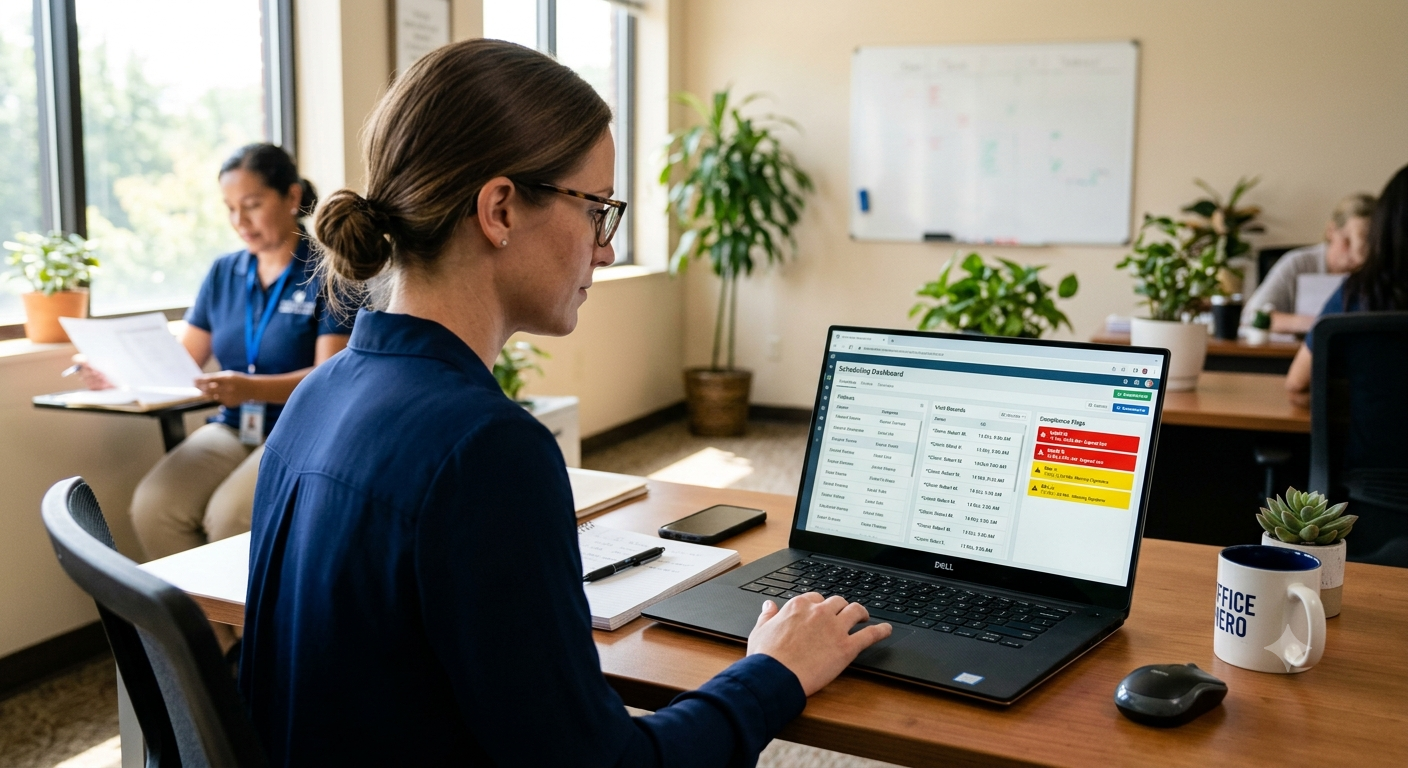
Caregivers communicate with supervising nurses, care coordinators, family members, and healthcare providers about client status and needs. This might involve written updates, phone calls, or secure messaging through your family portal. Agencies using comprehensive scheduling software with integrated communication tools can streamline this process, ensuring information reaches appropriate team members promptly.
Writing a Caregiver Job Description That Works for Your Agency
An effective caregiver job description should include minimum qualifications (high school diploma or equivalent, valid driver’s license, reliable transportation), required certifications (CPR/BLS, background clearance), and preferred qualifications (prior caregiving experience, specific language skills, relevant certifications). The description should outline reporting structure, expected hours and flexibility, wage and benefits, and growth opportunities within your agency.
Most importantly, frame caregiver duties within your agency’s care philosophy and values. If you emphasize family-centered care, person-centered planning, or trauma-informed approaches, your job description should reflect this. Candidates who align with your values are more likely to stay longer and deliver better care.
Consider using your caregiver job description as a training and evaluation tool as well. When new caregivers understand the full scope of their responsibilities and your quality expectations, they can perform better and feel more confident in their roles. Regular training updates on specific duties, whether new documentation protocols, schedule software changes, or evolving client needs, help maintain consistency across your caregiver workforce.
FAQs About Caregiver Job Description & Core Duties
What credentials do caregivers need to be hired?
Minimum requirements typically include high school diploma or equivalent, valid driver’s license with reliable transportation, background clearance (often within the last 5-7 years), and CPR/BLS certification or willingness to obtain it. Many agencies require TB testing and drug screening. Some positions may require additional certifications like Dementia Care Specialist or Certified Nursing Assistant, depending on client population and state regulations.
How can a good caregiver job description help with retention?
A comprehensive caregiver job description that clearly outlines expectations, advancement opportunities, support systems, and your agency’s values helps candidates self-select for roles they’ll find fulfilling. When new hires understand what they’re signing up for and feel the role aligns with their values and capabilities, they’re more likely to stay engaged and committed long-term.
Can caregivers give medications or perform medical tasks?
Non-medical caregivers cannot administer medications or perform clinical tasks like injections, catheter care, or wound dressing. However, they support medication management by organizing pills, reminding clients, and monitoring for side effects. Some caregivers obtain additional certification (CNA, HHA) enabling broader clinical duties. Always check your state regulations and ensure caregiver certifications match assigned duties to maintain compliance and quality.
Build Stronger Caregiver Teams with Clear Role Definition
A comprehensive caregiver job description attracts qualified candidates who understand the work, supports consistent care delivery, and creates the foundation for strong retention. As the home care industry continues rapid growth, agencies that thoughtfully define caregiver roles and provide the tools to support them will build stronger teams and deliver better client outcomes. ShiftCare’s care management platform helps you define roles clearly, track caregiver responsibilities, and support consistent team communication, all in one integrated system.
Start your free trial today. See how ShiftCare helps you build and retain stronger caregiver teams.