A structured caregiver onboarding process is one of the most effective retention tools a home care agency has. This guide covers what the first 30 days should include, which compliance steps have deadlines, and how to build an onboarding system that reduces turnover from the first shift.
Most caregiver turnover happens in the first 90 days. Agencies that lose new hires early share a common pattern: inconsistent orientation, skipped compliance steps, and new caregivers left to figure out expectations alongside experienced staff. A clear 30-day onboarding checklist converts that pattern into a structured process that sets performance expectations from day one.
What to Do Before a New Caregiver’s Start Date
Onboarding starts before the caregiver walks through your door. Order background checks immediately after a conditional job offer. Run criminal history at both state and federal level, plus any state-specific registries: abuse and neglect index, caregiver registry, and sex offender registry. Background verification takes time. Waiting until the start date to initiate clearances delays deployment and creates compliance gaps.
Prepare hiring paperwork in parallel. Have the following ready before day one:
- Employee handbook and acknowledgment form
- Benefits summary and wage and hour policies
- Confidentiality agreements
- HIPAA authorisation and any state-required consent forms
- Direct deposit mandate and emergency contact cards
Digital onboarding portals that centralize these documents reduce friction and make future updates easier than managing paper files across staff records.

Assign an Onboarding Buddy Before Day One
A senior caregiver with formal shadowing responsibilities performs better than one drafted at the last minute. Brief them on the new hire’s role, start date, and any specific learning needs before orientation begins.
What to Cover on Day One of Caregiver Orientation
Day one belongs in the office, not in a client’s home. Schedule a full orientation day, not a half-day paired with field shadowing. Greet your new hire personally, walk them through your facility, introduce them to the team, and spend real time on your agency’s values and operational priorities.
Home care is emotionally demanding work. Thirty minutes of leadership-led conversation about your agency’s mission shapes culture more effectively than a handbook paragraph. Cover what caregiving means beyond task completion, how trust with clients and families is built, and what person-centred care looks like in practice.
Documents to Confirm on Day One
Have your new hire sign or initial each item and retain copies in their personnel file:
- Handbook acknowledgment
- Confidentiality agreement
- Direct deposit form
- Emergency contact card
- Any state-required consents
Signed documentation is your compliance record if a question arises later.
Which Compliance Training Must Happen in Week One
Week one focuses on regulatory and administrative training. Many states require orientation training within the first 14 days of employment. Completing it in week one keeps you ahead of that deadline.
Mandatory Week One Training Topics
- HIPAA privacy practices and documentation obligations
- Mandated reporter responsibilities where applicable in your state
- Workplace safety and infection control basics
- Incident reporting protocol and when to escalate
Walk through your documentation system hands-on. Show your new caregiver how to complete visit notes, service logs, and incident reports. Have them fill out a sample visit record while you review it. Explain what detailed notes protect, for both the client and your agency, and what vague entries create: liability.
If your program requires Electronic Visit Verification (EVV), train on clock-in procedures, visit time documentation, and what to do when a device fails in the field.
New caregivers often hesitate to report concerns because they fear appearing incompetent. Establish from the outset that reporting issues is part of the job, not a reflection of performance.
How to Introduce New Caregivers to Clients in Week Two
Week two centers on safety training and supervised client introduction. Cover the following before any solo deployment:
- Infection control and hand hygiene protocols
- Body mechanics for lifting and transfers
- Emergency response procedures
- Assistive device use and transfer techniques for clients with physical disabilities
- Recognising signs of pain or distress
Supervised Client Visits in Week Two
Introduce your new caregiver to assigned clients in week two, but not independently. Have them attend visits with their mentor, observing how the mentor interacts with the client, manages the physical environment, and responds to unexpected needs.
Cover client-specific details this week: medical conditions, communication preferences, family expectations, and any behavioural considerations. Caregivers supporting clients with intellectual or developmental disabilities need communication strategies and behavioral support techniques before their first solo visit.
How to Build Caregiver Competency in Weeks Three and Four
By week three, your new caregiver should be performing tasks under supervision rather than purely observing. Follow a clear progression for each skill area:
- Observe the mentor performing the task
- Assist the mentor during the task
- Perform the task with the mentor present
- Perform independently
Skills to Document Before Solo Deployment
Use a role-specific checklist with the supervising mentor initialling and dating each skill as it is demonstrated:
- Bathing and personal hygiene assistance
- Dressing and grooming support
- Medication reminders
- Meal preparation
- Mobility and transfer support
- Housekeeping tasks within scope
Documented competency protects the caregiver and provides your agency with evidence of training if a compliance review arises.
Communication Scenarios to Role-Play in Week Four
- A family member requesting a task outside the scope of services
- A client disclosing a health concern
- A situation requiring escalation to a supervisor
Practice builds the confidence that prevents poor judgement calls in the field.
What the 30-Day Check-In Should Cover
At day 30, conduct a formal competency review. Go through the skills checklist built over the previous four weeks and confirm all required tasks are documented as completed.
Questions to Ask at the 30-Day Review
- What has been unclear during the first month?
- What could orientation explain better?
- What is working well on assigned shifts?
New hires identify process gaps that long-term staff have stopped noticing. Act on that feedback when it is reasonable.
Make an explicit deployment decision at the 30-day mark. If your new caregiver is ready to work independently, confirm the permanent schedule and benefits eligibility. If they need more time, create a specific plan with clear milestones and a new check-in date. Document the decision either way. Ambiguity at this stage creates resentment and drift.
How to Keep Caregiver Development Going Beyond 30 Days
Onboarding ends at day 30. Development does not. Schedule quarterly check-ins through year one to assess job satisfaction, identify skill gaps, and discuss career growth. Tie ongoing training to state licensing requirements and your agency’s operational needs.
Annual training updates keep caregivers engaged and reduce the skill decay that causes care quality to slip quietly over time. Cover changes to Medicaid rules, updates to person-centred care standards, and emerging practice in your service area as they become relevant.
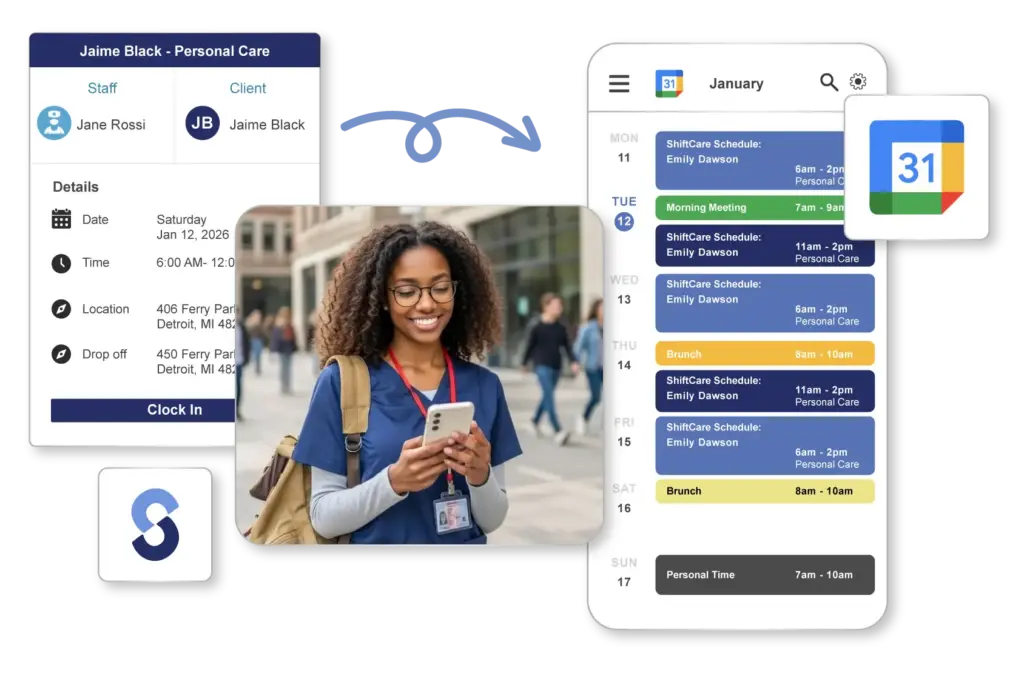
ShiftCare’s HR and staff management tools track onboarding completion, certification expiry dates, and training records across your entire workforce. The caregiver app gives new hires mobile access to shift assignments, visit documentation, and clock-in from day one, so onboarding into your operational systems happens alongside clinical orientation rather than weeks later.
Build a Caregiver Onboarding Process That Reduces Turnover From Day One
Caregiver turnover costs US home care agencies an estimated $2,500 to $5,000 per replacement when recruiting, screening, and retraining costs are factored in. A structured 30-day onboarding process is the most direct lever agencies have to reduce those costs before they accumulate.
ShiftCare’s care management platform supports onboarding workflows, staff certification tracking, and scheduling from a single system, so your team spends the first 30 days building caregiver relationships rather than chasing paperwork.
Start your free trial today and see how ShiftCare helps your agency onboard caregivers faster and retain them longer.