Your caregivers are working harder than ever, client satisfaction scores look good, and revenue is climbing. But your margins are shrinking. You’re billing for authorized hours while actual labor costs keep creeping up. The gap between what you’re paid for and what you’re actually delivering costs thousands of dollars monthly, and most HCBS providers don’t catch it until cash flow becomes a crisis.
Service over-delivery happens when caregivers provide more care than what’s authorized or billable. A 2-hour shift runs 2.5 hours. A caregiver stays an extra 30 minutes to finish a meal. Small extensions add up across dozens of clients and hundreds of shifts monthly. Here’s how it happens and what you can do to stop it.
1. Caregivers Don’t Know What’s Actually Authorized
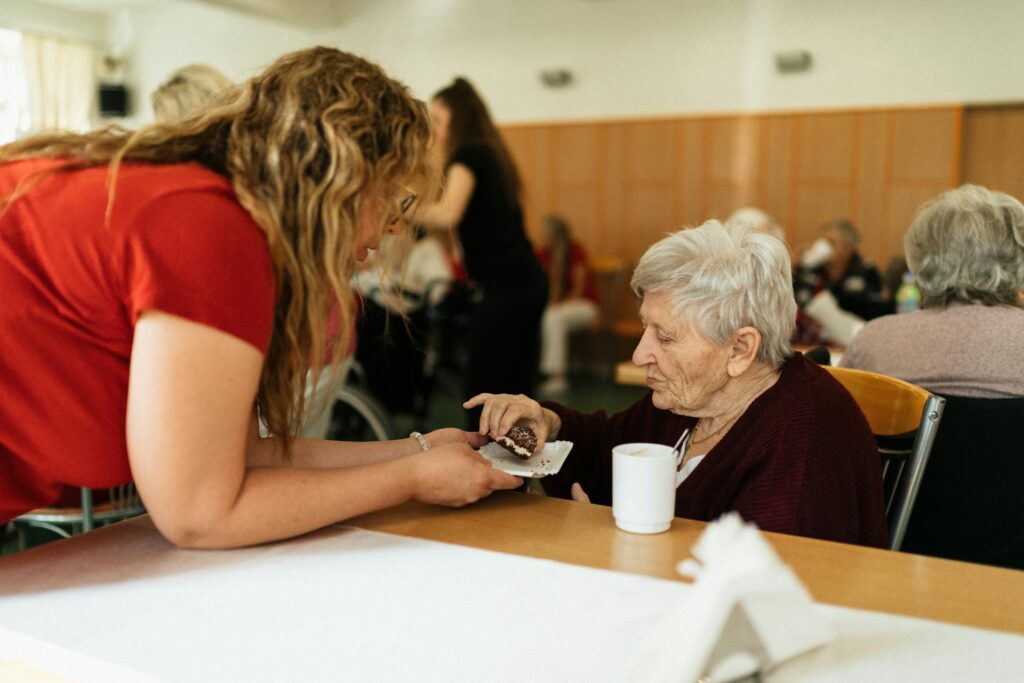
Your caregiver arrives for a scheduled 2-hour personal care shift. The client mentions they haven’t eaten lunch. The caregiver prepares a meal and stays an extra 45 minutes. You can only bill for the authorized 2 hours. You just paid for 45 minutes of unbillable labor.
Authorization paperwork lives in an office file or a care coordinator’s inbox. Caregivers in the field make judgment calls based on what seems right in the moment, not what’s billable.
To resolve, give caregivers mobile access to the authorized service plan before they arrive. If a client needs additional services, the caregiver flags it for the care coordinator to request an authorization update rather than providing unbillable care on the spot.
2. Shift Creep Adds Up Fast
A caregiver scheduled for 8:00 AM to 4:00 PM arrives at 7:45 AM to help with breakfast. They stay until 4:30 PM to finish documentation. The shift was supposed to be 8 hours. Payroll shows 8 hours and 45 minutes.
Multiply this across 10 caregivers working 5 days a week: you’re paying for an extra 43.75 hours weekly that you can’t bill for.
What causes it:
- Caregivers care about their clients
- They don’t want to leave tasks unfinished
- No one is tracking early arrivals or late departures
Tip: Time-tracking systems that flag early clock-ins or late clock-outs in real time. When a caregiver clocks in 15 minutes early, the supervisor gets an alert and can either approve the extra time or remind the caregiver to stick to scheduled hours.
3. You’re Missing Billable Services

A caregiver is authorized for 2 hours of personal care and 1 hour of homemaker services. During the shift, they also help the client with medication reminders, which is separately billable. But the caregiver doesn’t document it because they don’t know it’s billable. You provided 30 minutes of billable service and never claimed it.
Many HCBS programs have complex service definitions:
- Personal care might include bathing and dressing but not meal prep
- Homemaker services might include light housekeeping but not deep cleaning
- Medication reminders might be billable separately or bundled into personal care
Train caregivers on what’s billable. Use documentation templates that prompt them to record all services provided, not just the primary service code.
4. Travel Time Between Clients Costs Money
Your caregiver finishes with Client A at 2:00 PM. Their next shift starts at 2:30 PM, 25 minutes away. The previous shift ran 5 minutes late. Now the caregiver is late to Client B and you’re paying for 5 minutes of unbillable travel time.
Most states don’t reimburse for travel time between clients. If your system doesn’t account for realistic travel times, caregivers either arrive late or leave early from the previous shift. Either way, your margins suffer.
The best approach is to use scheduling software. It calculates travel time based on actual distance and flags shifts that are too close together. You can adjust start times or reassign caregivers who are geographically closer.
5. You’re Not Tracking Authorized vs Delivered Hours in Real Time
Most HCBS providers track authorized hours in one system and actual delivered hours in another. At the end of the month, someone manually compares the two. By then, you’ve already paid caregivers for services you can’t bill for.
Real-time tracking changes this. When a caregiver clocks in, the system checks the client’s remaining authorized hours. If the client has 5 hours authorized for the week and this shift would put them at 7 hours, the system flags it immediately. The care coordinator can request additional authorization or adjust the schedule before unbillable services are provided.
Stop Losing Money on Unbillable Services
Service over-delivery is an operational gap, not a caregiver problem. The providers who protect their margins:
- Give caregivers real-time access to service limits
- Track shift times and flag creep immediately
- Train staff on billable service definitions
- Build schedules that account for travel time
- Monitor authorized vs delivered hours daily, not monthly
ShiftCare’s HCBS scheduling and billing software tracks authorized hours against delivered hours in real time, flagging over-delivery before it impacts cash flow.
Start your free trial today and see how ShiftCare helps HCBS providers stop losing money on unbillable services.