Demand for home-based care is accelerating. The US aging population wants to age in place, hospital systems are actively shifting post-acute care out of facilities, and chronic disease management increasingly happens at home. For agencies, private duty is where the margin lives.
Medicare home health absorbed its fourth consecutive CMS payment cut in 2026. Medicaid HCBS waiver funding faces long-term pressure from federal budget legislation. Private pay operates outside both. Rates run $25 to $35 per hour nationally, margins reach 40 to 60%, and there’s no CMS reimbursement ceiling to compress them.
Why Private Duty Home Care Is Growing Faster Than Medicare Home Health
The market numbers reflect sustained structural demand. The global home health care agency market is valued at $332.89 billion in 2026 and projected to reach $608.53 billion by 2033, growing at a 9% CAGR according to Coherent Market Insights. North America holds 42.3% of that market.
Private duty captures the growth side of that picture. Three structural factors are driving it:
- Aging in place preference. Baby boomers are the primary demand driver. The US Census Bureau projects adults 65 and older will outnumber children under 18 by 2034. Most want to remain at home.
- Hospital discharge pressure. Health systems are reducing inpatient stays and skilled nursing facility utilization. Post-acute and chronic care is shifting toward home settings.
- Reimbursement stability. Private pay is not subject to CMS rate adjustments. Agencies with a strong private pay mix protect their margins from federal payment cycles.
What Service Models Private Duty Agencies Offer in 2026
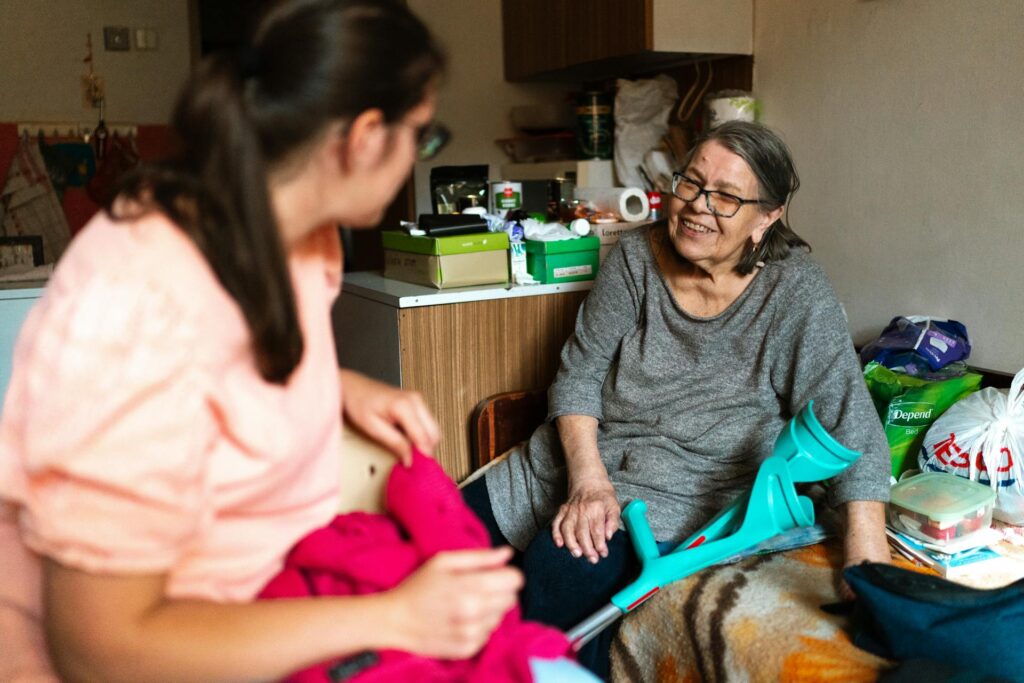
Private duty covers three distinct service tiers, each with different staffing requirements, licensing obligations, and revenue profiles.
| Service Model | Typical Services | Licensing Required | Average Rate |
| Non-medical personal care | Bathing, dressing, grooming, toileting, meal prep | Varies by state | $25 to $35/hr |
| Companionship and homemaking | Social engagement, light housekeeping, errands | Minimal in most states | $20 to $28/hr |
| Private duty nursing | Skilled nursing delivered privately outside Medicare | Licensed nurses required | $50 to $100+/hr |
Non-medical personal care is the core volume driver for most agencies. Companionship services carry the lowest caregiver qualification requirements and are exempt from state licensing in many states. Private duty nursing is the highest-margin tier and is expanding as hospital-at-home programs grow.
Chronic disease management is the fastest-growing application category, representing 25.5% of market demand in 2026. Agencies that add chronic care support, post-operative recovery services, or medication management to their service mix grow revenue per client without needing proportionally more caregivers.
How the Caregiver Shortage Is Shaping Agency Growth Strategy
Workforce is the binding constraint on private duty growth. More than 500,000 caregiver positions remain unfilled nationally. Annual turnover runs above 45%, with some industry estimates reaching 79%. An agency that can’t retain caregivers can’t take on new clients.
Three practices separate agencies with stable workforces from those perpetually backfilling:
- Flexible scheduling. Caregivers with control over their hours stay longer. Mobile-first platforms that let staff view assignments, manage availability, and swap shifts reduce churn more reliably than wage increases alone.
- Structured onboarding. Agencies that systematize caregiver training and certification tracking onboard faster and set clearer expectations from day one. Informal onboarding creates early attrition.
- Competitive pay informed by market data. The Bureau of Labor Statistics puts mean wages for home health and personal care aides at approximately $16/hour nationally. Agencies paying above that threshold, combined with consistent scheduling, retain significantly better than those at the floor.
Retention directly impacts revenue. A caregiver who leaves takes client relationships, scheduled hours, and institutional knowledge with them. Agencies that treat retention as a revenue protection strategy, not just an HR concern, grow faster.
What Trends Are Driving Private Duty Home Care Demand in 2026
Four shifts are expanding the addressable market for private duty agencies this year:
- Higher-acuity care at home. Services once delivered in skilled nursing facilities, including wound care, respiratory care, and post-surgical recovery, are moving into home settings. Agencies that can support higher-acuity clients command higher rates and deepen client relationships.
- Chronic condition management. Diabetes, cardiovascular disease, and chronic respiratory conditions require ongoing monitoring and daily support. Private duty agencies are increasingly the primary care touchpoint for clients managing long-term conditions.
- Technology-enabled care coordination. Telehealth integration, remote monitoring devices, and digital care plans are raising the quality bar. Agencies using connected health tools differentiate on outcomes, not just availability.
- Dual-eligible population growth. Clients enrolled in both Medicare and Medicaid often require personal care services Medicare doesn’t cover. Private duty fills that gap directly, and the dual-eligible population is growing as the boomer cohort ages.
How to Scale a Private Duty Agency Without Adding Administrative Overhead
Growth creates administrative weight. More caregivers mean more scheduling complexity, more certification deadlines, more documentation, and more billing. Agencies that scale manually hit a ceiling where admin costs consume the margin that made private duty attractive in the first place.
The agencies that scale cleanly automate the layer between care delivery and billing:
- Scheduling automation matches caregiver availability, client preferences, and travel time without manual coordination. Every unfilled shift is a missed billing opportunity.
- Certification tracking with automated expiry alerts prevents the compliance gaps that surface when a caregiver’s credentials lapse mid-schedule.
- Real-time documentation logged at point of care feeds directly into billing workflows, cutting the reconciliation time between service delivery and claim submission.
- Cost visibility for payroll and shift planning lets operators see labor costs in real time, not after payroll closes.
ShiftCare’s home care platform connects scheduling, care documentation, and billing in one system. E-billing automation matches documented visits to claim submissions, and care management workflows keep participant records and support plans organized as caseloads grow.
Start Growing Your Private Duty Agency Without the Admin Drag
Private duty demand is there. The constraint is operational, not market-driven. Agencies that automate scheduling, documentation, and billing scale their caregiver capacity without scaling their back office at the same rate.
Start your free trial today. See how ShiftCare helps private duty agencies grow without the administrative tasks that stall them.