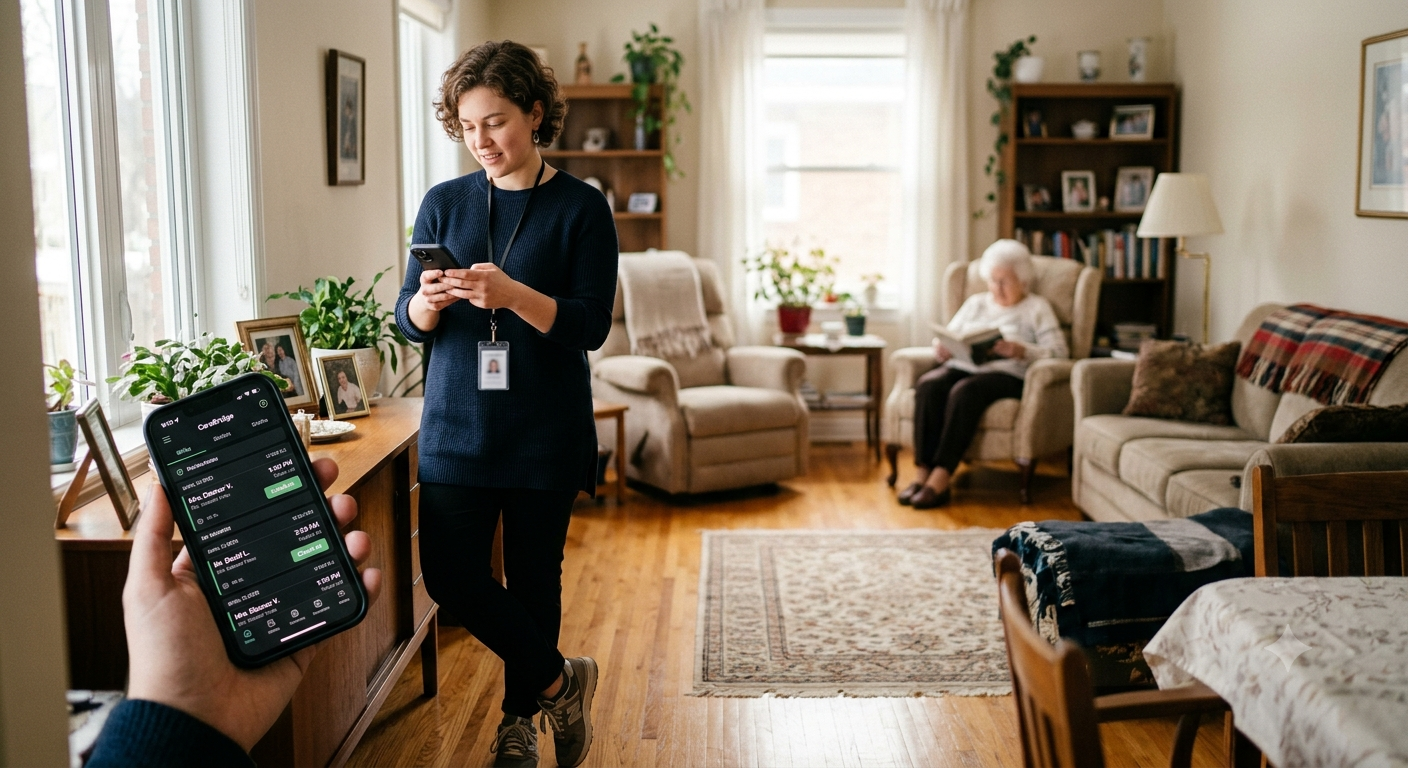
Managing multiple service types requires separate scheduling rules, billing codes, documentation standards, and staff qualifications for each service line. Many Canadian disability and home care providers offer residential support, community participation, respite care, day programs, and life skills training. Without integrated systems, multi-service providers face scheduling conflicts, billing errors, and documentation gaps that waste time and create compliance risk.
Providers offering diverse services need systems that handle different service models in one platform. Here’s how to manage residential, community participation, respite, day programs, and life skills services without creating operational chaos.
1. Residential Support Services

Residential services run 24/7 with rotating shifts, overnight coverage, and multiple staff per location. Staff need certifications for medication administration, crisis intervention, and sometimes specialized training for specific disabilities.
Scheduling challenges:
- Overlapping shifts during handover periods
- Ensuring minimum staffing ratios are maintained
- Managing sleep shifts versus awake overnight shifts
- Coordinating staff across multiple residential sites
What your system needs to do:
- Set minimum staffing requirements per site and flag when schedules fall below threshold
- Track which staff are certified for medication administration and overnight shifts
- Allow overnight shifts to span multiple calendar days without creating payroll errors
- Show real-time staffing levels across all residential locations from one dashboard
Billing and documentation: Residential billing often uses daily or monthly rates rather than hourly. Your system should handle both rate structures without requiring separate billing workflows. Documentation includes incident reports, medication logs, and daily living notes that need to be accessible to all staff at that location.
2. Community Participation Programs
Community participation involves scheduled outings, recreational activities, volunteer work, and social skill development. Sessions typically run during business hours with multiple participants per staff member.
Scheduling challenges:
- Matching staff availability to program times (mornings, afternoons, evenings)
- Ensuring staff have required qualifications (first aid, transportation, specific activity training)
- Managing group ratios (1:3, 1:4, 1:5 depending on participant needs)
- Coordinating transportation between participants’ homes and program locations
What your system needs to do:
- Allow group scheduling where one staff member is assigned to multiple participants
- Track staff-to-participant ratios and flag when groups exceed safe limits
- Calculate and flag realistic travel times between pickup locations
- Handle split billing when some participants are funded differently
Billing and documentation: Community participation billing varies by funder. Some pay per participant per day. Others pay hourly per participant. Documentation focuses on participation records, activity logs, and progress toward social goals.
3. Respite Care Services
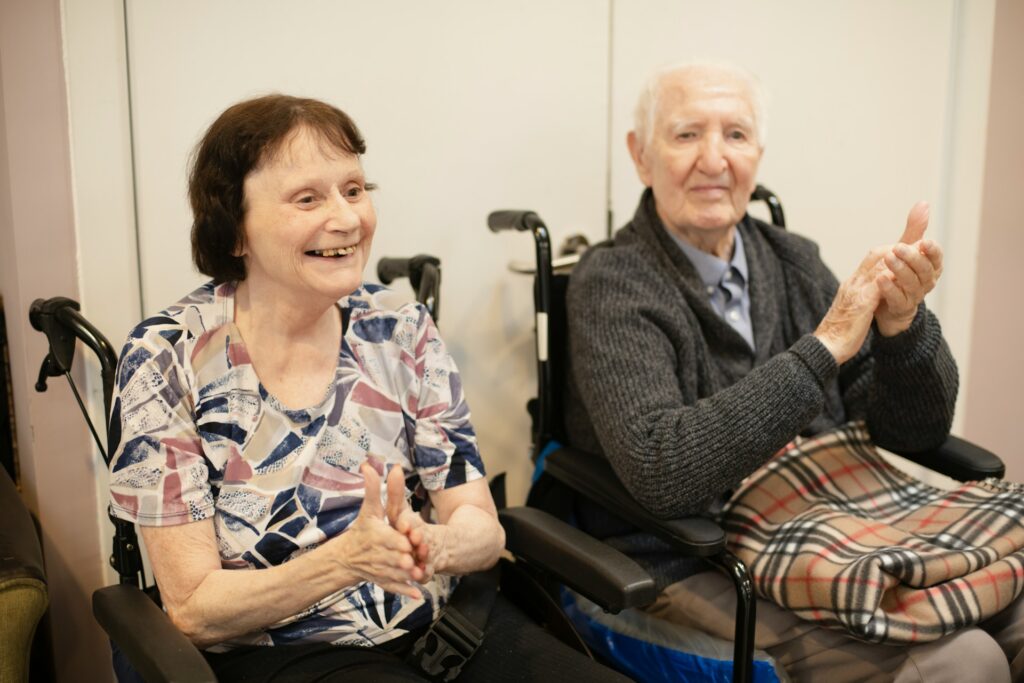
Respite provides temporary relief for primary caregivers. It can be in-home, out-of-home, or emergency respite with widely varying durations (a few hours to multiple days).
Scheduling challenges:
- Last-minute or emergency bookings that disrupt existing schedules
- Matching respite workers to participants they haven’t worked with before
- Managing both planned respite (scheduled weeks in advance) and crisis respite (needed immediately)
- Ensuring respite staff have clearance to work in participants’ homes or at respite facilities
What your system needs to do:
- Flag available staff who meet minimum qualifications when emergency respite requests come in
- Allow respite bookings without requiring long lead times for authorization
- Track respite hours separately from other service types for participants receiving multiple services
- Send automatic notifications to available staff when urgent respite coverage is needed
Billing and documentation: Respite billing depends on duration and location. In-home respite might bill hourly. Overnight or weekend respite might bill at a daily rate. Documentation includes detailed handover notes from family caregivers and incident reports if anything unusual occurs.
4. Day Programs
Day programs provide structured activities, skill development, and social engagement during weekday business hours. Participants typically attend multiple days per week on consistent schedules.
Scheduling challenges:
- Creating recurring weekly patterns for participants who attend the same days each week
- Managing program capacity (maximum participants per day or per activity)
- Coordinating specialized staff (speech therapists, occupational therapists, recreation staff)
- Handling absences and attendance tracking for funding compliance
What your system needs to do:
- Support recurring schedules that auto-generate weekly or monthly
- Track attendance in real time and flag unexpected absences
- Manage program capacity limits and waitlists
- Allow activity-specific scheduling (art therapy, music, life skills workshops) within the broader day program
Billing and documentation: Day programs often bill per day attended or per month based on contracted days. Attendance records are critical for billing compliance. Documentation includes progress notes, activity participation logs, and behavioral observations.
5. Life Skills Training
Life skills training focuses on teaching specific competencies: cooking, budgeting, job readiness, independent living, social skills. Sessions are typically one-on-one or small group, scheduled around individual goals.
Scheduling challenges:
- Matching trainers with specific skill competencies to participant goals
- Coordinating sessions around participants’ other services (day programs, employment, therapy)
- Managing community-based training locations (grocery stores, banks, workplaces)
- Ensuring consistent trainers for participants who need relationship continuity
What your system needs to do:
- Tag staff with specific training competencies (cooking instruction, employment coaching, financial literacy)
- Allow scheduling at non-traditional locations (community settings, participants’ homes, workplaces)
- Link training sessions to participant goals and track progress toward measurable outcomes
- Prevent double-booking when participants receive multiple service types
Billing and documentation: Life skills training typically bills hourly. Documentation must show goal-directed activity and measurable progress, not just time spent. Funders want to see evidence that training is achieving outcomes.
What Happens When You Run Multiple Service Types in Separate Systems
Providers using separate scheduling tools for residential, day programs, and community participation create operational problems:
- Staff get double-booked because one system doesn’t know about assignments in another system. A staff member scheduled for a morning community outing in System A gets rostered for a residential shift in System B.
- Billing errors multiply when you’re reconciling service delivery across multiple platforms. A participant receives residential support in one system and respite in another. Finance has to manually combine records to generate accurate invoices.
- Training and credential tracking breaks down when qualifications are stored in different places. A staff member’s first aid certification expires, but only one system flags it. They continue working in services managed by the other system.
- Reporting becomes manual because you can’t pull organization-wide data from fragmented systems. When a funder asks for service utilization across all programs, you’re exporting and combining spreadsheets.
What a Unified System Does Differently
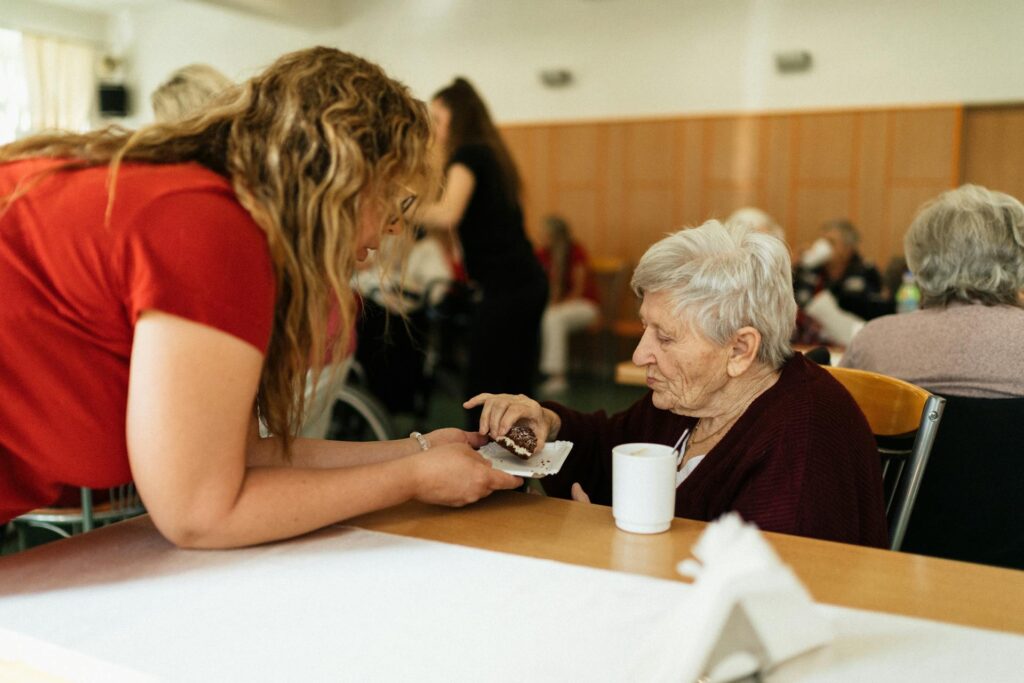
A unified care management system allows providers to schedule all service types in one platform while applying different rules, rates, and documentation standards to each.
- One staff availability calendar: Staff indicate when they’re available. The system shows all assignments across all service types. Double-booking becomes impossible.
- Service-specific scheduling rules: Residential shifts require overnight-certified staff. Community participation enforces group ratios. Respite allows emergency bookings. Life skills matches trainers to competencies. The system enforces rules automatically based on service type.
- Integrated billing: When a participant receives residential support Monday through Friday and respite on Saturday, the system generates one invoice with correct rates and service codes for each. No manual reconciliation needed.
- Centralized credential tracking: Staff qualifications are stored once. When a certification expires, the system flags it across all service types. You can’t schedule that staff member until credentials are renewed.
- Unified reporting: Pull organization-wide reports showing service utilization, staff deployment, revenue by service type, and participant outcomes across all programs from one dashboard.
Manage All Your Services in One Care Management Platform
Providers offering multiple service types need care management software that handles different scheduling models, billing structures, and documentation requirements without creating separate workflows for each service line. ShiftCare’s Canadian care management platform supports residential, community participation, respite, day programs, and life skills training in one system with service-specific rules, integrated billing, and real-time visibility across all programs.
Start your free trial today. See how ShiftCare helps Canadian providers manage multiple service types without the chaos.