Ontario disability support HR management starts with the reality many agencies face: a disability support worker calls in sick 30 minutes before a shift, you have no backup, and the client has been waiting for support all week. By month’s end, you’ve lost three staff members and client support is compromised. This is the daily reality in many Ontario disability support organisations: high turnover, burnout, and the constant scramble to fill shifts.
Ontario’s Disability Services Act and the evolving Developmental Services sector expect agencies to maintain consistent, quality care. Consistency is impossible if your workforce is unstable. The good news: intentional HR practices (including structured onboarding, credential management, clear performance expectations, and transparent communication) can cut turnover and build a reliable, motivated team.
Structured Onboarding and Role Clarity
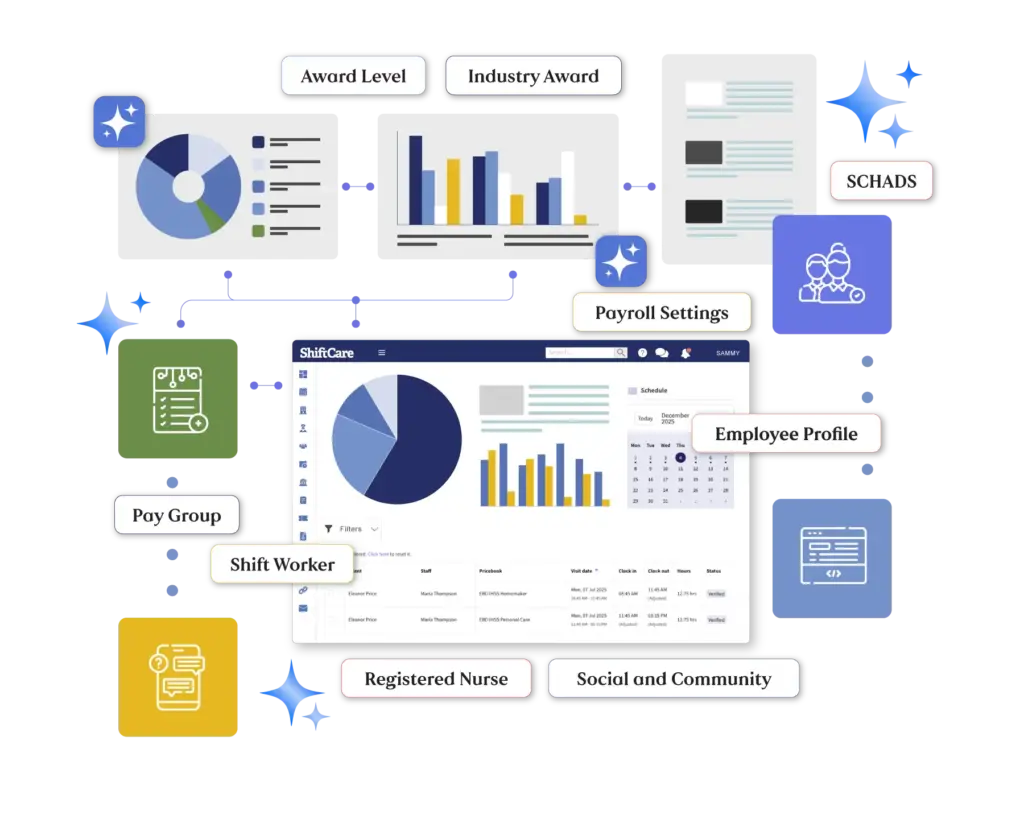
The first 30 days set the tone. A new support worker who is thrown into shifts without clear guidance, unclear about their responsibilities, and uncertain about who to ask for help is at risk of burning out within months.
Instead, build a structured onboarding program:
Week 1: Orientation
New hire learns agency policies, health and safety rules, and client confidentiality. They meet their supervisor and the team. They review the agency’s code of conduct, incident reporting procedures, and emergency protocols. This takes one to two days; the rest of the week is shadowing a senior staff member to see the work in context.
Weeks 2 to 4: Supervised Shifts
New hire works alongside an experienced support worker. They start with observation, then with guidance, then with the supervisor checking in. By the end of week four, the new hire should be able to work independently with a client, with a supervisor available for questions.
Ongoing: Clear Role Description
Every support worker should have a written role description that details:
- Job title and classification (DSW, PSW, support worker; part-time or full-time).
- Key responsibilities (personal care, medication support, transportation, community access, behaviour support).
- Reporting structure (who is their direct supervisor).
- Hours and scheduling expectations.
- Salary, benefits, and how overtime is handled.
- Opportunities for advancement (what does a senior DSW role look like, and how does a new DSW get there?).
This seems obvious, but many smaller agencies operate without clear role descriptions. Workers don’t know what’s expected, assume the job is “whatever needs doing,” and are confused about pay and advancement. Clarity reduces resentment and turnover.
Training Documentation and Compliance Records
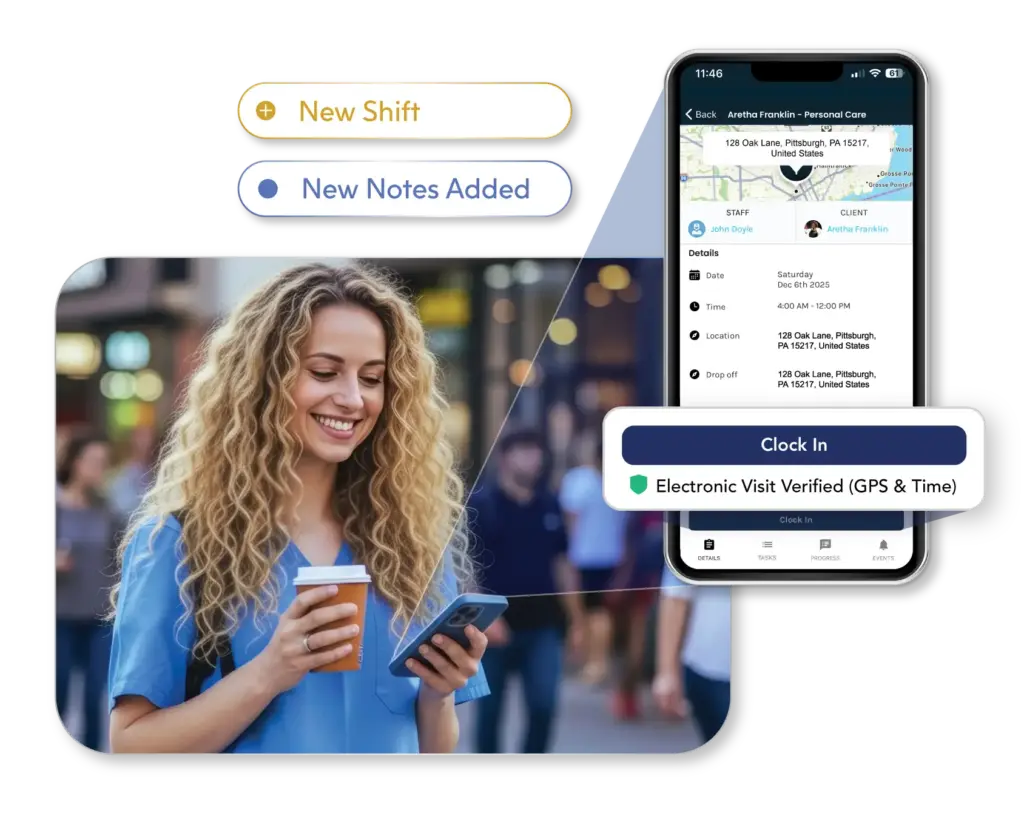
Ontario’s Developmental Services standard (now being integrated into broader DSO accountability frameworks) requires evidence that staff are trained in:
- Health and safety (annually).
- Communicating with clients (relevant to client’s communication methods).
- Safeguarding (recognising and reporting abuse and neglect).
- First aid and CPR (for roles that require it).
- Medication administration (if applicable).
- Behaviour support techniques (if the agency supports clients with challenging behaviour).
- Critical incident procedures.
Many agencies have staff who are certified, but the certifications are scattered in files, renewals are missed, or there’s no easy way to show an auditor that all staff are trained. This creates compliance risk and liability.
Set up a training and credential management system:
- Document all training (dates, content, who provided it, and whether the staff member demonstrated competency).
- Track expiry dates for certifications (CPR, first aid, vulnerable sector checks). Set up automated reminders so renewals aren’t missed.
- Maintain a staff credential matrix: a spreadsheet or database showing each staff member, their certifications, and the expiry date. Update it monthly.
- Link training to client needs: if a client has complex behaviour, ensure that the assigned support workers have specific behaviour support training.
A simple system is better than no system. Many agencies use platforms that specialise in staff credential management as part of broader disability support management software.
Performance Management and Accountability

A support worker’s performance directly affects client outcomes and agency liability. Yet many agencies avoid formal performance management, either because it feels awkward or because they’re understaffed and afraid of losing anyone.
Structured performance management protects both the worker and the agency:
- Ongoing feedback: Regular check-ins (monthly or quarterly) with the supervisor. Not just “how are you doing?” but specific: “How are you managing the client’s morning routine? Are there any barriers you’re running into?” These conversations should be documented (date, topics, action items).
- Annual performance review: A formal review that covers adherence to role responsibilities, quality of client care, professionalism and teamwork, attendance and reliability, and training and development goals for the coming year.
- Documentation: All reviews, feedback, and improvement plans must be documented and signed by both the worker and the supervisor. This protects the agency if a dispute arises and demonstrates to an auditor that you have a fair process.
Incident Reporting and Continuous Improvement
When a critical incident occurs (a client is injured, a medication error happens, a staff member is accused of misconduct), the agency must document and report it according to provincial rules. In Ontario, certain incidents trigger mandatory reporting to the Ministry of Children, Community and Social Services (MCCSS) and possibly to other authorities.
Support workers must understand what counts as a critical incident, how to report it (to whom, in what format, by what deadline), and that their role is to document what they observed, not to investigate or assign blame.
Set up a process:
- Incident reporting form: Available on the agency’s intranet or as a paper form. It asks: What happened? When? Where? Who was involved? Who witnessed it? What was the immediate outcome?
- Immediate supervisor review: The supervisor receives the report, verifies facts, and escalates to management if required.
- Ministry notification: If the incident meets the threshold, notify the ministry within the required timeframe (often 24 hours for serious incidents).
- Follow-up and documentation: Document the investigation, any corrective action, and whether the client received additional support.
Staff who report incidents should never be penalised for reporting. Agencies that punish reporters create a culture of silence, which is illegal and dangerous. The Ontario Ministry of Children, Community and Social Services provides guidance on mandatory reporting obligations for DSO-funded agencies.
Ontario Disability Support Worker Workforce Stability and Turnover Management
Turnover is expensive. Every departing staff member costs time to recruit, train, and cover shifts. Clients lose continuity of support, which can harm their wellbeing and progress. The best turnover management is prevention.
- Pay competitively: Ontario disability support workers are often paid less than they could earn in a hospital, long-term care facility, or private home care agency. Paying at or above the local market rate reduces turnover significantly.
- Offer benefits: Even if salary is modest, offering benefits (health coverage, pension contributions, paid time off) improves retention.
- Create advancement: A DSW who’s been with the agency for three years should see a path: senior DSW, team lead, coordinator, manager. Clarity on advancement keeps engaged people motivated.
- Listen and act: Exit interviews often reveal the real reason someone is leaving. If multiple people leave citing burnout, workload, or a difficult manager, address it.
- Monitor and measure: Track your turnover rate (especially for key roles). A 30% annual turnover is typical in disability support; if you’re seeing 40% or higher or if key positions turn over repeatedly, investigate.
Build a Sustainable Workforce of Carers
Ontario’s disability support sector is under unprecedented pressure. Clients have complex needs, families expect high-quality consistent care, and the province expects evidence of outcomes. You can’t deliver that with a burned-out, unstable workforce. Invest in structured onboarding, clear roles, training and credential management, fair performance management, transparent incident reporting, and a culture that values and retains good people. These practices aren’t optional nice-to-haves; they’re essential to client safety, compliance, and the sustainability of your agency.
The agencies that thrive in Ontario’s evolving DSO framework treat their support workers as skilled professionals, not just shift-fillers. ShiftCare’s platform for Ontario providers integrates scheduling, credential tracking, and incident documentation to support your HR workflow.
Start your free trial today. See how ShiftCare helps you build a sustainable, compliant workforce.