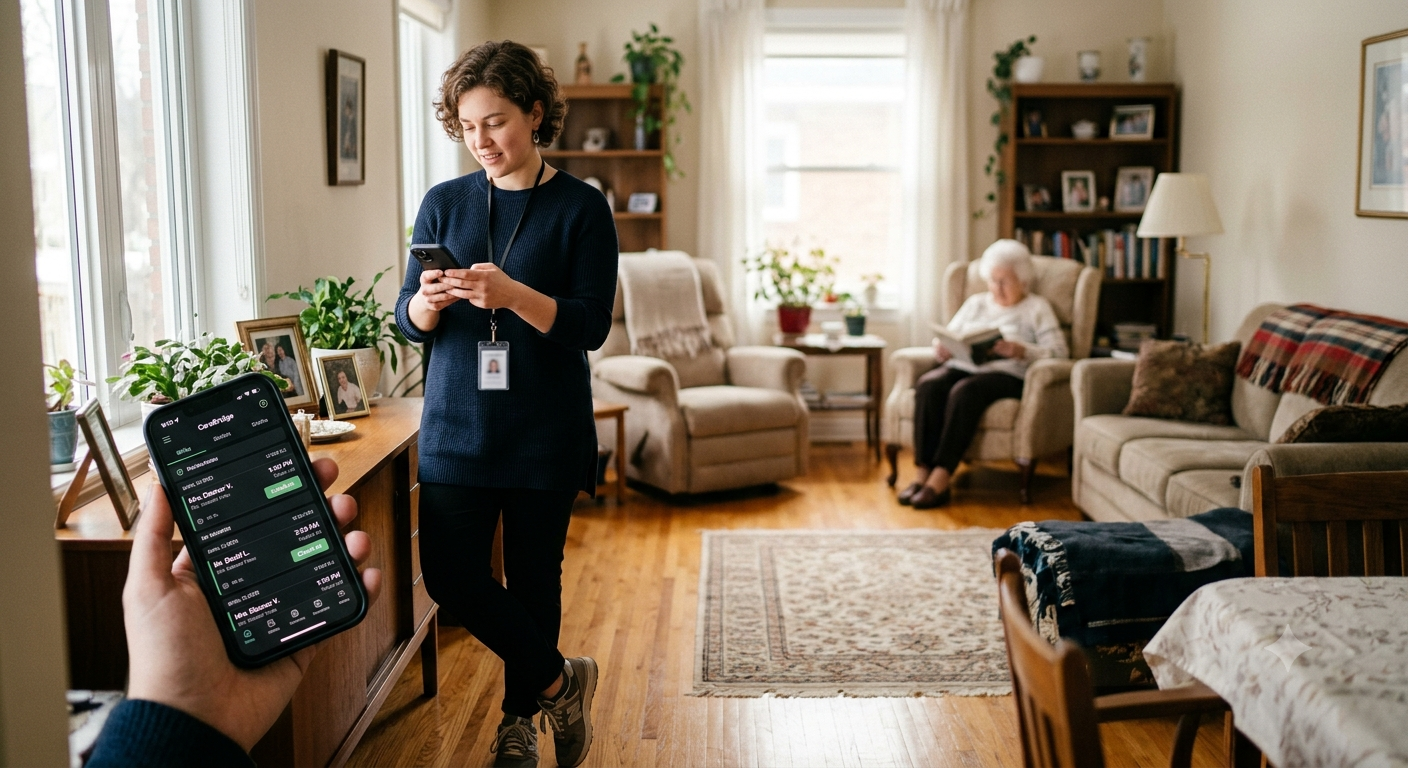
Canadian disability providers navigate multiple funding sources across provinces with different invoicing requirements. Ontario DSO providers follow different rules than BC CLBC providers. Agencies managing both provincial funding and private pay need systems that separate billing streams without creating duplicate records.
Here’s what disability service providers need to know about invoicing provincial programs, private clients, and mixed funding arrangements.
What Information Disability Service Invoices Must Include

All disability service invoices need specific information regardless of funding source. Missing or incorrect data causes rejections and payment delays.
- Client identification includes the full legal name, date of birth, and funding program identifier (DSO number in Ontario, CLBC number in BC, PDD client ID in Alberta). Even small errors in client identifiers trigger rejections.
- Service details document what supports were provided, when they were delivered, who delivered them, and how long each service lasted. Provincial funding bodies audit service records against invoices, so documentation must match exactly.
- Billing codes and rates must align with approved service categories and contracted rates. Using outdated codes or rates that don’t match funding agreements causes automatic rejections.
- Authorization references link each invoice line to the client’s approved service plan or funding authorization. Without these references, funders can’t verify services were authorized and won’t process payment.
- Provider information includes your agency name, provider number, contact details, and banking information for payment. Incorrect provider identifiers delay payment even when service records are correct.
How Invoicing Differs Across Canadian Provinces
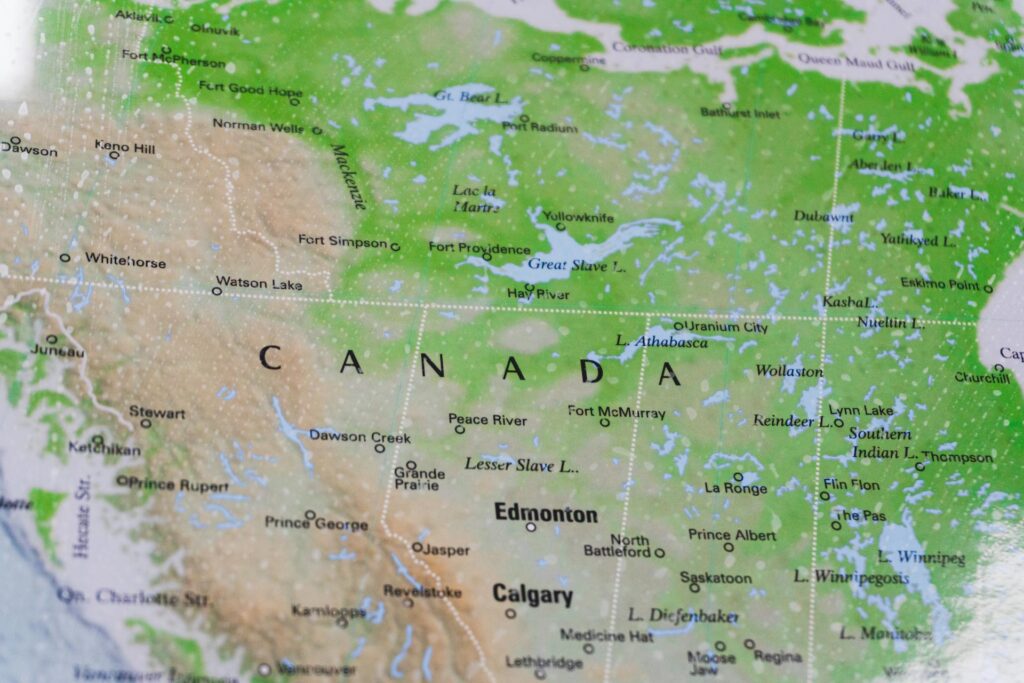
Provincial disability funding programs have different invoicing requirements, timelines, and submission methods.
Ontario DSO Invoicing
DSO providers typically invoice monthly through Ministry-approved systems. Invoices must reference the service contract, include daily service logs for residential supports, and document actual hours for respite and community participation services.
Payment cycles run 30 to 45 days after invoice submission. Providers submit financial reports quarterly showing how contracted funding was spent across service categories.
BC CLBC Invoicing
CLBC invoices require service confirmation from the client or their representative. Providers document authorized hours, actual hours delivered, and any variances between the two.
CLBC processes invoices through vendor portals where providers upload service records and supporting documentation. Payment timing varies by contract type but typically processes within 30 days of approved submission.
Alberta PDD Invoicing
PDD providers invoice based on approved service plans and contracted rates. Invoices must include detailed service logs showing date, time, duration, and type of support provided.
Some PDD contracts use fixed monthly payments while others bill actual hours delivered. Providers need to understand which payment model applies to each client to invoice correctly.
Provincial Funding vs Private Pay Invoicing

Invoicing provincial funding differs significantly from invoicing private pay clients. Mixing the two creates confusion and billing errors.
Provincial funding invoices go to government bodies that require specific codes, formats, and supporting documentation. Payment timelines are fixed but slower. Rejected invoices must be corrected and resubmitted, delaying payment by weeks.
Private pay invoices go directly to clients or their families with more flexibility in format and payment terms. Providers set their own rates, payment schedules, and invoice structure. Payment typically arrives faster but collection responsibility falls on the provider.
Mixed funding invoices require clear separation between what provincial funding covers and what the client pays privately. Common scenarios include:
- Provincial funding covers core supports while family pays for additional hours
- Respite funded provincially while recreational activities are private pay
- Day program funded by province while transportation is client responsibility
Providers must track and bill these separately to avoid funding bodies rejecting invoices that include non-covered services.
Common Disability Service Invoicing Errors
Most invoicing errors are preventable with better documentation and validation before submission.
Service Records Don’t Match Invoices
When shift notes show different hours than what’s billed, or when service dates don’t align with documented delivery, invoices get rejected. This happens when providers bill from schedules instead of actual delivery records or when manual entry creates transcription errors.
Using Incorrect Service Codes
Provincial funding programs update service categories and billing codes regularly. Providers using outdated codes or misclassifying services under wrong categories face rejections and compliance reviews.
Missing Authorization References
Billing for services without linking to approved funding authorizations triggers rejections. Every invoice line needs a clear reference to the service plan, funding agreement, or authorization number that approved those supports.
Exceeding Authorized Hours
When invoices claim more hours than the client’s funding authorization allows, payment gets denied. Providers must track hours against authorization limits in real time to avoid billing for unfunded services.
Incomplete Documentation
Provincial auditors review invoices against service delivery records. Missing shift notes, incomplete incident reports, or gaps in attendance records create compliance issues even when the invoice itself is correct.
How to Prevent Invoicing Rejections
Validation before submission prevents most rejections and keeps cash flow steady.
- Track service delivery at the point of care. Support workers should document services immediately after delivery using mobile apps or digital logs. Waiting days or weeks to reconstruct what happened creates errors.
- Validate hours against authorizations before invoicing. Check that billed hours don’t exceed what’s authorized in the client’s service plan. Flag any variances and resolve them before submission.
- Use current service codes and rates. Update your billing system whenever provincial programs release new code sets or rate schedules. Don’t assume codes from last year still work.
- Match invoices to service records exactly. Every invoice line should reference a documented service record with matching dates, hours, and service type. Automated systems that generate invoices directly from service logs eliminate transcription errors.
- Submit invoices on time. Provincial programs have submission deadlines tied to payment cycles. Late invoices push payment into the next cycle, delaying revenue by 30 to 60 days.
Keep Provincial and Private Pay Billing Separate
Disability providers managing multiple funding sources need systems that track provincial contracts, private client agreements, and mixed funding arrangements without cross-contamination.
ShiftCare’s Canadian invoicing software separates provincial funding from private pay billing while maintaining unified service records. Automated validation checks flag authorization limits, service code mismatches, and missing documentation before invoices are submitted. Integration with accounting systems aligns financial reporting with service delivery records.
Start your free trial today and see how ShiftCare helps Canadian disability providers invoice accurately and get paid faster.