Medicaid EVV systems must capture six CMS-required data elements per visit: service type, beneficiary identity, caregiver identity, visit date, start and end times, and service location. Most states now enforce compliance through hard edits, meaning incomplete or mismatched records generate automatic denials with no grace period. The eight features below address the failure points producing the most rejections.
States enforced EVV compliance loosely through 2022 and 2023. Claims with inconsistent visit data were flagged or delayed, but rarely denied outright. Most states have since moved to hard-edit enforcement. An EVV record that doesn’t match the claim submission now triggers an automatic rejection with no human review.
The eight features below map to the specific failure points generating those denials: gaps in real-time data capture, manual entry accumulation, aggregator transmission issues, and eligibility lapses that don’t surface until after a visit is delivered.
What Actually Causes EVV-Related Medicaid Claim Denials?
Four failure points generate most EVV-related denials in home care agencies.
- Visit data doesn’t match the claim: the EVV system records a different time, location, or service than what was billed
- High manual entry rates: retroactive edits made after a missed clock-in are treated as an audit indicator in multiple states
- Aggregator transmission failures: visit data captured by the EVV system never reaches the state aggregator before the claim is submitted
- Eligibility lapses: a participant whose Medicaid eligibility lapsed since their last visit generates a denial even when every other data element is accurate
1. Does Real-Time GPS Clock-In Actually Prevent Visit Verification Mismatches?
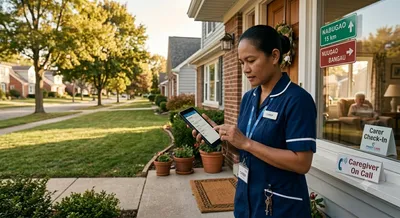
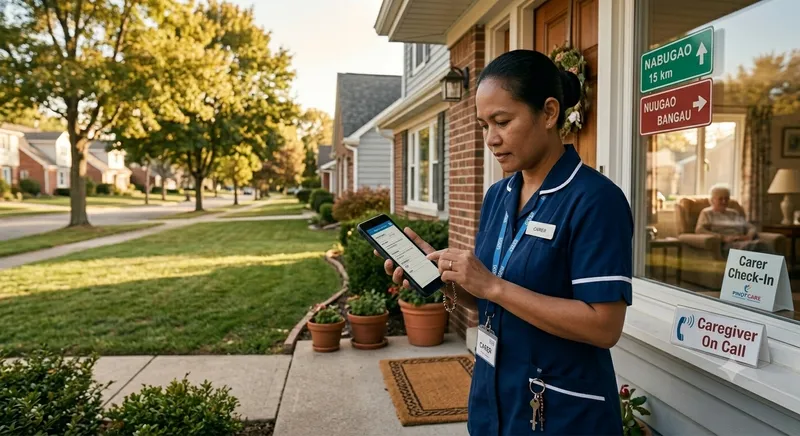
GPS-verified clock-in addresses timestamp mismatches directly. When a caregiver clocks in through a GPS-enabled mobile app, the system records the start time, location coordinates, and caregiver identity at that moment. The record is timestamped automatically and tied to the visit in the EVV system before the caregiver begins delivering care.
What gets captured at clock-in
- Service type linked to the participant’s care plan
- Caregiver identity verified through app login
- GPS coordinates confirming the service location
- Start time recorded to the minute
When clock-out mirrors the same process, the EVV record is complete before the caregiver leaves.
2. Why Do High Manual Entry Rates Trigger Medicaid Audits?
Manual entries are retroactive edits logged when a caregiver misses a real-time clock-in. Most states treat a high volume of manual entries as a fraud risk indicator and apply additional scrutiny to claims tied to manually entered visits.
Automated missed clock-in alerts change the outcome. When a scheduled visit start time passes without a clock-in, the system notifies the coordinator immediately. The caregiver can complete the clock-in while the visit is still in progress, keeping the record real-time rather than retroactive.
3. How Does Caregiver Identity Verification Reduce Fraudulent Claim Risk?
Caregiver identity is one of the six data elements CMS requires for every EVV visit record. Systems that verify identity at the point of care tie the claim to a confirmed, named provider for that specific visit.
Authentication methods vary by state requirement:
- Mobile app login with unique caregiver credentials
- Telephony check-in from the participant’s landline
- Biometric verification where state systems support it
States with stricter fraud enforcement require identity confirmation at both clock-in and clock-out. A system that captures identity only at clock-in leaves a gap in the record.
4. What Is Automatic Visit-to-Claim Matching and Why Does It Matter?
Most EVV-related denials occur at the point where the visit record and the claim submission are reconciled. Manual reconciliation means a coordinator is comparing EVV timestamps, billing codes, and service units across two systems by hand. Errors accumulate.
Automatic visit-to-claim matching pulls the confirmed EVV record directly into the billing workflow. Service units billed are calculated from the verified visit duration. The claim is built from the same data the EVV system already captured, with no manual re-entry step.

5. How Does Real-Time Eligibility Verification Prevent Denials Before a Visit Starts?
Participant eligibility can lapse between visits. Authorization periods expire, Medicaid enrollment status changes, or a plan of care isn’t renewed on time. A denial triggered by an eligibility issue isn’t recoverable through resubmission. The visit was delivered to someone who wasn’t covered on that date.
Eligibility verification at the point of scheduling catches lapses before the visit happens. Some systems run eligibility checks automatically when a shift is assigned and flag the visit for coordinator review before the caregiver arrives.
6. What Is an EVV Aggregator and Why Does Direct Integration Reduce Denials?
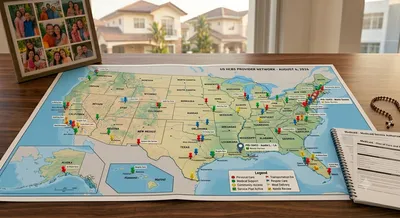
Most states route EVV data through a state-designated aggregator before it can be matched to a claim. Visit data that doesn’t reach the aggregator can’t be matched to a claim, regardless of how accurate the original record was.
Open vs. closed EVV systems
Closed systems are state-mandated platforms all agencies in that state must use. Open systems allow agencies to use their own EVV software, provided it transmits data to the state aggregator in the required format. Direct aggregator integration removes the manual export step where transmission failures most commonly occur.
7. How Do Missed Clock-In Alerts Stop Retroactive Documentation Gaps?
A caregiver who forgets to clock in creates a gap in the visit record. The visit gets delivered but the EVV system has no data. Without an alert, the coordinator finds the gap at end of day or during billing review — well after the visit ended.
Real-time alerts sent within minutes of a missed clock-in give coordinators time to reach the caregiver and complete the clock-in while the visit is still in progress. The record stays real-time and the manual entry risk is avoided.
8. What Does a Pre-Submission EVV Compliance Dashboard Show?
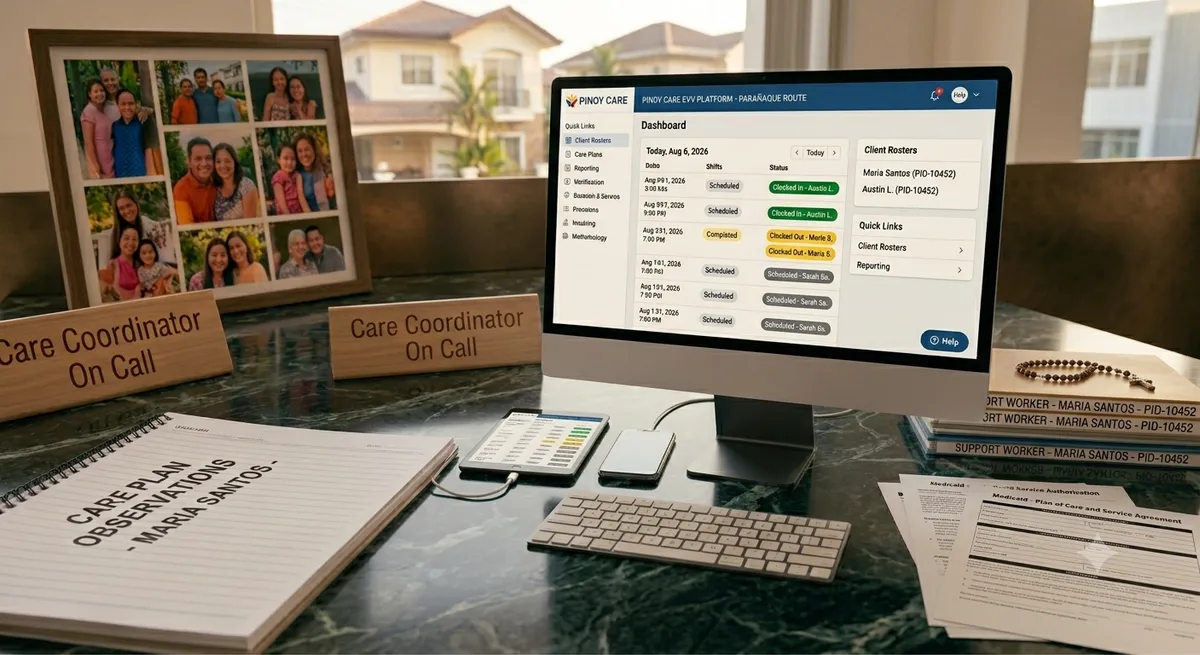
Catching EVV errors after a denial means chasing resubmissions weeks after the visit. A pre-submission compliance dashboard flags incomplete or mismatched visit records before the billing batch goes out.
The dashboard should surface:
- Visit records missing one or more of the six required data elements
- Manual entry rate by caregiver over the billing period
- Visits where EVV data hasn’t been confirmed by the state aggregator
Coordinators working from a compliance dashboard fix errors before they become denials. After submission, the same errors require a resubmission workflow and, in some states, additional supporting documentation.
Frequently Asked Questions
Is EVV required for all Medicaid home care services?
EVV is required for all Medicaid-funded personal care services and home health services that involve an in-home visit. The federal mandate under the 21st Century Cures Act applied to personal care services from January 1, 2020 and to home health services from January 1, 2023. Services delivered in non-home settings or that don’t require a physical visit are generally outside the EVV requirement. State Medicaid agencies have flexibility in how they implement EVV, so the services covered and enforcement timelines vary by state.
What happens if an agency’s EVV compliance rate falls below the state threshold?
Most states require agencies to maintain an 85% or higher EVV compliance rate. Falling below the threshold can result in claim denials on non-compliant visits, increased audit exposure, and in some states, withheld payments until compliance is restored. States also face federal matching fund (FMAP) reductions if their overall EVV compliance falls short of CMS requirements, which creates pressure on states to enforce agency-level compliance tightly.
What is the difference between a soft edit and a hard edit in EVV enforcement?
A soft edit flags an EVV record with a data issue but allows the associated claim to be paid, typically with a warning or a requirement to correct the record within a set timeframe. A hard edit rejects the claim automatically when an EVV record is missing, incomplete, or doesn’t match the claim submission. Most states moved from soft to hard edit enforcement between 2023 and 2025. Under hard-edit rules, there is no grace period for data errors.
Can caregivers use personal phones for Medicaid EVV clock-in?
Most open EVV systems support caregiver clock-in through a mobile app on a personal device. The system requires the caregiver to log in with unique credentials, and GPS verification runs through the device’s location services. Some state Medicaid programs set GPS accuracy thresholds or restrict certain device types. Agencies should confirm device and app requirements with their state Medicaid agency or managed care organization before deploying a personal device approach.
How long do agencies need to retain EVV records for Medicaid compliance?
Retention requirements vary by state. Most state Medicaid programs require agencies to retain EVV data and supporting visit documentation for a minimum of five to seven years. For agencies subject to federal audit, CMS guidelines specify that Medicaid records must be retained for at least six years from the date of service or the date of payment, whichever is later. Confirm the applicable retention period with your state Medicaid agency.
Keep EVV Records Clean Before Claims Go Out
EVV compliance and billing accuracy run on the same data. Agencies that capture clean visit records generate fewer denials and spend less time on resubmissions.
ShiftCare’s EVV software captures all six CMS-required data elements at the point of care and connects visit data directly to the billing workflow, reducing the manual reconciliation step where most claim errors originate. Start your free trial today and give your billing team a system built for hard-edit enforcement.
See it in ShiftCare.
7 days free on Premium. No credit card.