The Thriving Kids program reform shifts early intervention from a service-hours model to an outcomes-focused model. Funding is increasingly tied to demonstrated progress toward child development goals rather than hours delivered. Providers must measure outcomes using standardised assessment tools and report measurable child progress.
What is the Thriving Kids program, and how does it change early intervention funding? The NDIS is reshaping early childhood and disability support services with the Thriving Kids program reform. It’s changing how providers deliver and document early intervention. The reform shifts funding models, introduces new outcome measurement requirements, and demands that providers demonstrate measurable progress in participant development.
Here’s what you need to prepare as a home care and IDD service provider.
Understanding the Thriving Kids Program Reform

The Thriving Kids reform recognises that early intervention for children with disabilities is one of the highest-impact investments the NDIS makes. The reform addresses this by increasing funding, clarifying what effective early intervention looks like, and establishing more rigorous measurement of outcomes.
At its core, the reform shifts from a service-hours model to an outcomes-focused model. Instead of funding determined by “hours of therapy,” funding is increasingly tied to outcomes and progress. A child receiving speech pathology isn’t just “getting 2 hours per week. They’re working toward specific developmental goals with documented progress.
Changes to Early Intervention Funding
There’s an increase in funding available for early intervention, which is good news for the sector and for children who need services. However, funding won’t flow the same way. With the shift toward outcome-focused funding, the amount a provider receives is increasingly tied to evidence of progress toward participant goals.
The reform also encourages shorter, more intensive intervention blocks (8 to 12 weeks of concentrated therapy) rather than ongoing, lower-intensity services. This reflects evidence that specific, goal-focused intervention often produces better outcomes for children with early developmental needs.
New Outcome Measurement Requirements
Providers are mandated to measure outcomes using standardised assessment tools appropriate to each child’s age and needs. At the start of an intervention block, the provider assesses the child’s baseline. They’ll measure progress throughout the intervention and demonstrate how much progress was achieved afterward.
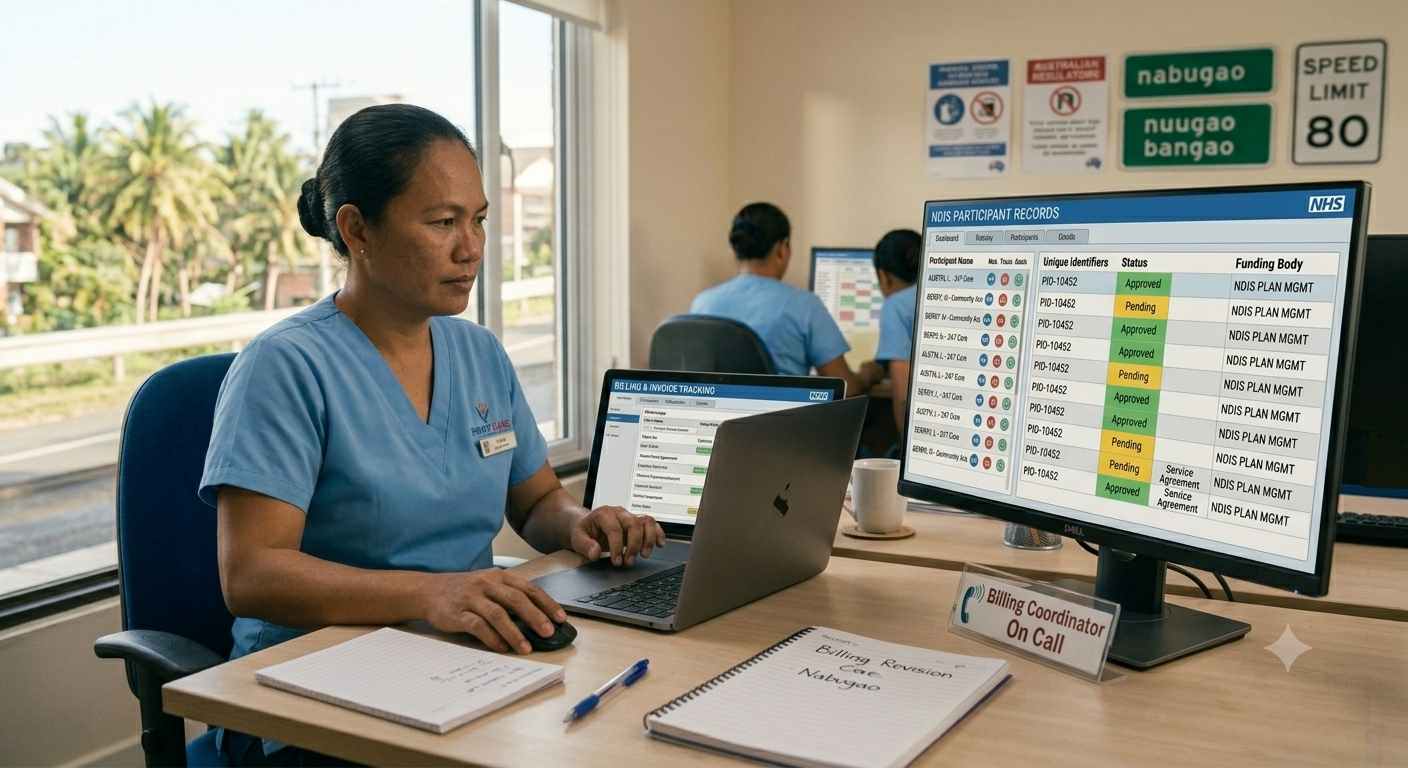
A provider without outcome measurement infrastructure will struggle to operate effectively under the reform. The challenge is embedding measurement tools into routine documentation and integrating the data into reporting systems for the NDIS.
Documentation and Evidence Standards
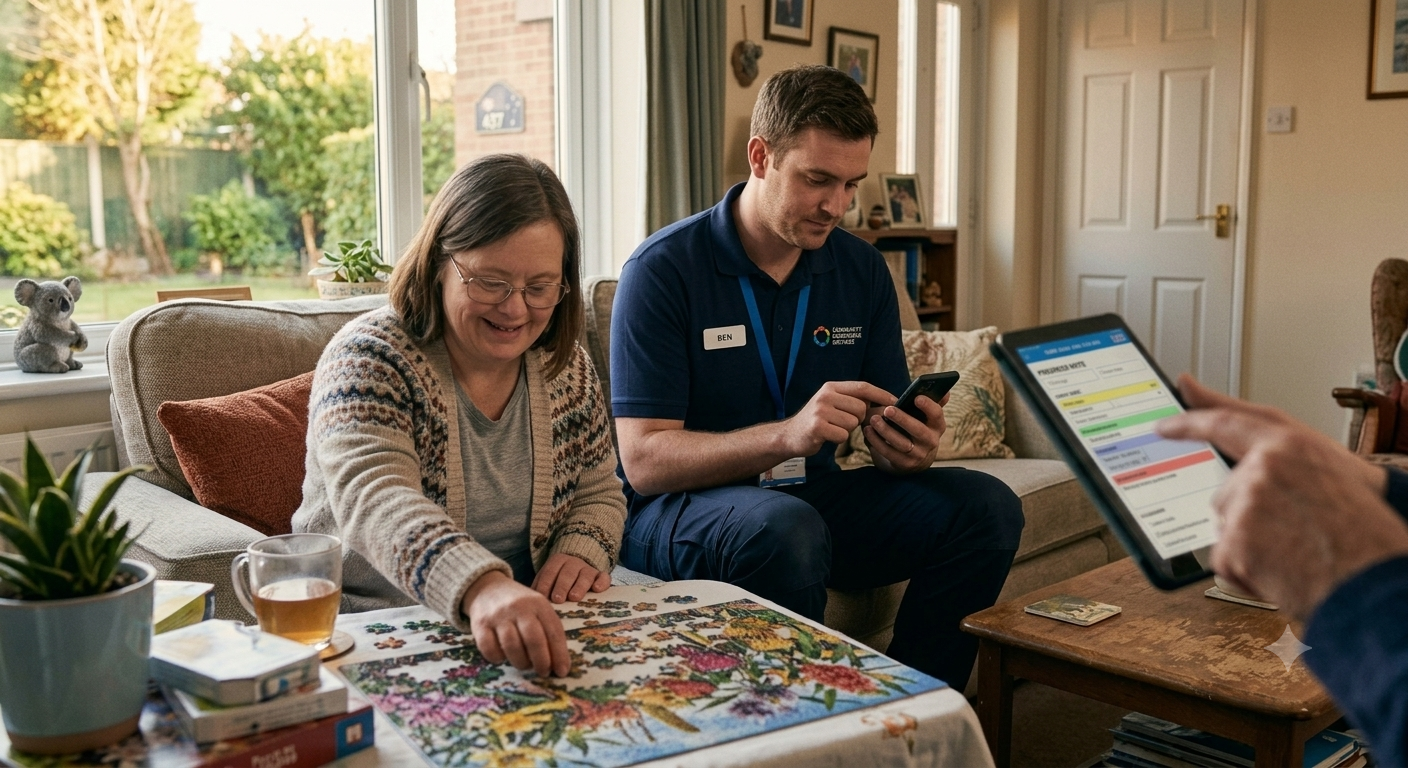
Each child’s early intervention plan needs to clearly articulate developmental goals, specific interventions, timeframes, and outcome measurement approaches. Session notes have moved beyond “attended speech therapy” to documented progress toward goals.
Progress reports are now outcome-focused. Here’s an example of how technical your reports would have to be:
“The child achieved 2 of 3 targeted communication outcomes; vocabulary increased by 15% based on assessment.”
This level of documentation requires care management software that supports structured outcome measurement and generates reports demonstrating outcomes aligned with NDIS standards.
Adapting Your Service Delivery Model

Start by clarifying your assessment and goal-setting process. Next, review your evidence-based practices and identify measurement tools appropriate for your populations. Afterward, establish how you’ll use data to adjust the intervention when a child isn’t progressing as expected.
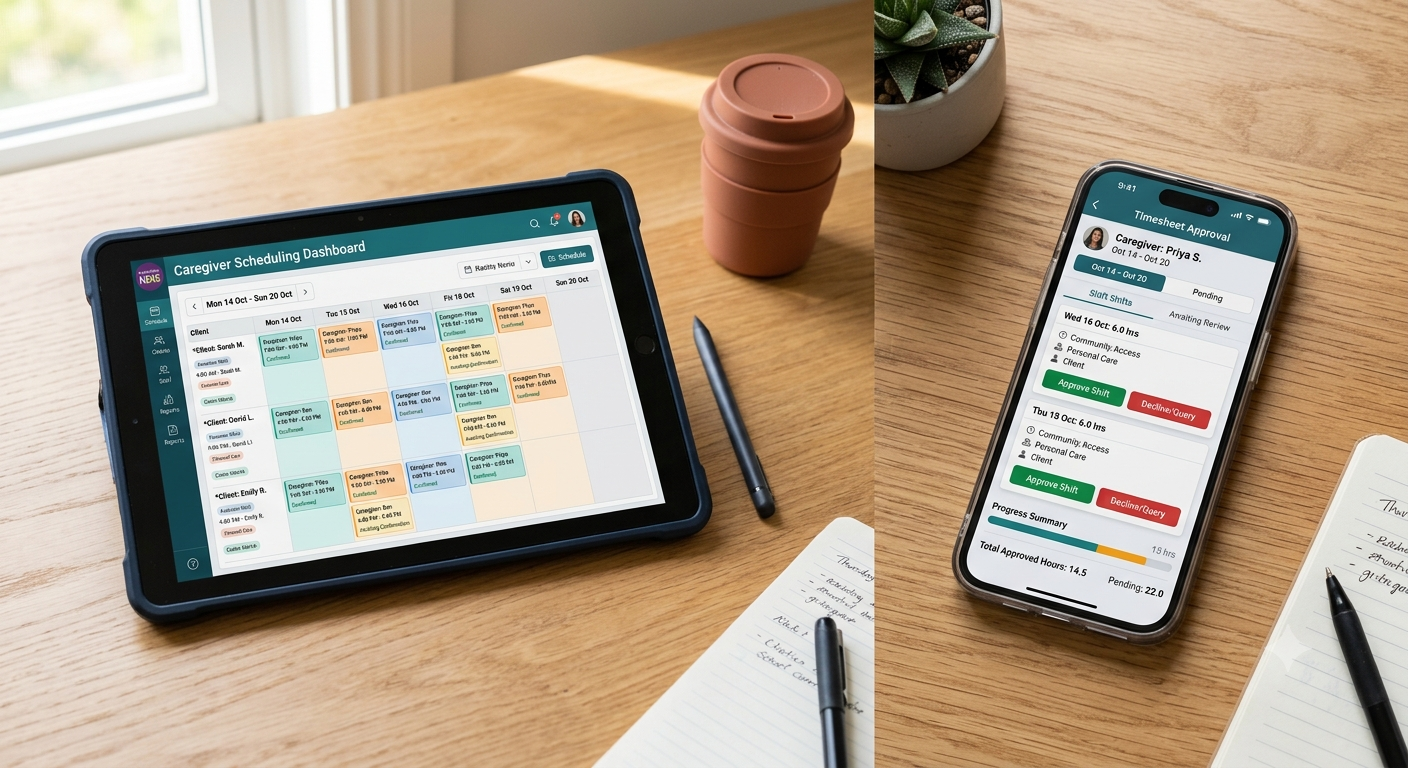
Your documentation system needs an update. Move toward structured documentation that captures goal-relevant information and measurement outcomes. Modern rostering and care management platforms can help with templates that prompt for outcome data, automated progress tracking, and outcome summary reports for NDIS lodgement.
FAQs About the Thriving Kids Program Reform:
When does the Thriving Kids program fully launch, and when do outcome measurement requirements start?
The Thriving Kids program is rolling out through 2026, with full implementation expected by mid-to-late 2026. Outcome measurement requirements are effective now for providers receiving NDIS funding for early intervention. Don’t wait until full launch to begin documenting outcomes.
What standardised assessment tools should I use to measure child progress?
This depends on the child’s age and primary area of need. Speech pathology might use language assessment tools; occupational therapy might use functional outcome measures. Work with your professional team and NDIS contact to identify appropriate, validated tools for your population.
Will outcome measurement add a significant documentation burden?
Initially, yes, but providers who integrate outcome measurement into routine session documentation find that it becomes seamless. The key is using templates and software that prompt for outcome-relevant information at the point of service delivery, not adding assessment as an afterthought.
Lead Your Service Into the Thriving Kids Era With ShiftCare
Providers who prepare appropriately will find that Thriving Kids actually improves their practice. The new guidelines enable providers to focus on child outcomes by providing evidence of what’s working and what’s not.
To eliminate the added administrative burden, however, you need an AI-driven care management system. ShiftCare’s integrated platform captures outcome data at the point of service delivery, tracks progress toward developmental goals, and generates NDIS-compliant progress reports automatically. It turns outcome measurement from documentation burden into operational insight.
Start a free trial today. Explore how integrated scheduling, documentation, and reporting make outcome measurement more seamless.