Unfortunately, several challenges are typically involved in this, many of which can dramatically affect your ability to provide the high level of care and support you want to deliver.
Whether it’s:
- staffing issues,
- difficulties with communication or
- a lack of care management tools to work with,
These common NDIS business challenges can make it difficult to direct your focus to where it needs to be – your clients and stakeholders.
While this can be frustrating, there is good news.
At ShiftCare, we’ve put together a number of key NDIS operational strategies that you can implement to help mitigate these challenges and continue improving your care management system while still ensuring you meet your NDIS compliance obligations.

What are the common barriers to delivering effective care management?
It’s easy to assume that great aged care and disability care management should be straightforward.
In reality, however, it’s not always that simple.
There are many common challenges that NDIS providers and Aged Care organisations often face as part of their care management delivery, including:
Finding the right staff
Hiring and retaining the best staff for the job is never easy with so many skills, training and compliance requirements involved. This can often mean being understaffed and scrambling to allocate resources to the clients who need it most.
Not having the right care management tools
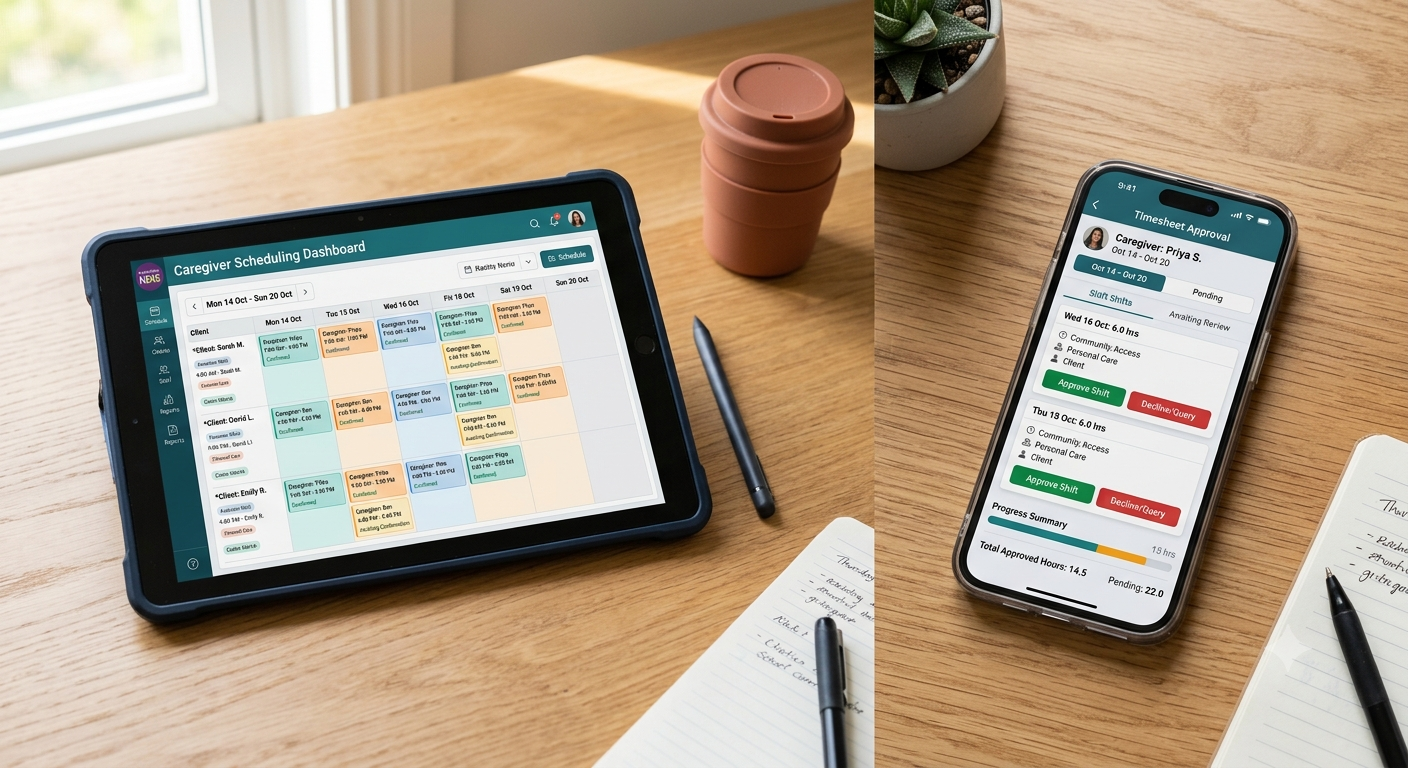
Too many NDIS providers are still using manual care manager software tools like Excel to support their service delivery. However, these systems can dramatically slow down care delivery and make it difficult to keep up with client needs.
Coordinating with multiple service providers
Many NDIS participants are working with several providers to get the support they need. However, this can make communication and sharing data between disability care software difficult, especially if you’re still using manual care management tools to deliver support.
NDIS Administration burdens
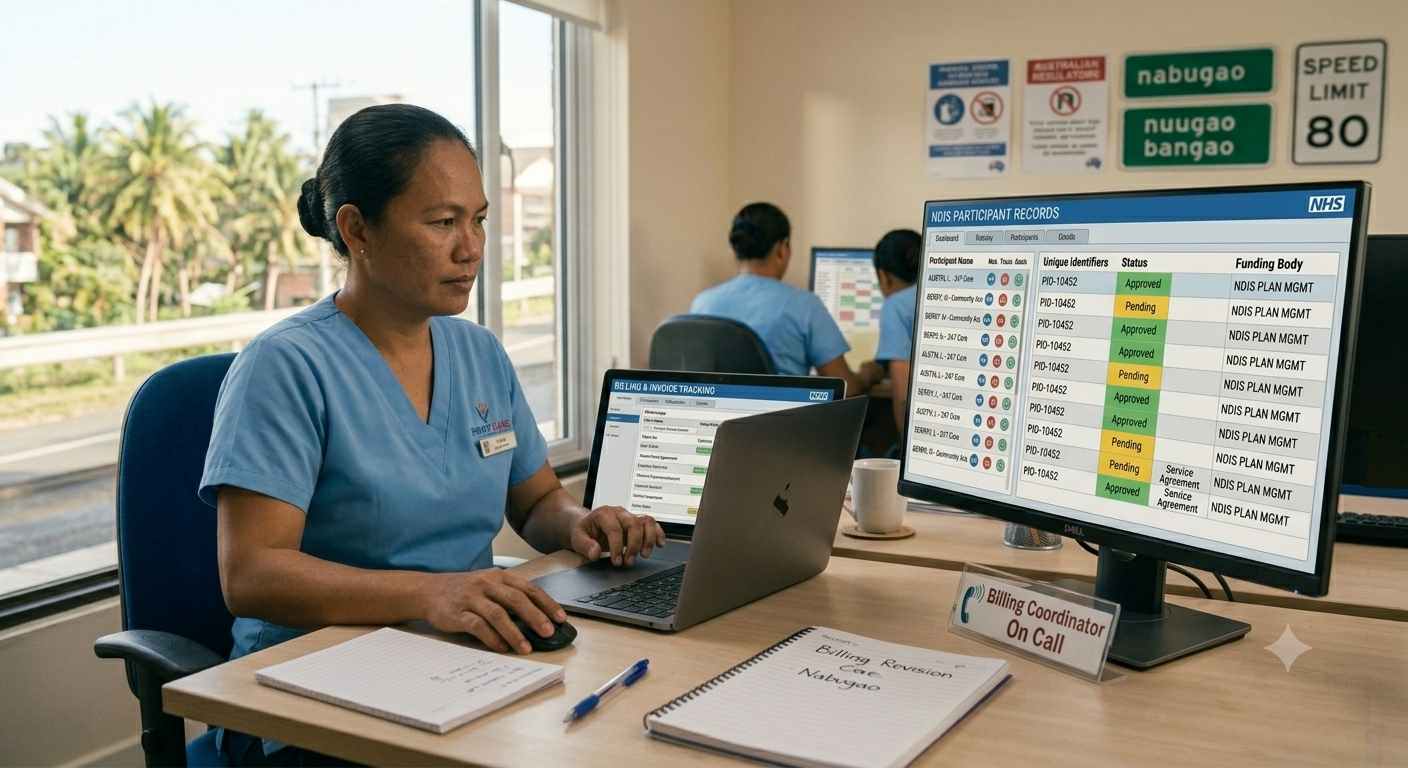
There is a large amount of paperwork, compliance and reporting obligations as part of the NDIS that can easily distract from supporting your clients’ needs. Without the right care manager software to help with this, it can be difficult to continue providing the best service possible.
Now we understand the challenges, let’s look at how to navigate them.

5 highly effective strategies for better care management
Delivering NDIS care might not always be easy, but these top tips will go a long way to helping provide a better care service to your clients:
- Strengthen the hiring and training process
A solid HR function and hiring process is key to finding – and keeping – the people with the right skills and cultural values to fit your team.
More importantly, you also have to train your staff well to ensure they are not only skilled in care delivery but also in understanding how to work as part of your team and with your clients.
- Streamline communication channels
The best disability care software prioritises clear and constant communication – not only between you and your team, but with participants, family members and other providers as well. Take the time to set up reliable and user-friendly communication channels that all parties have access to when they need information or support.
- Create more personalised disability care plans
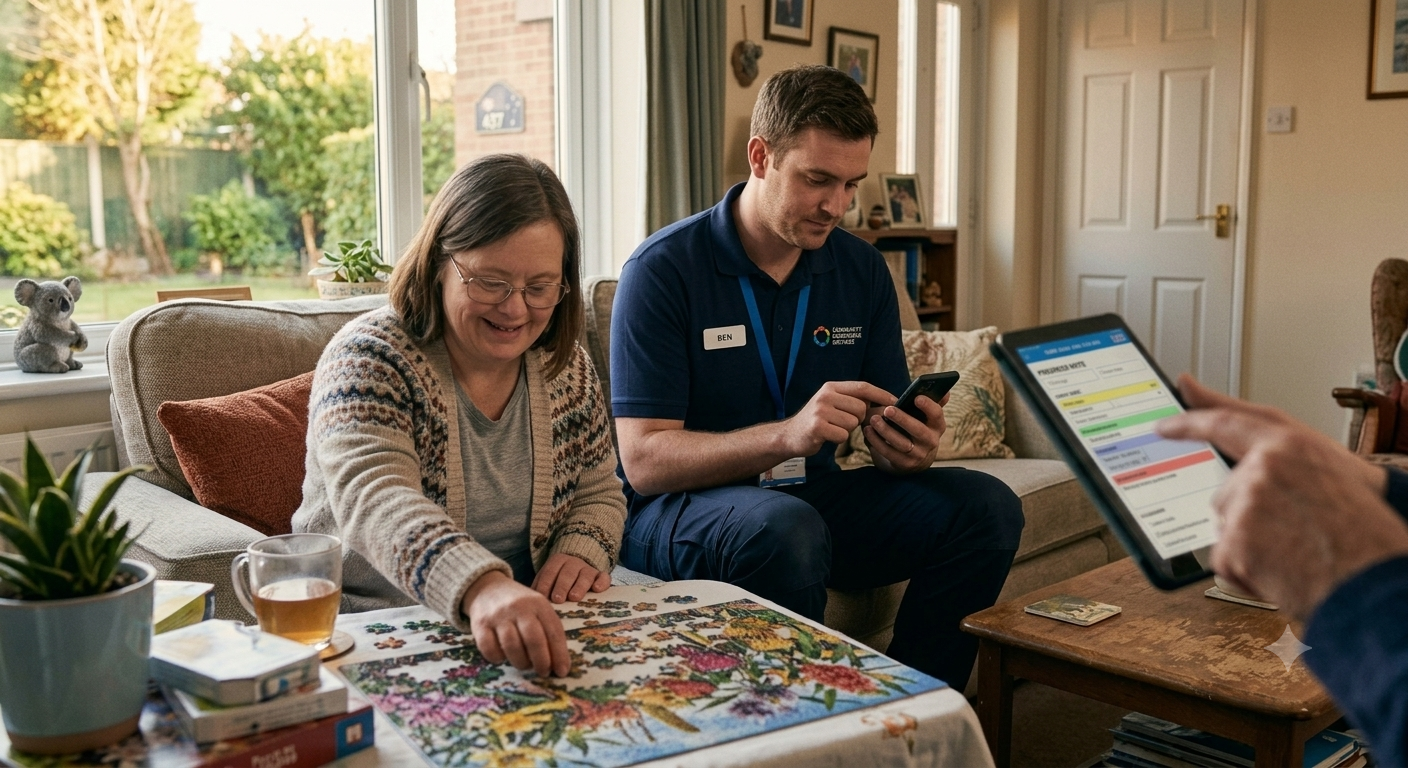
This may sound redundant, but effective aged care and disability care management involves listening to what the participant really needs and building a personalised disability care plan to support those needs.
While it may take more time and resources to put together, it will ultimately lead to a much better experience for your clients and a much smoother care service moving forward.
- Track goals and progress regularly
Building a tailored disability care plan is one thing, but tracking the client’s progress over time is the best way to ensure your care delivery is helping your client achieve their goals.
Take the time to build regular reports that provide a clear overview of a participant’s progress over time that can then be shared with family and other providers and even used to adjust their care plan as they go.
- Use a care management software solution
If building NDIS reports and writing NDIS progress notes just sounds like another admin task you don’t have time for, then this final tip should help.
The best way to ensure you have the time and resources to provide the highest level of care and support to your clients is with the help of care management software like ShiftCare.
How ShiftCare enables these strategies for your NDIS business
ShiftCare combines the strategies above with a range of care management tools and features to help enhance your service delivery.
As a purpose-built disability care software for your NDIS business, ShiftCare places your NDIS participants at the centre of the puzzle and brings all the pieces together around them to help provide a great care experience.
With each of these NDIS operations strategies built directly into our care manager software, you can have full confidence in successfully navigating the barriers to effective aged and disability care management.
If you want your NDIS business to be able to provide the best client experience possible, you need a care management system like ShiftCare.

ShiftCare is the key to providing better care management for your NDIS clients
ShiftCare is an easy-to-use care management software designed to streamline day-to-day operations and reduce administration burdens for NDIS providers, as well as Aged Care and Disability Support services.
Boasting powerful and intuitive features, ShiftCare offers key solutions to improving care management, rostering, HR, invoicing, NDIS compliance and so much more, enabling you and your team to focus on delivering a higher standard of personalised client care.
So, if you’re looking for the right care management system to help streamline your NDIS business, ShiftCare has got you covered.
Book a demo or get in touch with our team today to discover how ShiftCare can revolutionise your care management and give you back more time for what truly matters.