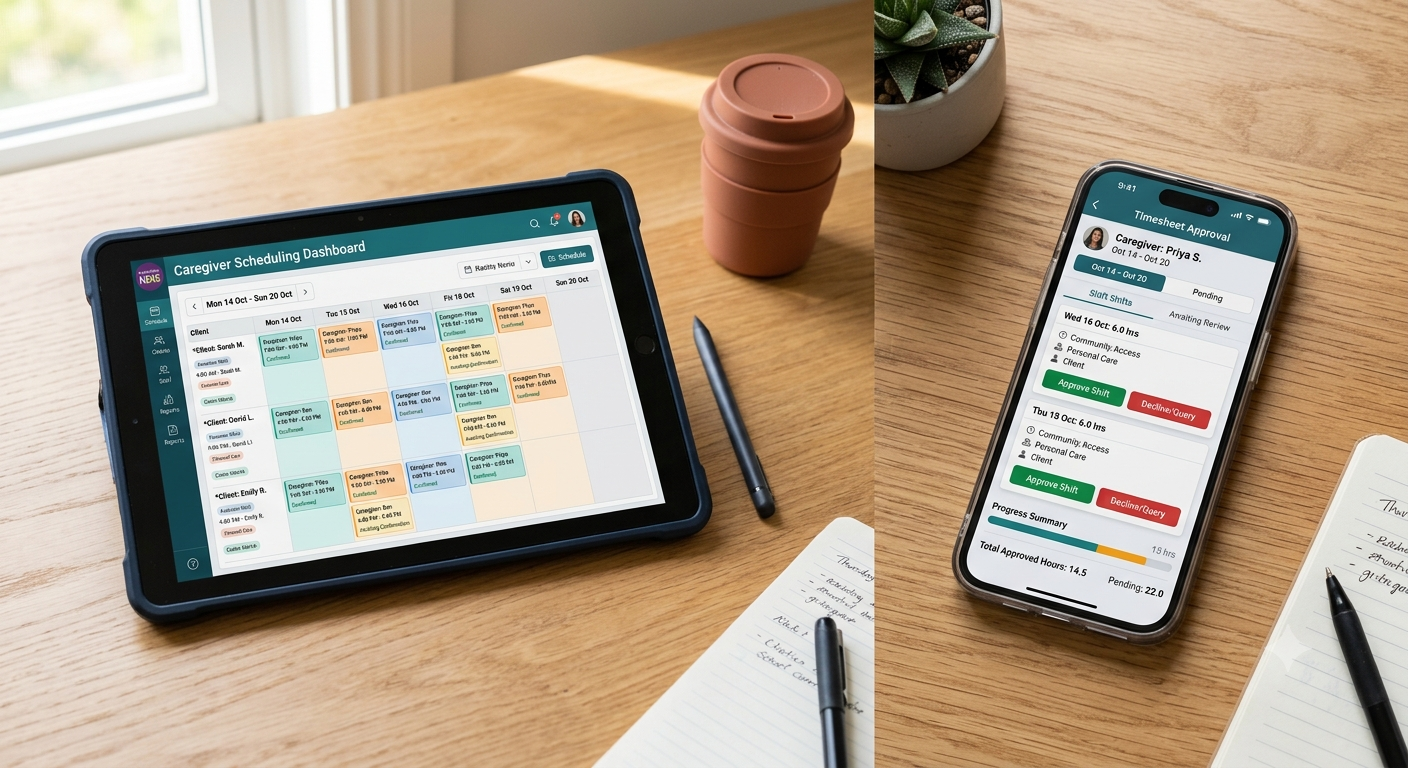
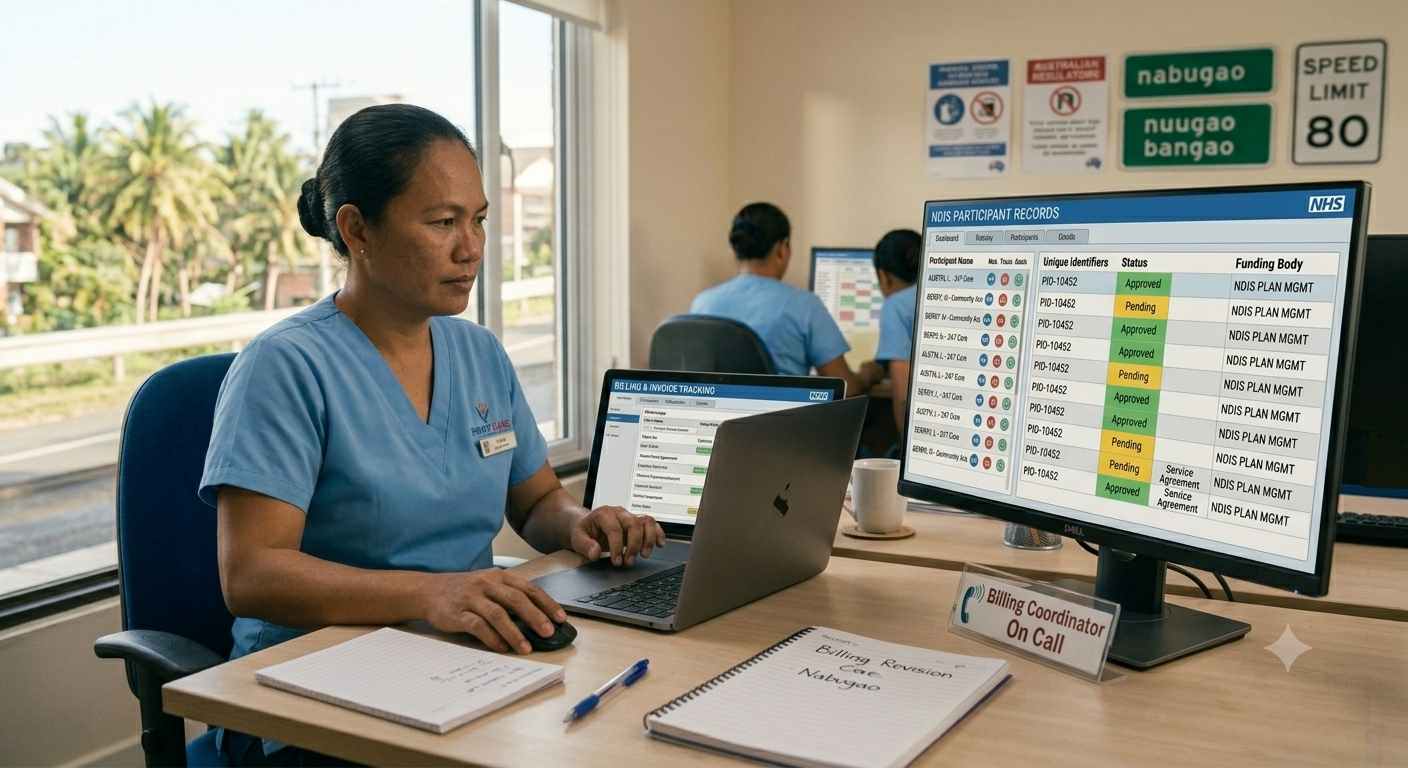
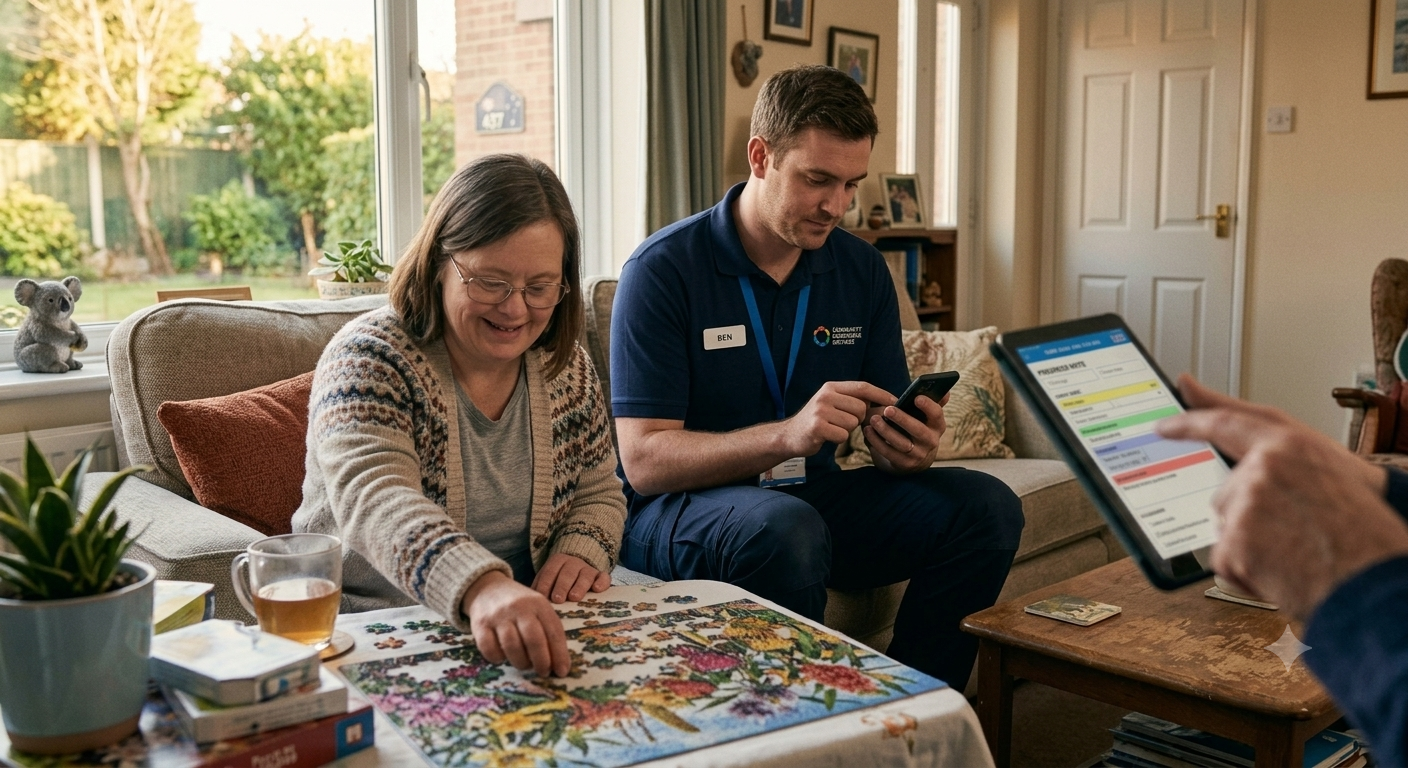
Many providers start with different software solutions for various tasks, believing that using multiple systems is the best way to manage their operations. However, the reality is that relying on multiple disconnected platforms comes with hidden costs that can impact efficiency, compliance, and financial performance.
The Problems With Using Multiple Systems
When care businesses grow, they often adopt various software tools to handle different functions. One platform may be used for rostering, another for invoicing, and a separate system for compliance. While this approach may seem effective at first, it can quickly lead to inefficiencies and increased operational costs.
One of the biggest challenges is wasted time and reduced productivity. Care providers and administrative staff often find themselves toggling between multiple systems to complete routine tasks. Updating a client’s care plan in one system and then manually transferring that data into a billing platform can waste valuable time. This duplication of work increases the risk of errors and delays, ultimately reducing productivity.
Data discrepancies and errors are also a significant issue. When information is spread across different platforms, inconsistent client records, incorrect billing information, and scheduling conflicts can arise. These errors lead to compliance violations, delayed payments, and frustrated caregivers. Additionally, the care industry is heavily regulated, and ensuring compliance with NDIS guidelines and other healthcare standards is critical. Using multiple systems increases the risk of missing key compliance requirements, as records may not be accurately maintained or easily accessible during audits.
Financially, multiple systems can quickly become a burden. Each software system comes with its own subscription fee, maintenance costs, and potential integration expenses. Over time, these costs add up, making it more expensive to operate than investing in a single, all-in-one care management software. Moreover, using different platforms can create frustration for caregivers and administrative staff who must learn different interfaces and processes. This can lead to inefficiencies, increased training costs, and lower staff satisfaction.
Another hidden cost is the impact on client satisfaction. With multiple systems in place, communication between caregivers, clients, and administrative staff can become fragmented. Clients may experience delays in service coordination, and caregivers may struggle to access up-to-date client information. An integrated care management system like ShiftCare ensures a smoother experience for all stakeholders by providing real-time updates, reducing miscommunication, and improving overall service quality.
ShiftCare: The Smarter Solution
Consolidating your business operations into a single care management software like ShiftCare can eliminate these hidden costs and inefficiencies. ShiftCare seamlessly integrates rostering, client records, invoicing, and compliance tracking into one easy-to-use platform. Care providers can access real-time updates, reducing rostering conflicts and ensuring that client needs are met efficiently.
ShiftCare’s built-in financial tools automate invoicing, reducing manual errors and ensuring timely payments. By connecting service delivery directly to billing, providers can improve cash flow and reduce administrative overhead. Additionally, a centralised care management system ensures that all records, from progress notes to incident reports, are securely stored and easily accessible for audits. Compliance tracking features help providers stay up to date with industry regulations, reducing the risk of penalties.
With an all-in-one solution, providers can also leverage advanced reporting and analytics to make data-driven decisions. ShiftCare’s dashboard feature allow businesses to track performance metrics, identify inefficiencies, and improve service delivery. Instead of spending time manually compiling data from different systems, providers can access real-time insights at the click of a button.
By eliminating the need for multiple software subscriptions, care businesses can significantly reduce expenses. An all-in-one solution streamlines workflows, allowing staff to focus on delivering quality care rather than dealing with administrative complexities. The user-friendly interface also simplifies daily tasks for caregivers and administrative staff, leading to higher job satisfaction, lower staff turnover, and a more efficient care delivery process.
Make the Switch to a Smarter Solution
The hidden costs of using multiple systems in your care business can be substantial, affecting productivity, compliance, and financial performance. Investing in a comprehensive care management software like ShiftCare can help eliminate these challenges, allowing you to focus on what truly matters—providing quality care.
By choosing ShiftCare, you’re investing in an efficient, all-in-one solution that reduces complexity and ensures seamless coordination across all aspects of your business.
Are you ready to simplify your care business operations? Book a demo with ShiftCare today and see how our all-in-one solution can transform the way you manage care delivery.