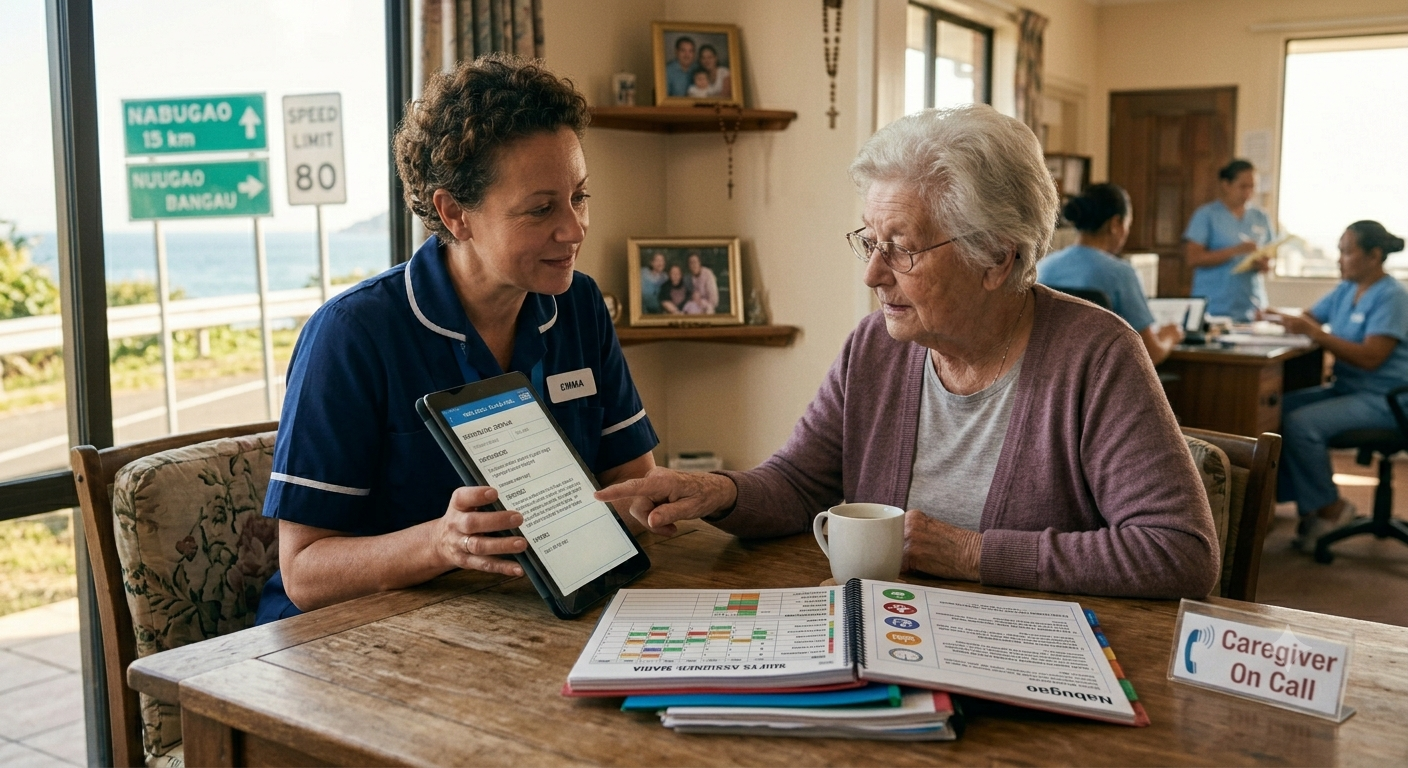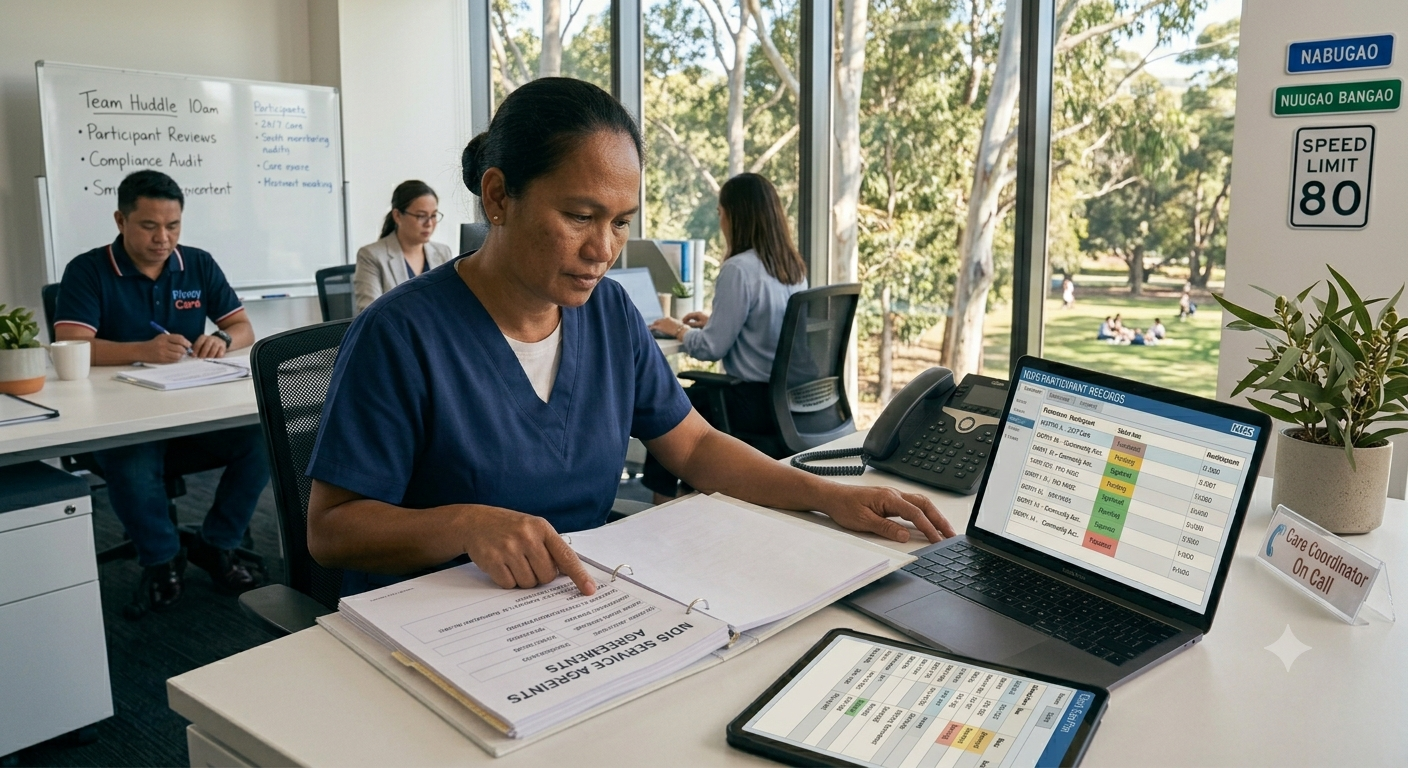
The Serious Incident Response Scheme now applies to all registered aged care providers, including Support at Home. Eight incident types, a 24-hour window for Priority 1 reports, and a 60-day final report deadline create compliance obligations that manual systems weren’t built to sustain. Here’s how providers can meet them consistently.
SIRS expanded to Support at Home on 1 November 2025, extending the same framework that applies to residential care to every registered aged care provider. Eight incident types require classification. Priority 1 reports must reach the Aged Care Quality and Safety Commission within 24 hours of the provider becoming aware, and investigation reports must be finalised within 60 days. Manual systems built on shared folders and retrospective notes were not designed for that compliance rhythm.
Five operational practices determine whether a provider’s incident management holds up under ACQSC scrutiny. A gap in any one of them produces the same audit finding: incidents managed reactively rather than systematically.
What SIRS Requires from Every Aged Care Provider
The Serious Incident Response Scheme is a national framework requiring aged care providers to identify, manage, and report serious incidents. Providers must have a formal incident management system in place, not just a reporting process activated after something goes wrong.
Eight categories of incident are reportable to the ACQSC:
- Unreasonable use of force
- Unlawful sexual contact or inappropriate sexual conduct
- Psychological or emotional abuse
- Unexpected death
- Stealing or financial coercion by anyone
- Neglect
- Inappropriate use of restrictive practices
- Missing resident or client
Priority 1 incidents, those involving serious harm or an immediate risk of harm, must be notified within 24 hours of the provider becoming aware. Priority 2 incidents must be notified within 30 calendar days. A final investigation report is due within 60 days of the initial notification. The clock starts at awareness, not at the end of the investigation.
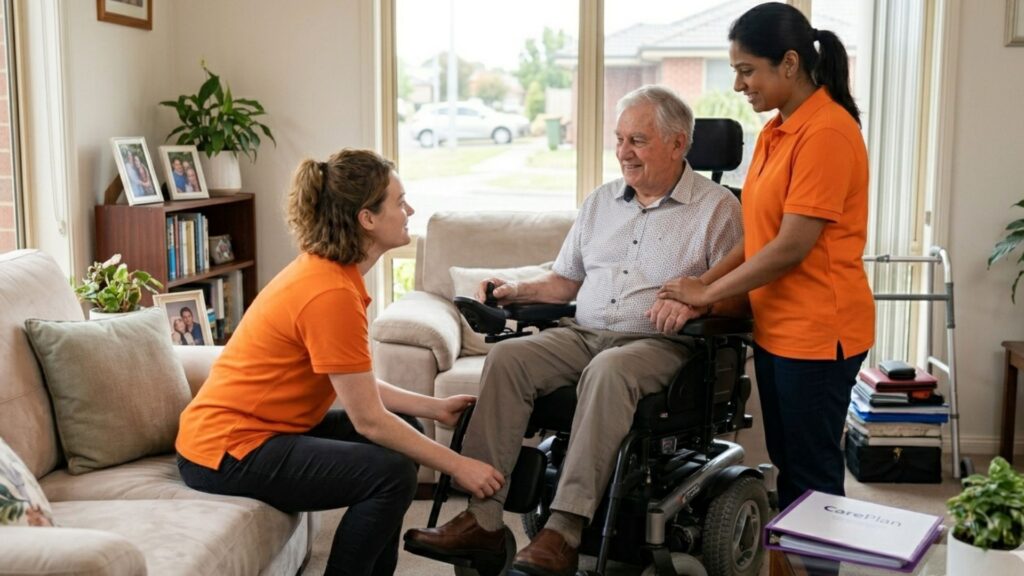
Five Best Practices for Aged Care Incident Management
Knowing the SIRS timeframes is the starting point. Building a system that meets them consistently, across every care setting, every shift, and every staff member, is the operational challenge.
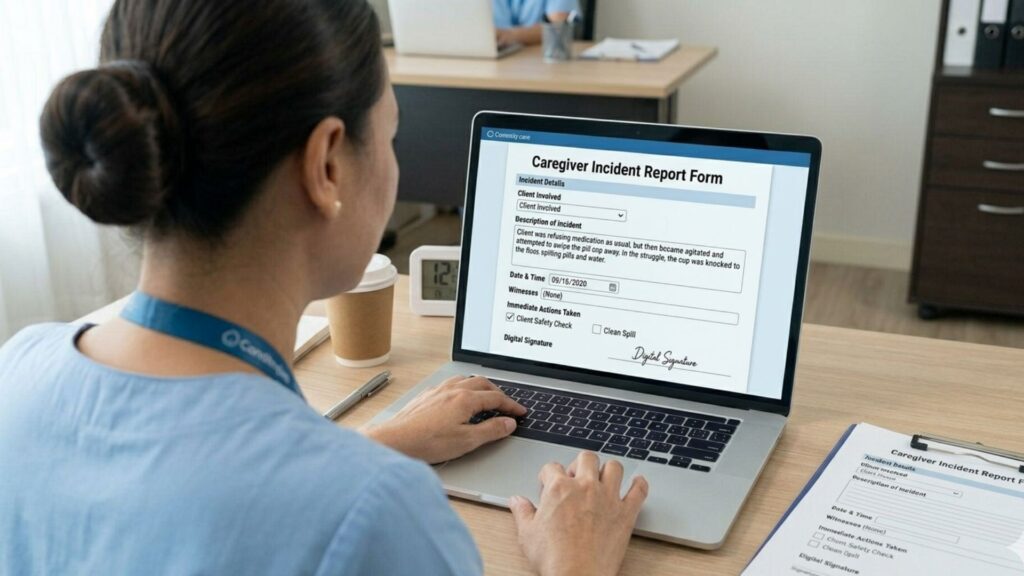
1. Capture Incidents at the Point of Care, Not From Memory
Support workers recalling incidents hours later produce incomplete records. Details fade: the exact sequence of events, whether another resident or staff member was present, what immediate action was taken, the precise time. Under SIRS, documentation must be accurate and timing clear, because auditors reviewing a Priority 1 incident will scrutinise the gap between the event and the notification.
Progress notes captured at the point of care on a mobile device close that gap. Workers record what happened, when, and what they did immediately, not at the end of a shift when five other calls have intervened. Accurate timestamps produced at the time of the event hold up. Timestamps added retrospectively rarely do.
2. Classify Every Incident Before Deciding Whether to Report
Not every adverse event meets a SIRS threshold. A resident fall may or may not constitute neglect or unreasonable use of force depending on the circumstances. The classification decision, and the documented rationale behind it, matters as much as the report itself.
Providers whose classification process is verbal or informal carry a specific audit risk: no record of how the decision was made. An incident management system that routes every event through a structured classification step creates a documented decision trail, regardless of outcome. Classification should not sit with one person. A registered nurse or senior coordinator reviewing each initial record, within a defined timeframe, prevents under-reporting and inconsistent standards across shifts and sites.
3. Meet the 24-Hour Priority 1 Window Without Exception
The 24-hour notification window is a hard deadline, but the ACQSC does not require a complete investigation report at the 24-hour mark. You can send provisional reports. Providers lose time not because the standard is unclear, but because the internal escalation chain is not built to move fast enough.
A support worker identifies a potential Priority 1 event. A shift supervisor must be notified. A senior manager confirms the classification and submits the report. That sequence needs to happen within hours. Automatic alerts triggered when an event is logged as Priority 1 in the incident management system ensure the right people are notified immediately, without relying on verbal handover or emails that may not be read until the following morning.
4. Document Investigation Outcomes and Corrective Actions to Closure
Logging an incident and closing an investigation are two different milestones. Providers that treat incident entry as the endpoint leave themselves exposed when the ACQSC asks for investigation findings, corrective actions implemented, and evidence those actions were completed.
The 60-day final report requires substance. Auditors reviewing the SIRS documentation expect to see what evidence the provider gathered, what the investigation found, and what corrective action the NDIA has enforced. Corrective actions documented as they are implemented, not compiled at the end of the investigation window, produce the kind of audit trail that reflects a functioning system rather than a compliance exercise.
5. Use Incident Data to Identify Risk Before the Next Event
A single incident report surfaces one event. Pattern analysis across a resident’s care history, or across a facility’s incident log, surfaces systemic risk before it produces the next reportable event.
What providers should track: falls clustered by time of day or shift, the same resident appearing across multiple reports within a short period, and changes in behaviour noted in progress notes that preceded a serious incident.
The ACQSC expects proactive risk management, not only responsive documentation after harm has occurred. Care signal monitoring that analyses patterns across a resident’s care history flags shifts in behaviour, health, or incident frequency for the care team to review. The system surfaces the signal. Care teams identify the risk and act before the next event.
Frequently Asked Questions
What is SIRS in aged care?
The Serious Incident Response Scheme (SIRS) is a national framework requiring registered aged care providers to identify, manage, and report serious incidents involving residents and clients. SIRS covers eight categories of reportable incident and requires providers to maintain a formal incident management system. The scheme applies to residential aged care and, since 1 November 2025, to Support at Home providers.
Which incidents are reportable under SIRS?
Eight incident types are reportable under SIRS: unreasonable use of force, unlawful sexual contact or inappropriate sexual conduct, psychological or emotional abuse, unexpected death, stealing or financial coercion by anyone, neglect, inappropriate use of restrictive practices, and missing resident or client. Providers must classify every adverse event against these categories and document the classification decision.
What is the difference between Priority 1 and Priority 2 incidents under SIRS?
Priority 1 incidents involve serious harm or an immediate risk of harm to a resident or client. You must report them to the ACQSC within 24 hours of the provider becoming aware. Priority 2 incidents are serious but do not require immediate reporting; notifications are due within 30 calendar days. Both require a final investigation report within 60 days of the initial notification.
What happens if a provider misses the SIRS reporting deadline?
Failure to meet SIRS notification timeframes can result in regulatory action by the ACQSC, including compliance notices, sanctions, and public reporting of enforcement outcomes. The ACQSC’s enforcement powers expanded in May 2026 to include public reporting of investigations. Providers should treat the 24-hour Priority 1 window as a hard operational requirement with a functioning internal escalation chain behind it.
Stop Finding Incident Patterns After the ACQSC Does
SIRS compliance requires more than submitting reports on time. The ACQSC expects providers to demonstrate a system that identifies, manages, and learns from incidents continuously, not one assembled ahead of an audit. Providers managing incident obligations across email threads, shared drives, and end-of-shift verbal handover build a compliance gap into every week.
ShiftCare’s aged care software connects incident capture, classification, investigation tracking, document management, and care signal monitoring in one system.
Start your free trial today. Let’s get your SIRS documentation audit-ready before the next ACQSC review arrives.