
With the Support at Home Program set to replace the Home Care Packages (HCP) and Short-Term Restorative Care (STRC) programs from 1 November 2025, Aged Care providers around Australia are currently preparing for a significant shift in the way they deliver care to and interact with their clients.
Recently, we discussed several key changes that providers, participants and their families can expect and need to be aware of before this transition takes effect.
Today, we wanted to take it one step further by offering a few aged care readiness tips that you can use to help you understand how to prepare for Support at Home in your business.
Think of this as a checklist of Support at Home tools, outlining exactly what aged care providers need to do to future-proof their operations and aged care software so they can continue to deliver high-quality care to older people in Australia.
Ready? Let’s dive in.
1. Audit your current care plans and rosters
Under the Support at Home Program, care plans are set to become far more goal-oriented and structured around specific services than they previously have been.
In preparing for Support at Home, this may mean new assessments will need to be carried out in some cases to help bring existing care plans and funding into line, not only with the needs of the participant, but also with the new Support at Home services list and any new regulations set out in the Aged Care Act 2025.
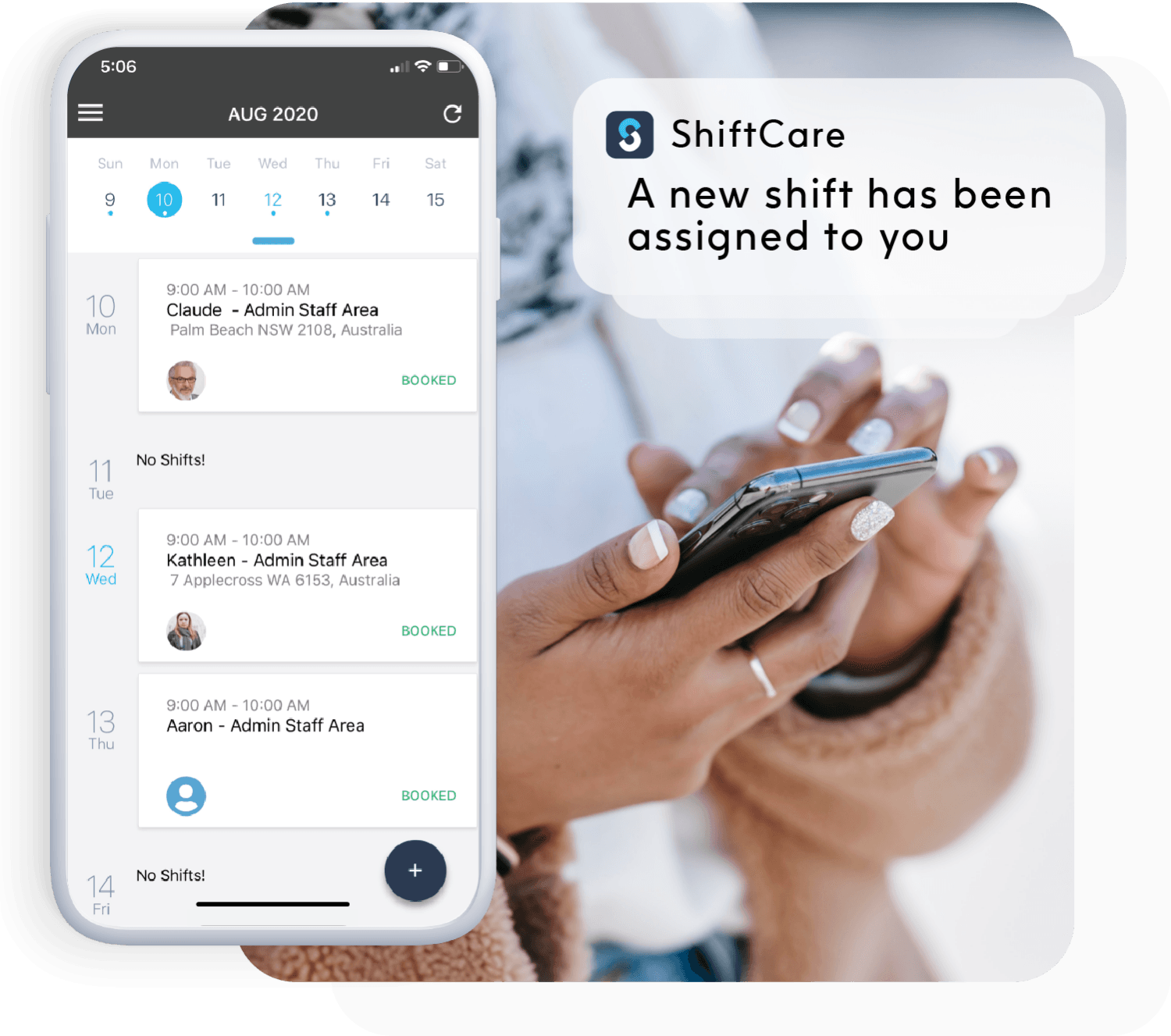
As part of this, rostering and resource management will also have to be reviewed to ensure that available care staff are trained and capable of fulfilling the specific services required by each participant.
2. Update your aged care software and services with new billing and item codes

With the Support at Home Program, all aged care services are set to be standardised as part of a single pre-defined list.
Aged care funding is also set to move from annual to quarterly budgeting for each participant, and they will now have the ability to roll over a portion of unused funds from one quarter to the next.
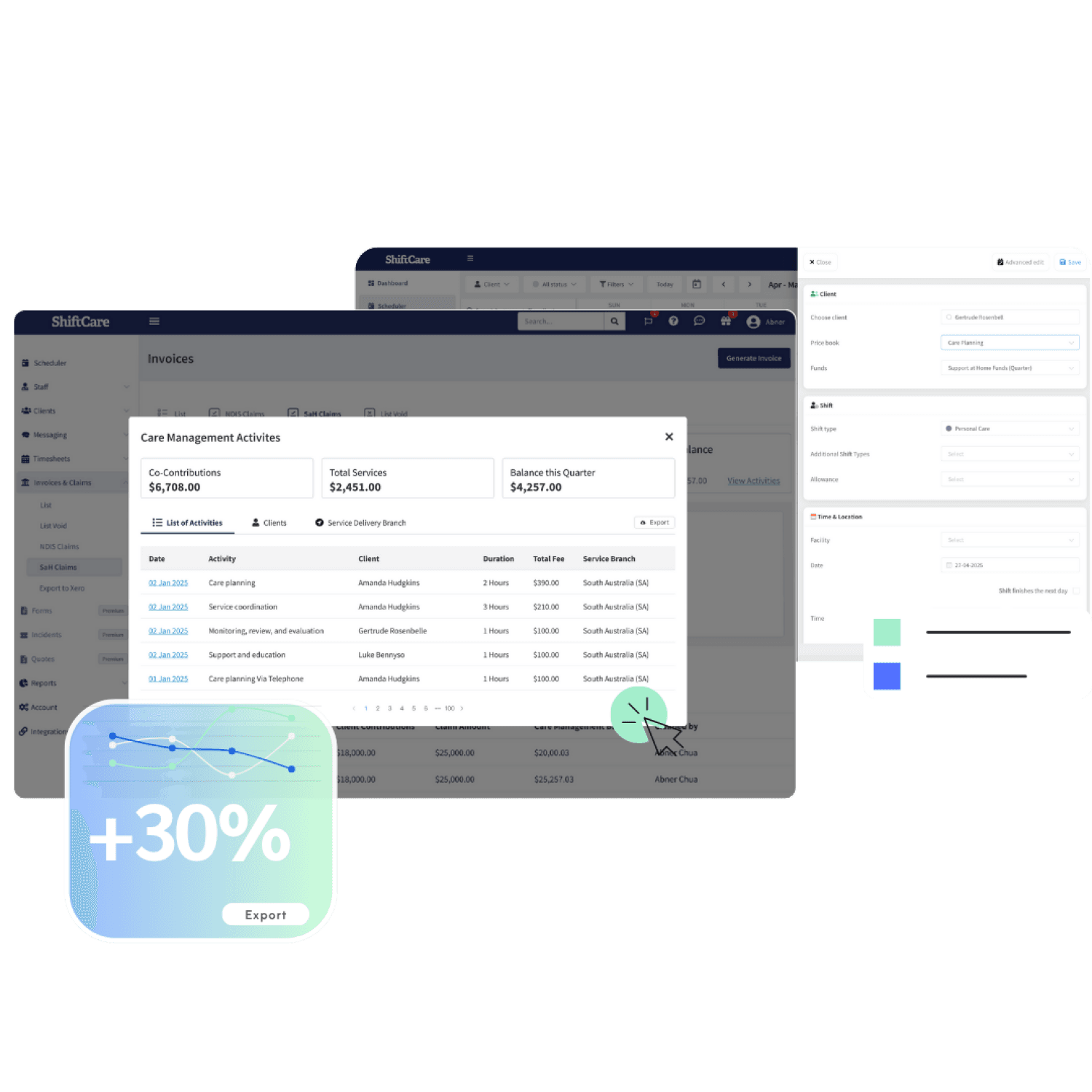
For providers, this means you’ll have to update your own service list in line with the new item codes. You’ll also have to ensure that your budgeting and invoicing workflows are updated to reflect the new service list, as well as the switch from annual to quarterly funding.
3. Ensure your staff are adequately trained for Support at Home

The introduction of the Support at Home Program came about after the Royal Commission into Aged Care Quality and Safety handed down its findings. As part of this, several regulatory changes have been made to the way that aged care providers must operate within Australia.
For some, this may mean having to retrain staff in line with these new guidelines and care delivery models to ensure that all services being provided are fully compliant.
This training could include anything from the way that care delivery is approached to the way documentation and reporting are filled out and stored.
4. Update your compliance documentation in line with new standards

Just as your staff may need additional training to help with preparing for Support at Home Program standards, it’s equally important to ensure that all your compliance documentation continues to meet the new regulations as well.
This is one of our most important aged care readiness tips, and can include everything from reviewing new and existing care plans to the way you collect and store client details, fill out progress notes, and maintain budgeting, invoicing and funding records.
Essentially, it’s about making sure that you’re audit-ready in line with Support at Home come November 2025.
5. Integrate Support at Home pricing into your workflow
As we know, the introduction of the Support at Home Program brings with it a raft of changes , and one of the most notable of these is the new pricing structures for all aged care services. Critically, this includes new pricing caps that have been set to help make accessing these services more equitable for all participants.
For you, this means you’ll have to take the time to integrate these pricing changes into your budgeting and invoicing software before the program begins on 1 November 2025.
Of course, if you’re still doing all your budgeting and invoicing manually, or you’re struggling to find the right Support at Home tools to work for you, ShiftCare can help.
ShiftCare combines flexibility with functionality to make implementing these aged care readiness tips a breeze
ShiftCare is a powerful and intuitive care management platform that has been designed to easily adapt to regular changes both within your business and the wider industry.
Boasting advanced features including AI-powered rostering and staff management, smart compliance management, simplified budgeting and invoicing workflows, as well as several key care management and communication tools, ShiftCare gives you back more time for what truly matters.
This makes our aged care software one of the best Support at Home tools as we head towards the future of aged care in Australia.

Discover how ShiftCare can help you with preparing for Support at Home today
ShiftCare is an easy-to-use care management platform designed to streamline day-to-day operations and reduce administration burdens for NDIS providers, as well as Aged Care and Disability Support services.
Boasting powerful and intuitive features, ShiftCare offers key solutions to improving care management, rostering, HR, invoicing, NDIS compliance and so much more, enabling you and your team to focus on delivering a higher standard of personalised client care.
So, if you’re looking for the best aged care software to help you navigate the new Support at Home Program, ShiftCare has got you covered.
Book a demo or get in touch with our team today to discover how ShiftCare can revolutionise your care management and give you back more time for what truly matters.