From 1 July 2025, the Australian Government’s Support at Home program replaces Home Care Packages. Note that this is not a minor update. It’s a complete shift in how home care providers register, price care, and manage client relationships. If your organisation has not started preparing for the Support at Home program, now is the moment to act.
The stakes are real. Providers who miss the re-registration window or fail to align their systems with new requirements risk losing clients and breaching compliance obligations. The transition affects everything from your business registration to how you bill and communicate with clients. But the good news is that the transition is manageable if you tackle it step by step: reclassifying client needs, re-registering under the new program, developing transparent pricing, integrating your systems, and training your team.
Step 1: Understand the Eight Support Categories and Reclassify Your Client Needs

Support at Home organises care into eight distinct support categories: assistance with daily personal activities, community and social participation, transport, assistance with self-care, home maintenance and modification, support coordination, assistive technology, and specialised support. Your existing clients may have been funded under Home Care Packages, which used a different framework. You will need to review each client’s current care plan and reclassify their needs against these eight categories.
This reclassification is not administrative busy work. It directly affects how you price care and how clients understand what they are paying for. Begin by auditing your largest client groups. Identify which categories apply most frequently, then work through smaller cohorts. Document your findings so you can see patterns and identify any service gaps in your current offering. This groundwork makes the next steps faster.
Step 2: Re-Register Under the Support at Home Program and Update Your Business Details
All home care providers must re-register under the Support at Home framework. This requires submitting updated organisational details, confirming your approved support categories, and declaring any changes to your governance, insurance, or operational structure since your last Home Care Packages registration.
You will need your current ABN, details of your management committee or board, proof of insurance, and confirmation of any worker screening clearances. The process typically takes 2 to 3 weeks if your documentation is complete. If it is incomplete, the Department may request further information, delaying your approval. Start now, even if you think your details are already current. Check the Department of Health’s Support at Home information for updated requirements.
Step 3: Develop Transparent Pricing and Budget Communication for Clients
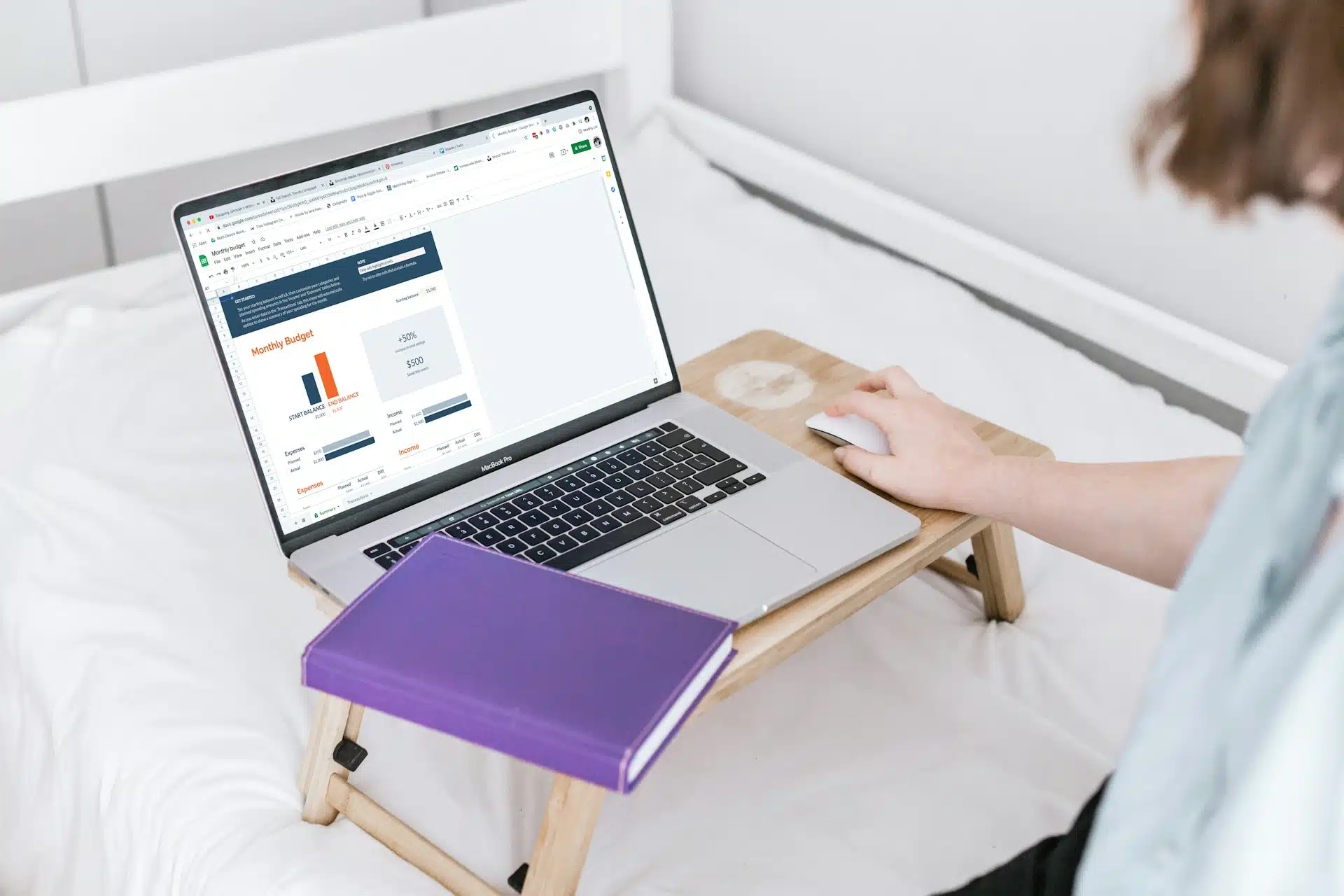
Support at Home introduces quarterly budgets tied to each support category. Unlike Home Care Packages, where clients received a lump sum, clients under the Support at Home program get category-specific budgets they manage in real time. This means you must provide transparent, itemised pricing for every service you deliver.
Work with your finance team to break down your costs by support category. Calculate your hourly rate for each category, any travel costs, and any gaps between your cost and what you actually charge. Then draft a client-facing pricing schedule that shows exactly what clients pay for each hour of support in each category. Include any upfront fees, cancellation charges, or out-of-pocket costs. Share this schedule with clients before they commit to your service.
Step 4: Integrate Your Systems and Align Rostering with New Billing Requirements
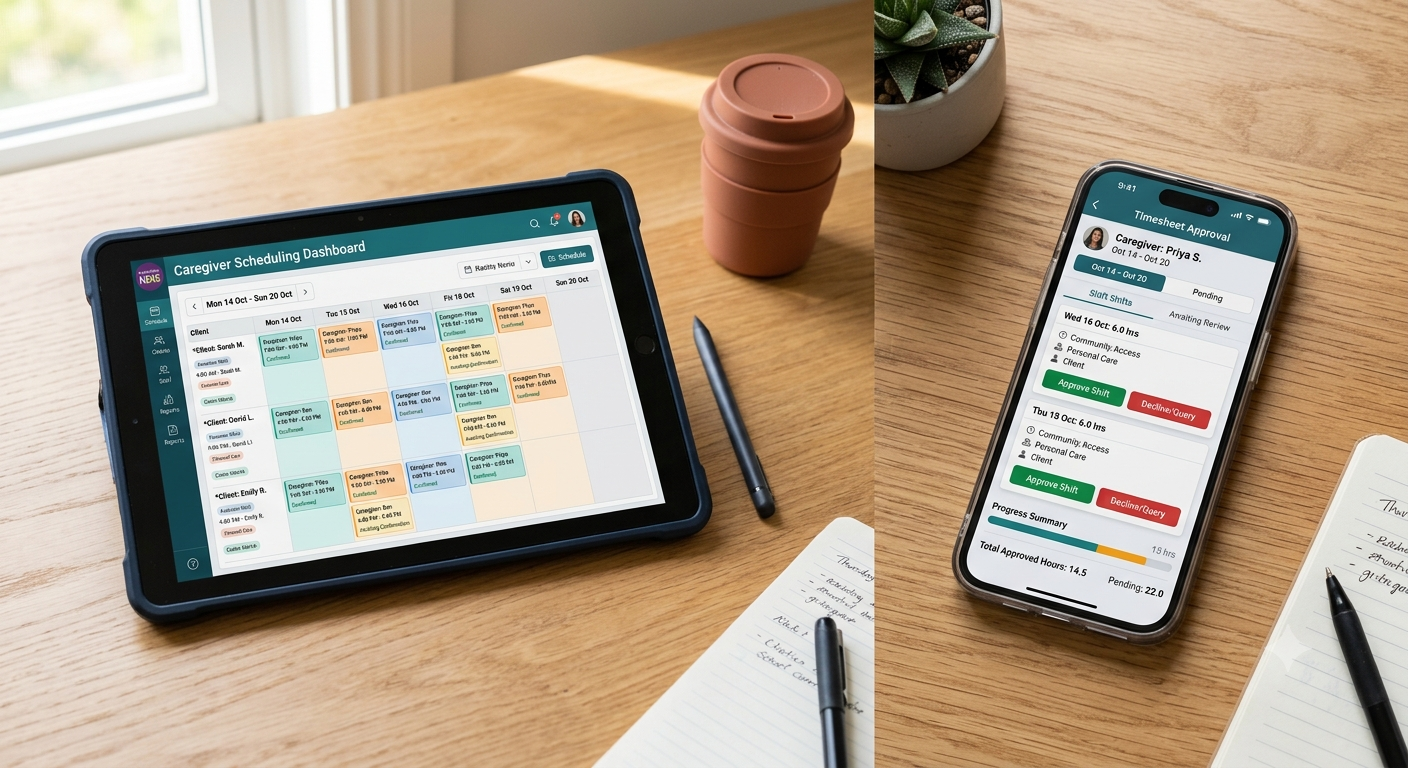
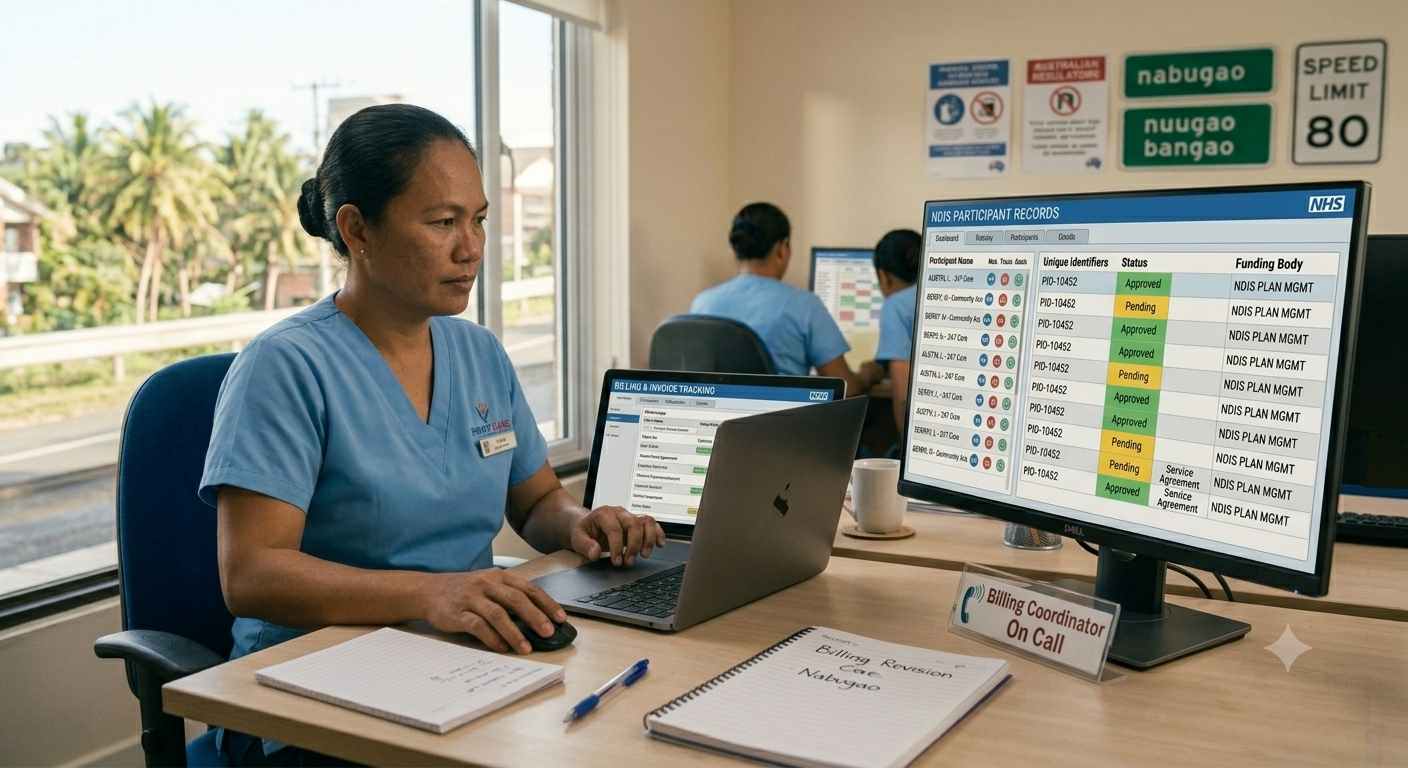
Your current rostering, billing, and care planning software may not align with Support at Home’s category-based quarterly budget model. Audit your current software first. Check whether it can track hours and costs by support category, generate quarterly billing aligned to client budgets, and produce compliance reports for the Department.
If your system falls short, ShiftCare’s rostering platform handles multiple funding streams, so you are not locked into the Support at Home program alone if you also manage NDIS or other services. Test any new system with a small cohort of clients before rolling it out. This reduces the risk of billing errors or data loss during the transition.
Step 5: Train Your Team and Communicate Changes to Clients

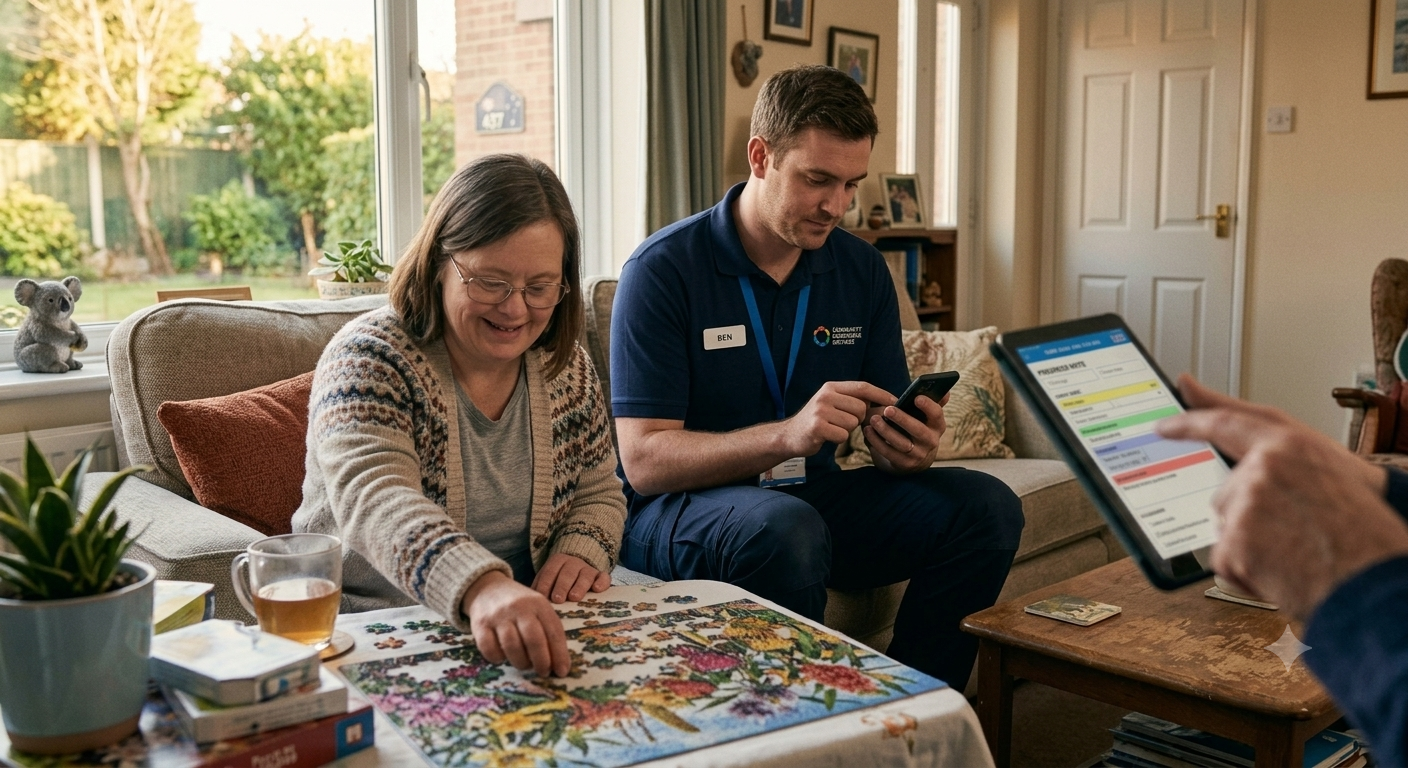
Your support workers, care coordinators, and administrative staff need to understand the new support categories, billing model, and client communication expectations. Run training sessions that cover the eight categories, how to record time and expenses in your system, and how to talk to clients about their budgets and costs.
Client communication matters just as much. Send existing clients a letter or email explaining the transition, confirming their new support category allocations, and providing a clear statement of their quarterly budget and your pricing. Give them time to ask questions. Clients who feel informed are far more likely to stay with you during the transition.
The Support at Home program is an opportunity to streamline operations and deepen client relationships through transparency. Providers who use ShiftCare’s care management tools to handle the category-based model will position themselves for growth under the new program.
Position Your Organisation for Growth Under Support at Home
The Support at Home program is an opportunity to streamline operations and deepen client relationships through transparency. Your support workers, care coordinators, and administrative staff need to understand the new support categories, billing model, and client communication expectations.
Client communication matters just as much—send existing clients a letter or email explaining the transition, confirming their new support category allocations, and providing a clear statement of their quarterly budget and your pricing. Providers who align their systems with the category-based model will position themselves for growth under the new program. ShiftCare’s care management tools handle multiple funding streams and support category-based quarterly budgets.
Start your free trial today. See how ShiftCare helps you transition to the Support at Home program without disruption.