An incident report is a structured document you use to record workplace accidents, safety events, injuries, behavioural incidents, medication errors, or other unexpected situations during care delivery.
For disability support providers, aged care services, home care agencies, and healthcare organisations, using the correct incident report format helps you maintain compliance, protect clients and staff, reduce legal risk, improve care quality, support investigations and audits, and identify patterns to prevent repeat incidents.
This guide explains the correct format of an incident report, what information to include, common mistakes to avoid, and provides free templates you can use immediately.
What Is the Standard Format of an Incident Report?
Most organisations follow a consistent structure when documenting incidents.
A proper incident report format includes:
| Section | Purpose |
| Basic incident details | Records when and where the incident happened |
| People involved | Identifies staff, clients, witnesses, or visitors |
| Incident description | Explains exactly what occurred |
| Injuries or impact | Documents harm, damage, or risks |
| Immediate actions taken | Shows how staff responded |
| Follow-up actions | Outlines next steps and prevention measures |
| Signatures and approvals | Confirms accountability and review |
Using a structured format keeps reports clear, objective, and legally defensible.
Incident Report Format Example

Below is a simple incident report example commonly used in healthcare, disability support, and home care settings.
1. Incident Information
Include:
- Date of incident
- Time of incident
- Exact location
- Type of incident
- Report submission date
Example:
| Field | Example |
| Date | March 15, 2026 |
| Time | 2:15 PM |
| Location | Client residence |
| Incident type | Fall incident |
| Reported by | Sarah Jones |
2. People Involved
Record everyone directly involved or who witnessed the event.
Include:
- Client name
- Staff members involved
- Witnesses
- Emergency responders
This section helps you investigate incidents accurately.
3. Description of the Incident
This is the most important section of the report.
The description should:
- Remain factual
- Avoid opinions
- Follow chronological order
- Explain what happened before, during, and after the incident
Good Example:
Client slipped while walking from the bathroom to the living room at approximately 2:15 PM. Support worker observed water near the bathroom entrance. Client landed on left side and complained of hip pain.
Poor Example:
Client was careless and fell because the floor was messy.
Avoid assumptions, blame, or emotional language.
How to Write an Incident Report Properly
When you write an incident report, focus on clarity and accuracy.
Best Practices
- Use Objective Language: Stick to observable facts only.
- Record Information Immediately: Complete reports as soon as possible after the incident.
- Include Specific Details: Add exact times, precise locations, observable injuries, and actions taken.
- Avoid Speculation: Don’t guess causes or assign blame unless you confirm them through investigation.
Common Types of Incident Reports

Different care organisations use different report formats depending on the incident type.
Workplace Injury Incident Report
Used for:
- Employee injuries
- Lifting injuries
- Slips and falls
- Workplace accidents
Medication Incident Report
Documents:
- Missed medication
- Incorrect dosage
- Medication refusal
- Administration errors
Behavioral Incident Report
Often used in disability support and mental health settings.
Includes:
- Aggression incidents
- Absconding events
- Restrictive practice events
- Escalation behaviors
Client Fall Incident Report
Records:
- Location of fall
- Contributing hazards
- Injuries sustained
- Emergency response
Why Incident Report Formatting Matters
A poorly structured report creates compliance and legal risks.
Proper formatting helps you:
- Improve accountability
- Identify recurring risks
- Meet audit requirements
- Support insurance claims
- Protect staff and clients
- Improve workplace safety
For care providers, regulators often require incident documentation during audits, investigations, and regulatory reviews.
Common Mistakes in Incident Reports
Using Emotional Language
Avoid phrases like:
- “The worker panicked”
- “The client overreacted”
- “Staff failed badly”
Use neutral language instead.
Leaving Out Key Details
Missing timestamps, witness names, or actions taken weakens the report.
Writing Vague Descriptions
Example of vague wording:
Client had an issue in the hallway.
Better wording:
Client slipped near hallway entrance after walking from kitchen area.
Delayed Reporting
Late reports increase compliance risk and reduce accuracy.
Incident Report Template
Below is a simple incident report template organisations can customize.
Basic Incident Report Template
| Section | Details |
| Date and Time | |
| Location | |
| Person(s) Involved | |
| Witnesses | |
| Description of Incident | |
| Injuries or Damage | |
| Immediate Action Taken | |
| Follow-Up Required | |
| Reported By | |
| Manager Review |
Digital Incident Reporting vs Paper Forms
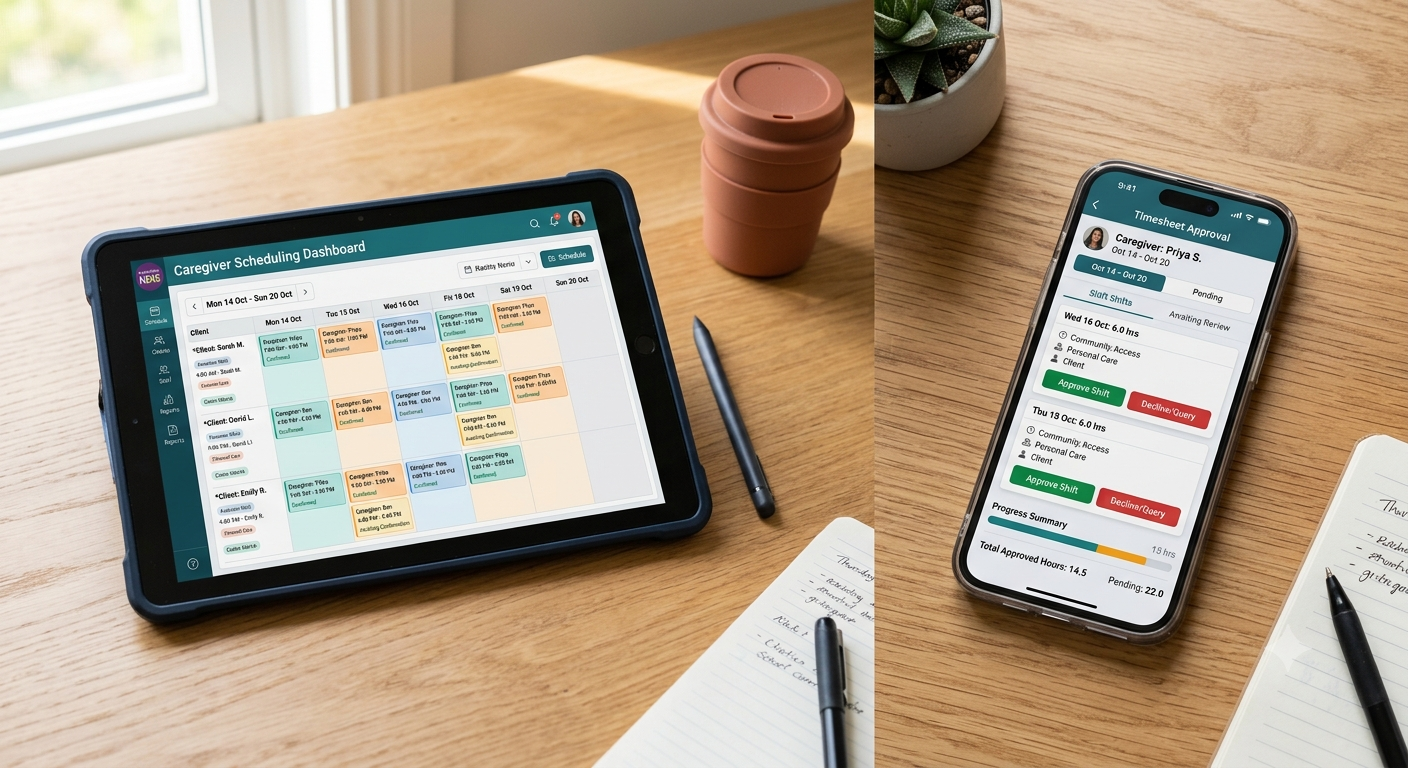
Many care providers are moving from paper-based incident reports to digital care management systems.
Digital incident reporting helps you:
- Submit reports faster
- Reduce missing information
- Improve compliance tracking
- Centralize records
- Automate notifications
- Identify trends through reporting analytics
For home care and disability support providers managing multiple staff and clients, digital documentation improves operational visibility.
Incident Reporting Requirements in Care Services
Depending on the country and care sector, you may need to follow additional reporting obligations.
Examples include:
- NDIS incident reporting requirements in Australia
- HCBS reporting requirements in the United States
- CQC incident documentation expectations in the United Kingdom
- Provincial reporting obligations in Canada
Always align your incident reporting process with local regulations and organisational policies.
How ShiftCare Helps Simplify Incident Reporting
Care providers often struggle with incomplete reports, delayed documentation, scattered records, manual paperwork, and compliance tracking.
Digital care management software helps you standardize incident report formats and maintain accurate records across multiple clients, workers, and locations.
ShiftCare helps you:
- Record incidents digitally
- Store documentation securely
- Track compliance activities
- Improve operational oversight
- Reduce administrative workload
FAQs About How to Write an Incident Report
What is the correct format for an incident report?
A standard incident report format includes the incident date and time, location, people involved, factual description, injuries or damages, actions taken, and follow-up steps.
How do you write a good incident report?
A good incident report uses objective language, includes accurate details, follows chronological order, and avoids assumptions or emotional wording.
What should not be included in an incident report?
Incident reports should not contain opinions, blame, speculation, emotional statements, or unverified conclusions.
Why are incident reports important in healthcare and disability support?
Incident reports help you maintain compliance, improve client safety, reduce legal risks, and identify patterns that may require corrective action.
What is the difference between an incident report and an accident report?
An accident report focuses specifically on accidents or injuries. An incident report can include near misses, behavioural events, medication errors, and other safety-related situations.
Can incident reports be completed digitally?
Yes. Many care providers now use digital care management software to complete, store, and track incident reports more efficiently.
Build Compliant Incident Documentation Systems From Day One
Using the correct format of an incident report helps you improve compliance, strengthen workplace safety, and create accurate documentation for audits and investigations.
The best incident reports are factual, structured, timely, easy to understand, and compliant with organisational policies.
Whether you use paper forms or digital systems, maintaining a consistent incident reporting format is essential for delivering safe and accountable care services. ShiftCare helps you record incidents digitally, centralize documentation, and track compliance without manual paperwork or scattered records.
Try ShiftCare for free today and build incident management systems designed for audit readiness and regulatory compliance.