Becoming an NDIS provider in Australia creates significant opportunities for businesses and independent support workers delivering disability support services. But in 2026, the process is growing more complex. Ongoing reforms, tighter compliance expectations, and stronger provider oversight have changed the requirements.
You need more than registration approval now. Success depends on operational readiness, compliance systems, workforce management, documentation processes, and audit preparation.
This guide explains how to become an NDIS provider in Australia in 2026. We’ll talk about the registration steps, audit requirements, costs, compliance obligations, and key changes you should understand before entering the market.
What Is an NDIS Provider?
An NDIS provider is an individual or organisation that delivers services or supports to participants funded under the National Disability Insurance Scheme (NDIS).
Services providers offer:
- Personal care
- Community access
- Supported independent living
- Therapy services
- Support coordination
- Allied health services
- Respite care
- Transport assistance
You can operate as either a registered NDIS provider or an unregistered NDIS provider. Both models have different compliance obligations and business opportunities.
What Has Changed for NDIS Providers in 2026?
The NDIS sector is undergoing major reform in 2026. The Australian Government has increased scrutiny around provider quality, participant safety, and scheme sustainability.
Key changes affecting providers:
- Stronger compliance enforcement
- Increased audit expectations
- Tighter fraud prevention measures
- Greater focus on participant outcomes
- Ongoing discussions around mandatory registration
- New support needs assessment models
- Increased operational reporting expectations
With these reforms in place, you must demonstrate stronger governance, documentation, and care management processes than in previous years.
Registered vs. Unregistered NDIS Providers

One of your first decisions is whether to become registered or operate as an unregistered provider.
Registered NDIS Providers
The NDIS Quality and Safeguards Commission approves registered providers. You can work with:
- NDIA-managed participants
- Plan-managed participants
- Self-managed participants
Benefits of Registration:
- Access to more participants
- Stronger trust and credibility
- Ability to tender for government-funded services
- Improved growth opportunities
Challenges:
- Mandatory audits
- Higher compliance obligations
- Ongoing reporting requirements
- Greater administrative workload
Unregistered NDIS Providers
Unregistered providers can typically only work with:
- Self-managed participants
- Some plan-managed participants
Benefits:
- Faster startup process
- Lower compliance burden
- Reduced upfront costs
Challenges:
- Smaller client pool
- Lower perceived credibility
- Potential future reform risks
Registered vs Unregistered NDIS Providers Comparison
| Feature | Registered Provider | Unregistered Provider |
| Can support NDIA-managed participants | Yes | No |
| Requires audit | Yes | No |
| Compliance requirements | High | Lower |
| Setup time | Longer | Faster |
| Startup costs | Higher | Lower |
| Access to government tenders | Yes | Limited |
| Operational oversight | Higher | Lower |
Step-by-Step Guide to Becoming an NDIS Provider

Step 1: Decide What Supports You Will Offer
Start by identifying the services your organisation will provide.
Examples:
- Personal care
- Home care support
- Community participation
- Disability accommodation
- Therapy services
- Nursing supports
- Supported independent living
The supports you choose determine your registration groups and audit requirements.
Step 2: Register Your Business
Before applying, you typically need:
- ABN registration
- Business structure setup
- Insurance coverage
- Relevant licences
- Worker screening processes
Common business structures:
- Sole traders
- Partnerships
- Companies
Step 3: Understand NDIS Practice Standards
Registered providers must comply with the NDIS Practice Standards.
These standards cover:
- Participant rights
- Incident management
- Complaints handling
- Medication management
- Governance and operational management
- Worker screening
- Risk management
Review the standards carefully before applying.
Step 4: Complete the NDIS Provider Application
You submit applications through the NDIS Commission portal.
The application process includes:
- Selecting registration groups
- Providing organisational details
- Submitting policies and procedures
- Nominating key personnel
- Demonstrating operational readiness
Incomplete applications commonly delay approval.
Step 5: Prepare for the NDIS Audit
Most registered providers must complete either a verification audit or a certification audit. The type depends on the supports you provide.
Verification Audit
This usually applies to lower-risk providers such as:
- Support coordination
- Therapeutic supports
- Plan management
Auditors review documentation and policies.
Certification Audit
Higher-risk supports require certification audits:
- Personal care
- SIL services
- Complex supports
Certification audits involve:
- Document reviews
- Interviews
- Site assessments
- Participant feedback
Common Audit Requirements
Auditors review:
- Incident management systems
- Worker qualifications
- Participant documentation
- Care plans
- Risk management policies
- Complaints handling procedures
- Medication records
- Staff training records
Providers with poor documentation systems struggle during audits.
Step 6: Receive Registration Approval
Once approved, you receive registration for specific support categories.
You must maintain ongoing compliance with:
- NDIS Practice Standards
- Worker screening requirements
- Incident reporting obligations
- Complaints management rules
- Audit renewal requirements
How Much Does It Cost to Become an NDIS Provider?
Costs vary depending on business size and support categories.
| Expense | Estimated Cost |
| Business registration | $100 to $1,000+ |
| Insurance | $1,000 to $5,000+ annually |
| NDIS audit | $900 to $10,000+ |
| Policies and procedures | Variable |
| Worker screening checks | Variable |
| Care management software | Ongoing subscription |
| Staff training | Variable |
Higher-risk registration groups involve significantly higher audit costs.
How Long Does NDIS Registration Take?
Registration timelines vary depending on:
- Audit complexity
- Application quality
- Registration groups
- Auditor availability
Most providers complete registration within 3 to 9 months. Incomplete documentation significantly delays approval.
What Policies Do NDIS Providers Need?
You commonly need policies covering:
- Incident management
- Complaints handling
- Privacy and confidentiality
- Restrictive practices
- Medication management
- Risk management
- Infection control
- Worker conduct
- Participant rights
Strong documentation is increasingly important under 2026 compliance reforms.
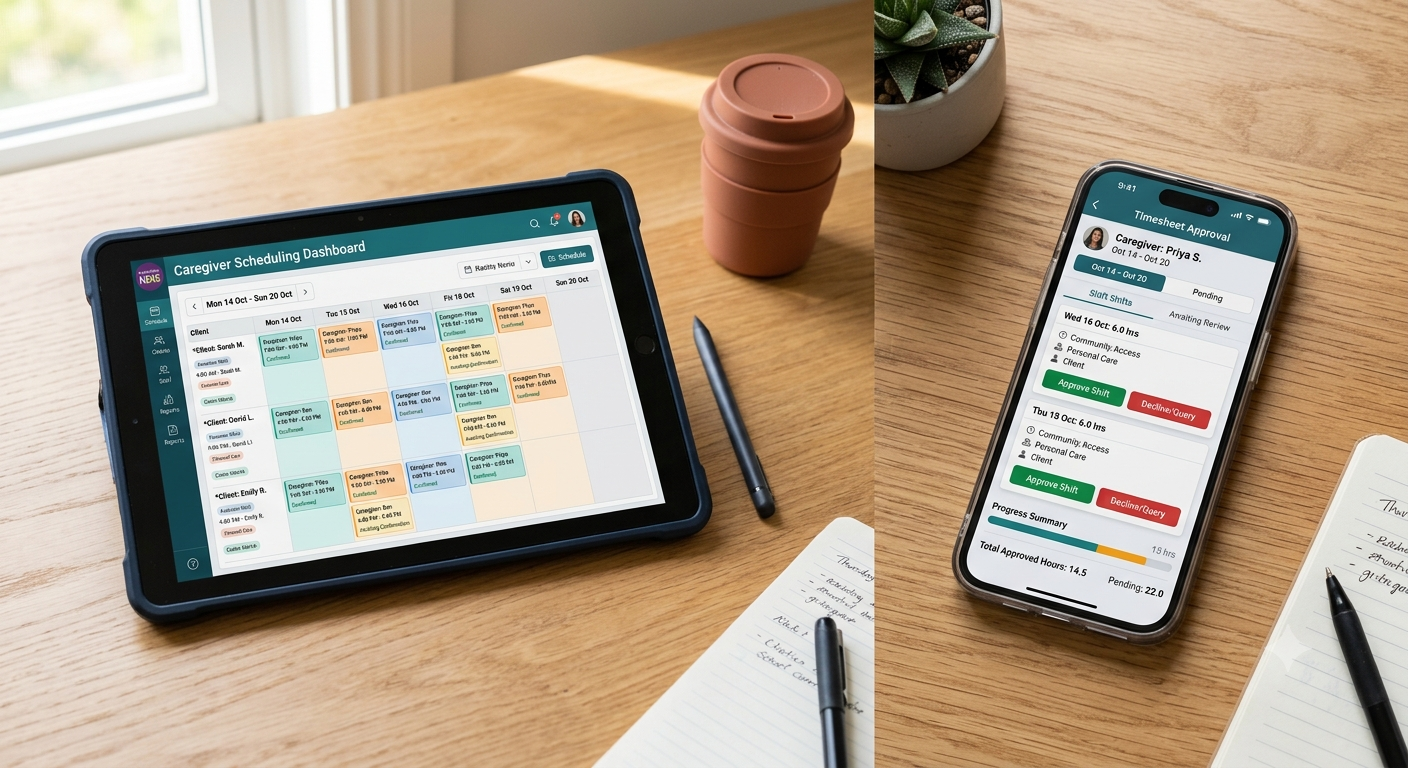
Technology and Systems NDIS Providers Need
Modern NDIS providers increasingly rely on digital systems to manage compliance and operations.
Key systems:
- Rostering software
- Incident management tools
- Care documentation systems
- Medication management software
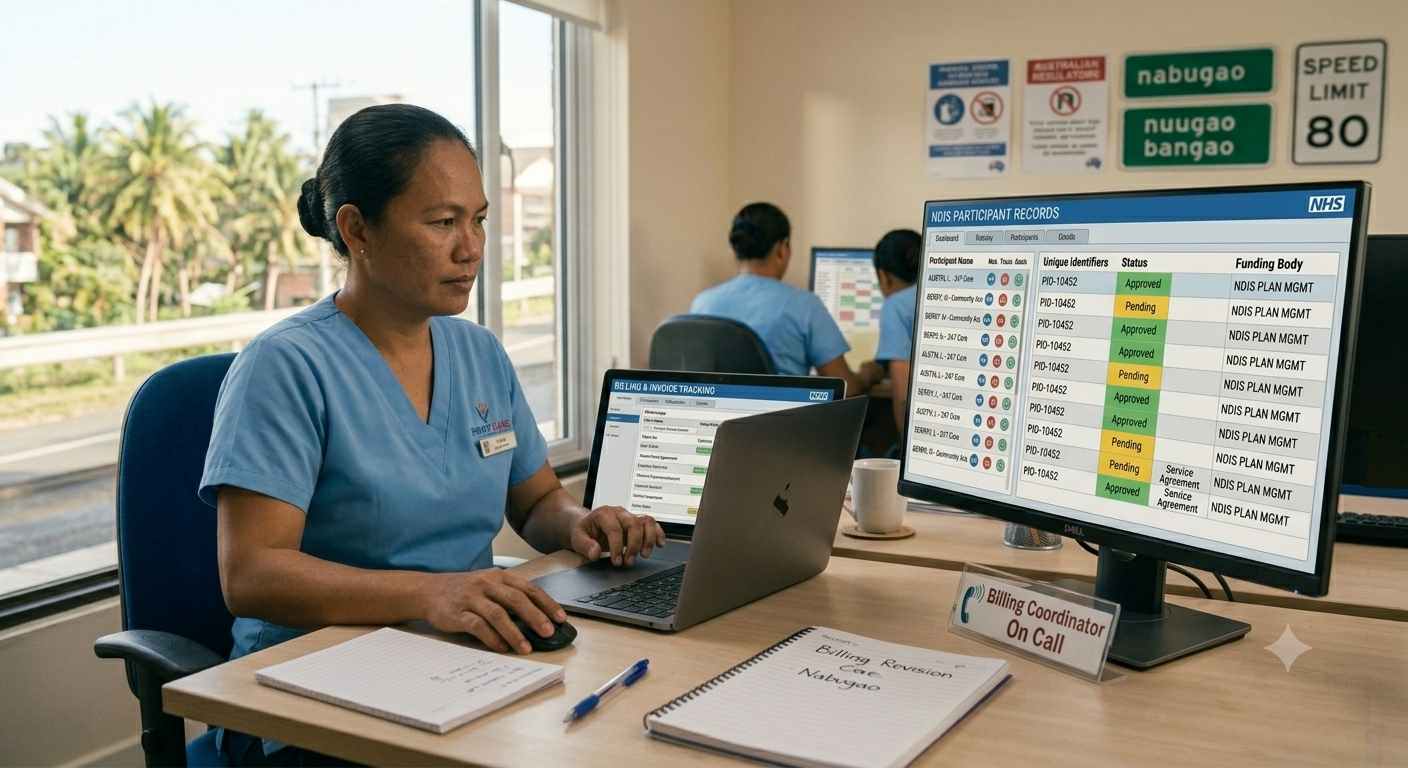
- Billing and invoicing systems
- Progress note tracking
- Worker compliance management
Digital systems help you:
- Reduce paperwork
- Improve audit readiness
- Track staff activities
- Centralise records
- Improve participant oversight
Common Challenges New NDIS Providers Face
Many providers underestimate the operational complexity of running compliant disability support services.
Common challenges:
- Staff shortages
- Compliance administration
- Incident management
- Audit preparation
- Participant documentation
- Cash flow management
- Workforce scheduling
- Worker retention
Providers with weak operational systems struggle to scale sustainably.
Is Becoming an NDIS Provider Still Worth It in 2026?
Despite increasing regulation, demand for disability support services remains high across Australia.
Growth opportunities continue in:
- Home and community care
- Supported independent living
- Psychosocial supports
- Allied health services
- Regional disability services
However, you must now operate with stronger governance and compliance systems than ever before.
Successful providers balance:
- Participant outcomes
- Workforce stability
- Operational efficiency
- Regulatory compliance
Tips for New NDIS Providers
Here are some tips to help you jumpstart your business as an NDIS provider:
- Focus on Compliance Early: Strong compliance systems reduce future operational risks.
- Invest in Documentation Processes: Good documentation improves audit readiness and participant safety.
- Build Sustainable Workforce Systems: Staff retention and scheduling processes are critical for long-term growth.
- Use Digital Care Management Tools: Digital systems help you manage rostering, progress notes, incident reporting, medication tracking, and participant records more efficiently.
How ShiftCare Helps NDIS Providers

Many NDIS providers struggle with manual paperwork, disconnected systems, compliance tracking, scheduling complexity, and documentation management.
ShiftCare helps you simplify operations through digital care management tools designed for disability support and home care services.
You can use ShiftCare to:
- Manage rosters
- Record progress notes
- Track incidents
- Monitor compliance
- Centralise participant records
- Improve operational visibility
FAQs About How to Become an NDIS Provider
Can I become an unregistered NDIS provider?
Yes. Unregistered providers can support self-managed participants and some plan-managed participants without completing full NDIS registration.
How long does it take to become an NDIS provider?
The process takes 3 to 9 months depending on audit requirements, application quality, and registration groups.
How much does NDIS registration cost?
Costs vary widely depending on business size and support categories, but many providers spend several thousand dollars on audits, insurance, policies, and compliance systems.
Do sole traders need NDIS registration?
Not always. Sole traders can operate as unregistered providers if supporting eligible participants outside NDIA-managed arrangements.
What is the difference between verification and certification audits?
Verification audits are for lower-risk supports and focus on documentation review. Certification audits involve more extensive operational assessments.
What software do NDIS providers need?
Many providers use software for rostering, progress notes, incident reporting, billing, medication management, and compliance tracking.
Start Your NDIS Provider Journey With Strong Operational Systems
Becoming an NDIS provider in Australia in 2026 involves far more than submitting an application.
You must prepare for stronger compliance expectations, operational scrutiny, ongoing audits, workforce management challenges, and increasing documentation requirements.
Providers most likely to succeed combine quality participant support with strong operational systems and compliance readiness. ShiftCare helps you manage rosters, track incidents, centralise participant records, and maintain audit-ready documentation from day one.
Whether you operate as a registered or unregistered provider, investing in proper governance, documentation, and care management processes is essential for sustainable long-term growth.
Try ShiftCare for free today and build your NDIS operations on systems designed for compliance, scalability, and participant outcomes.