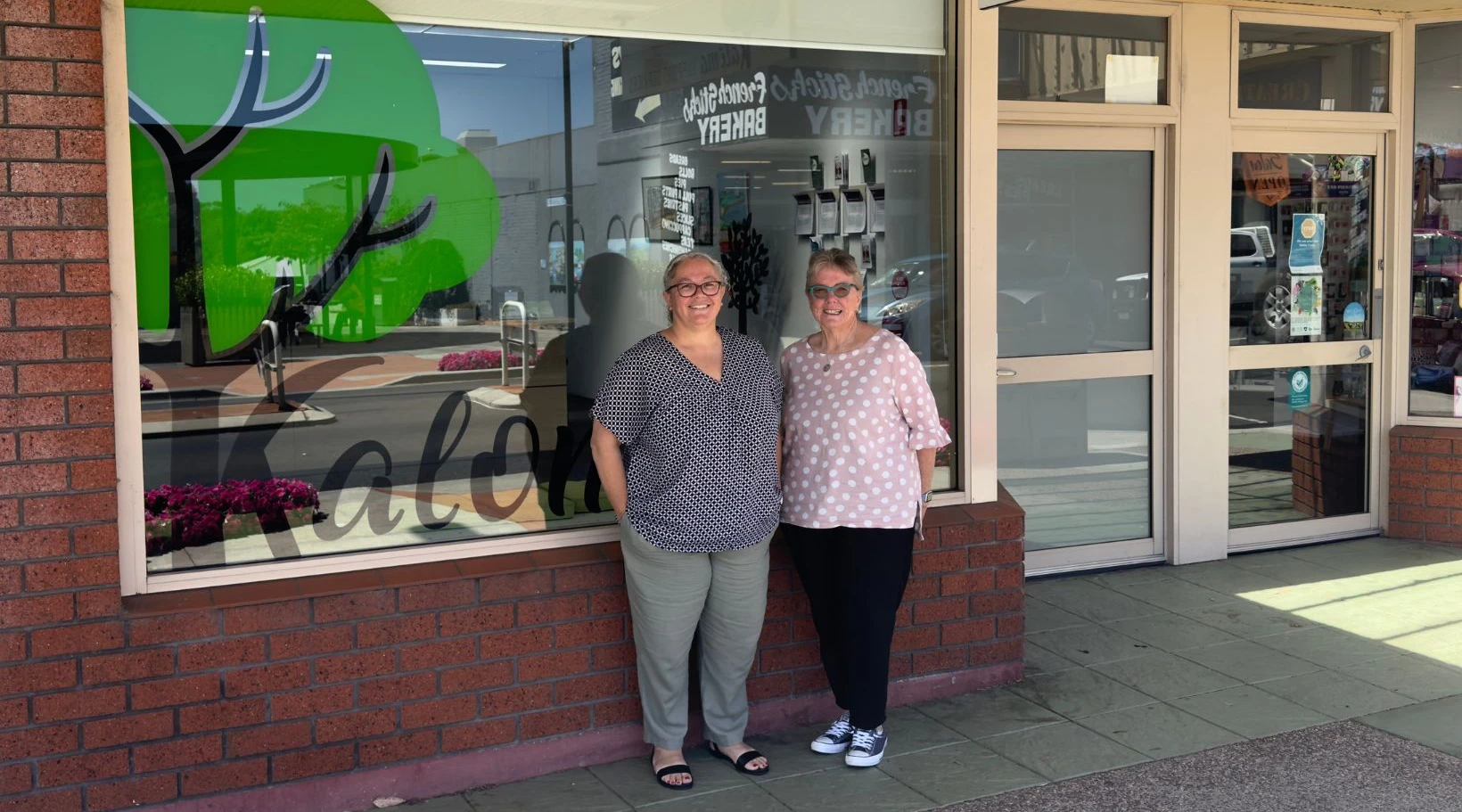
Founded by Sue after decades of working in the disability sector, it started as a response to what she saw as a gap in genuine, personalised care in the local community. With her son Duncan now at the helm as Service Delivery Manager, Kaloma has grown from a small family venture into a thriving support service that hasn’t lost sight of its roots.
More Than Just Another Provider
“Mum saw how support could be done differently,” Duncan explains as we sit down to chat about their journey. “She had this vision of care that put people first – not paperwork, not profits, but real relationships with participants and their families.” That vision, backed by their combined 50 years of industry experience, has shaped Kaloma into what it is today.
In just four years, they’ve grown from a small team of three to over 40 staff supporting more than 45 participants across the region. But it’s not the numbers that Duncan’s most proud of – it’s how they’ve managed to grow while keeping that personal touch his mum always insisted on.
Game-Changing Care
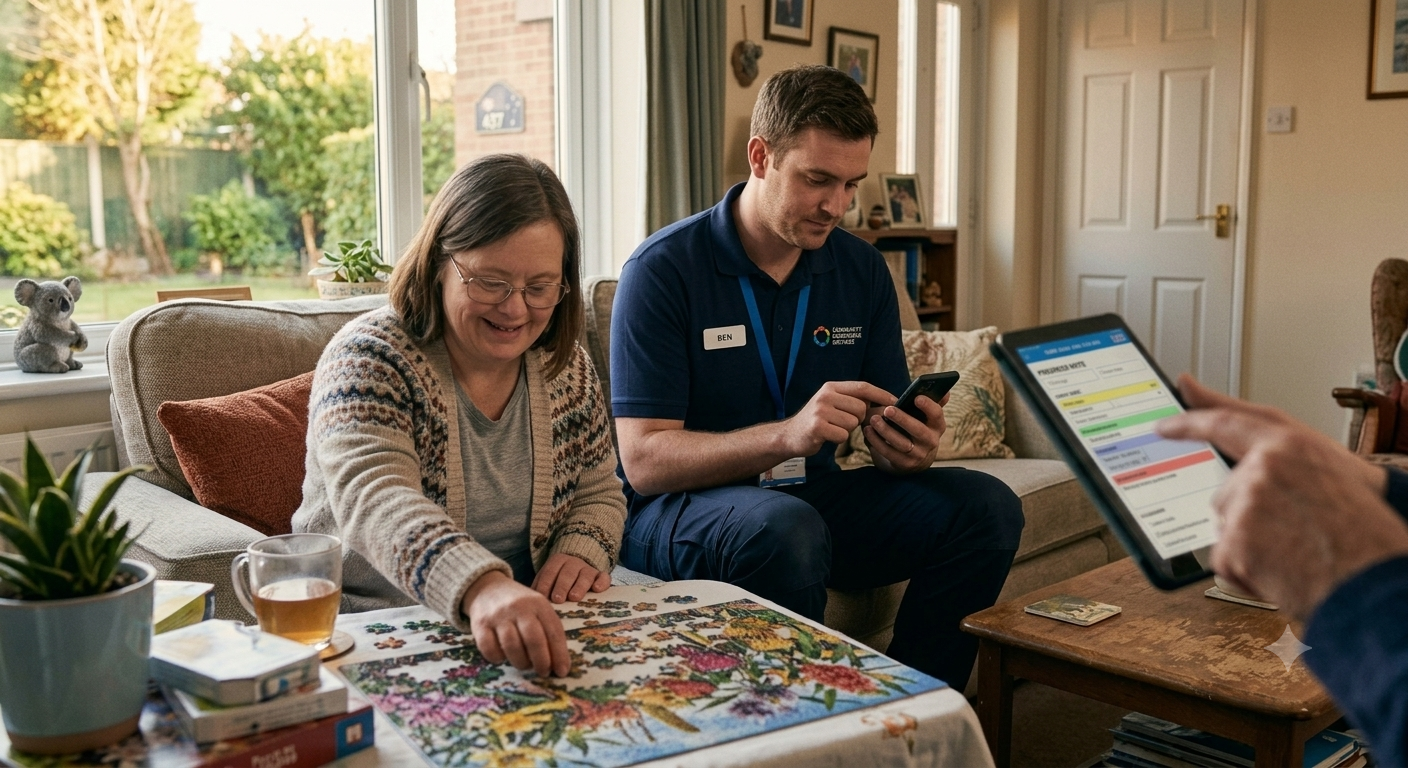
The power of Kaloma’s work shines through in the story of one of their participants – a woman in her forties with Huntington’s Disease who had found herself stuck in aged care, simply because there weren’t any other options locally. Duncan and the team weren’t having that. They put their heads together with her family and coordinator, mapped out a support plan that actually worked for her, and helped her move into her own place.
“Now she gets to see her kids every day, head out when she wants, and just live life properly,” Duncan says. “That’s what it’s all about – giving people real choices about how they live.”
From Drowning in Paper to Smooth Sailing
Back when Kaloma first started, rostering was a weekly marathon that consumed days of valuable time. “Our paper system was a bit of a nightmare,” Duncan explains. Each roster meant reprinting schedules, making individual contact with staff, and manually updating multiple copies of documents. Simple tasks like swapping shifts between support workers could take hours to coordinate.
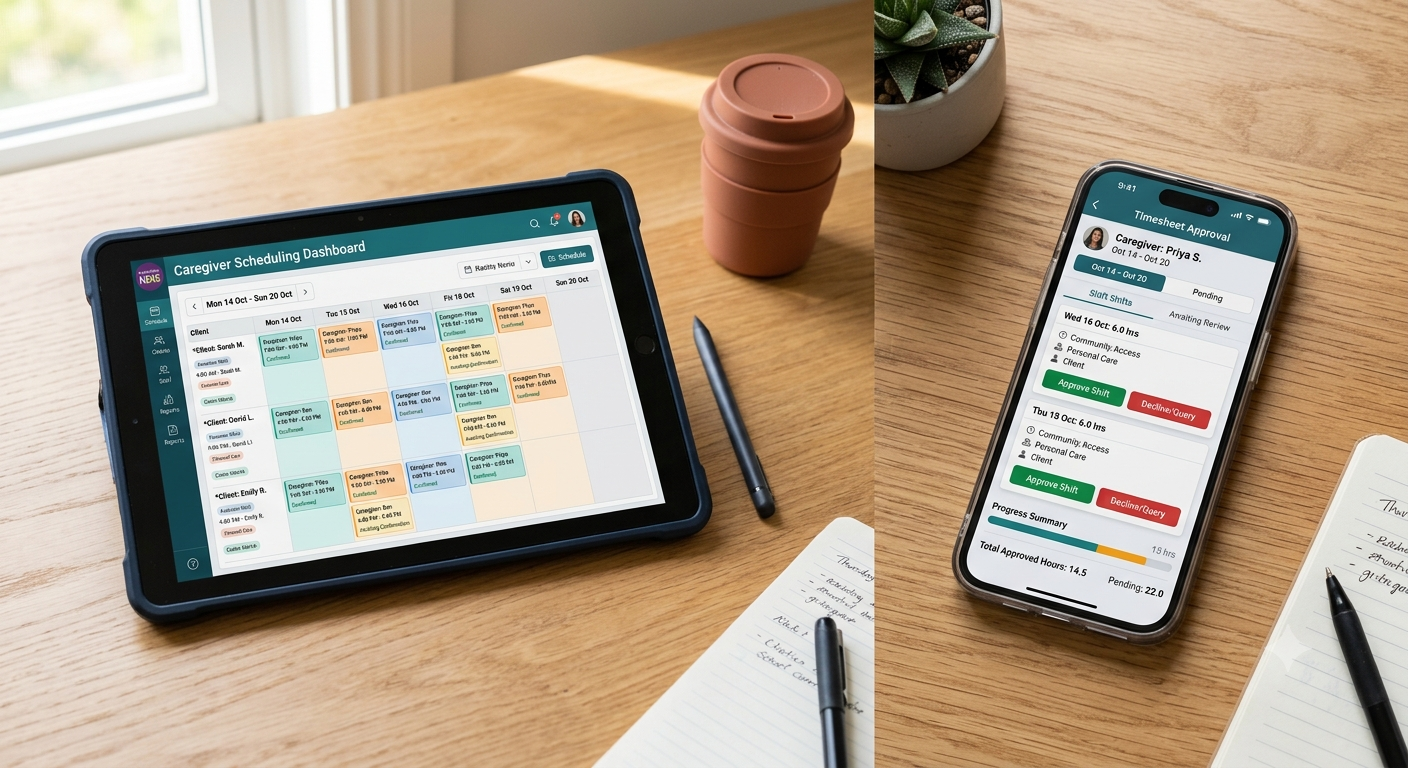
Two years back, they brought in ShiftCare, and according to Angie, who handles all the rosters, it’s been a total lifesaver. “The publish shifts feature is brilliant,” she says. “I can tinker with the rosters without sending them out straight away, which means our support workers aren’t getting bombarded with multiple updates, which would be confusing for them.”
The difference is stark – what used to eat up days of work now takes much less time.
Their numbers tell a pretty impressive story:
- Started with just 3 staff, now they’re 40+ strong
- Supporting more than 45 participants
- Saving days of admin headaches each week
Looking Forward
Duncan reckons the disability sector needs a major rethink. “We need providers working together, not trying to outdo each other,” he says. “When organisations get greedy and take on more than they can handle, everyone loses – especially the participants.”
What gets the Kaloma crew out of bed each morning? It’s pretty simple, really. Seeing someone nail a new skill, gain more independence, or just have a really good day – that’s what makes it all worthwhile. The ShiftCare system means they can focus on these moments instead of being bogged down by admin. It’s not just about making life easier – it’s about making more time for what really counts.