The future of home care software for NDIS providers is driven by tighter funding controls, stronger expectations around individualised care, and increased scrutiny on service alignment. In 2026, providers will rely on digital tools that connect care plans, workforce management, and real-time documentation to deliver personalised care.
In disability support and aged care, everyone deserves to be treated with dignity and respect. The National Disability Insurance Agency and the Aged Care Quality and Safety Commission reinforce this through standards that prioritise person-centred, quality care. Over the past year, expectations around how care is delivered and documented have become more defined.
For NDIS providers, there’s less room for error. Even minor oversights can lead to delayed payments, compliance flags, or audits. As requirements become more complex, manual processes are no longer efficient or reliable. Now is the right time to revisit how technology supports service delivery. As we kick-off the year, here’s a snapshot of the top trends from last year, and emerging trends in home care software for the year ahead shaping the NDIS and aged care sectors.
Current and Past Trends in Australian Home Care Software
Here are some of the current and past trends that left an impact on NDIS home care systems.

NDIS Funding Is Tightening Around “Reasonable and Necessary” Supports
Analysts report that NDIS is slowing annual funding growth to improve long-term scheme sustainability. The NDIS is setting clearer limits on “reasonable and necessary” support. Generic care plans and weak progress notes increase the likelihood of plan reductions, payment delays, or funding disputes. To avoid non-compliance, many NDIS providers are exploring purpose-built systems to help generate audit-ready, compliant reports and bridge the gap between manual processes and the growing need to automate processes.
Increased Scrutiny on Provider Claims and Service Alignment
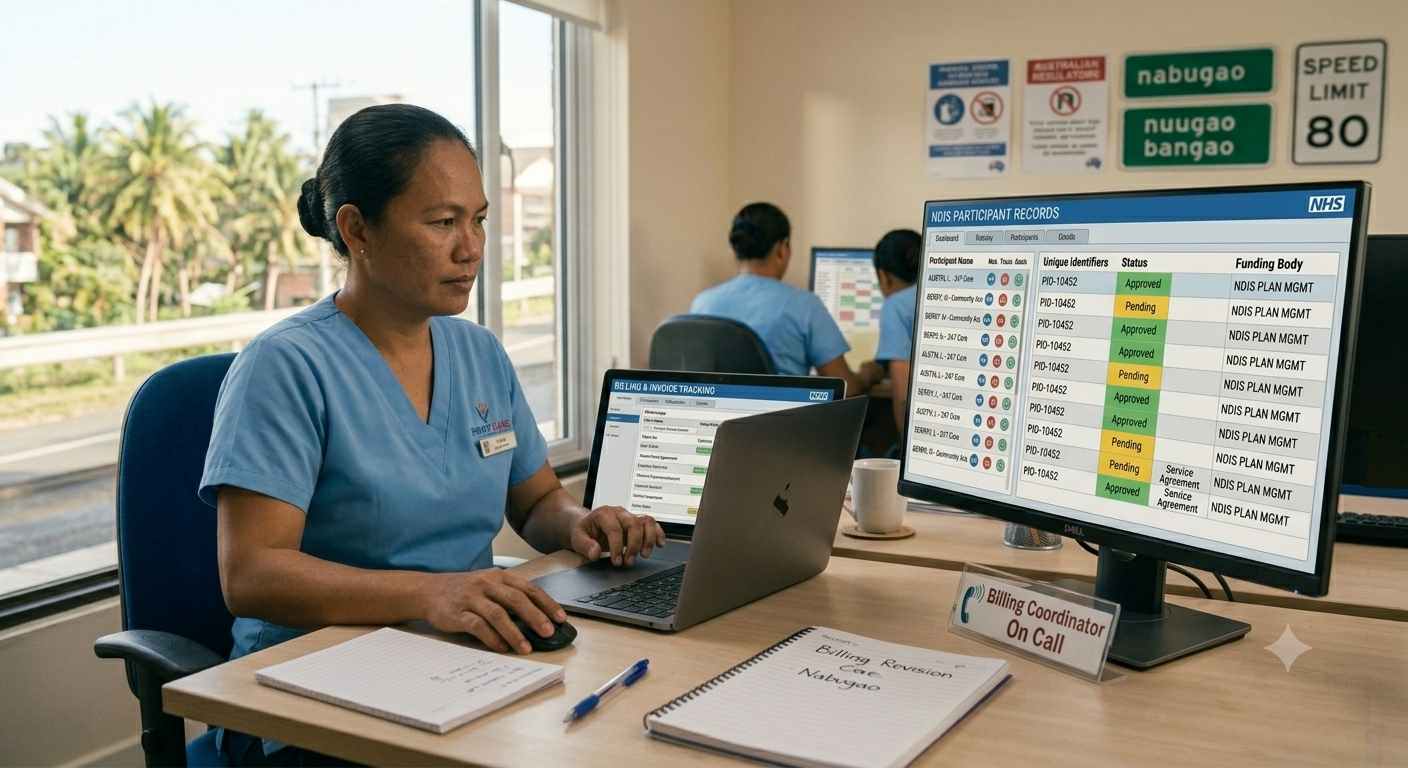
The NDIA is cracking down on provider claims with over-servicing, duplicate support, and services delivered outside funding categories. Poorly filed claims with no traceable goals are likely to get rejected. As a result there are harsher penalties – it is now more important than ever for providers to be diligent in how they manage and process claims for accurate payments.
Shift Toward Digital Tools for Day-to-Day Service Delivery
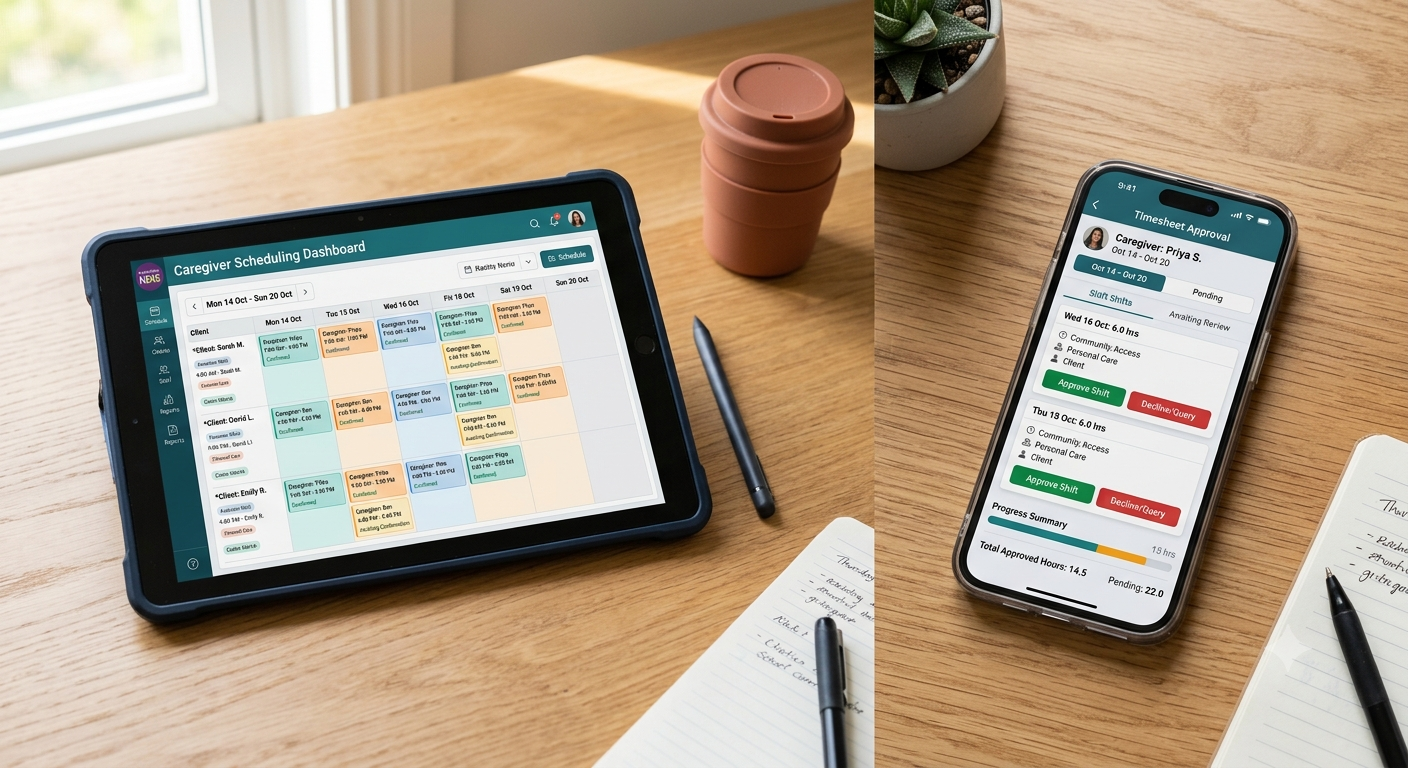
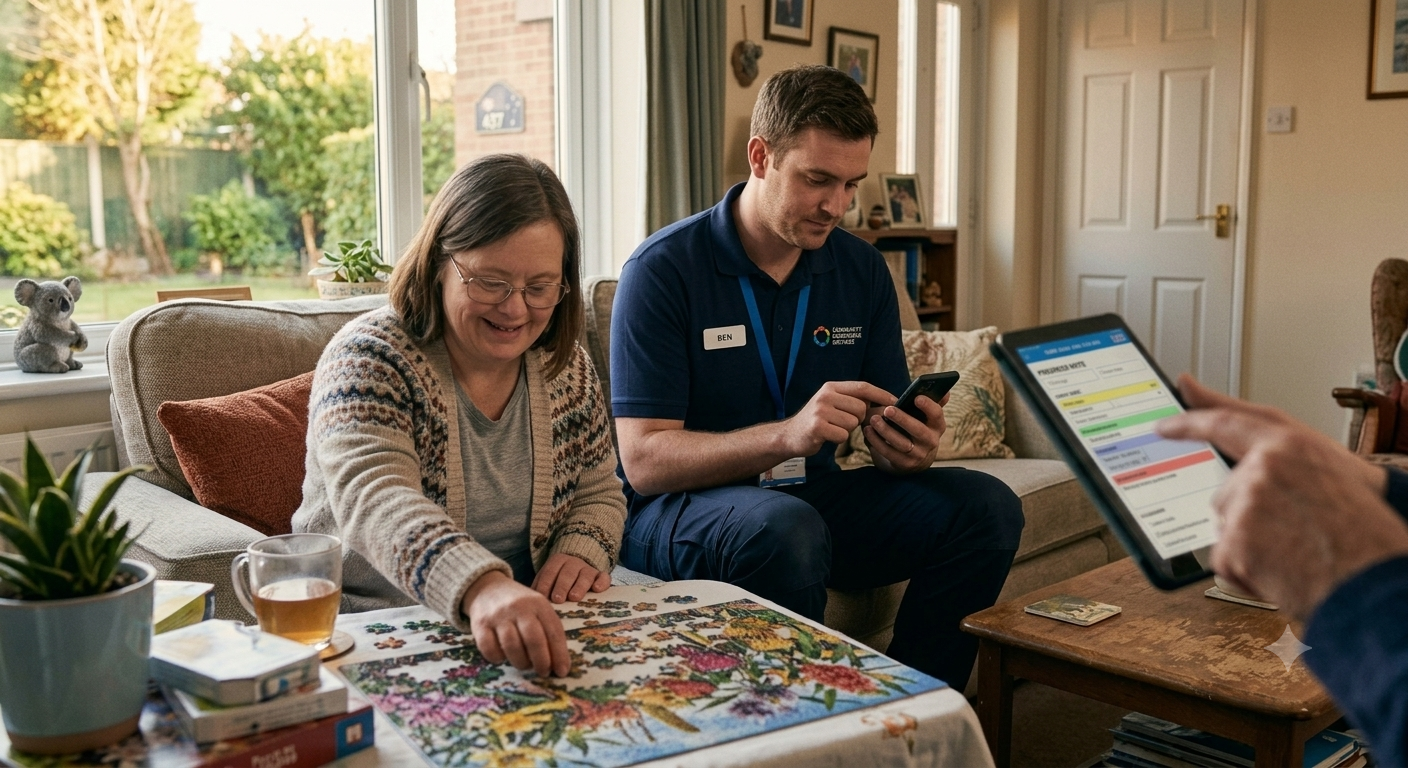
Providers are digitising daily service delivery workflows, not just fulfilling compliance checkboxes. Carer-facing mobile apps now handle shift confirmations, task checklists, progress notes, and incident logging at the point of care. They improve consistency across staff by embedding support instructions directly into daily workflows rather than separate documents.
Trends That Will Shape Home Care Software in 2026
Deliver higher-quality services in 2026 by integrating these trends into your care delivery workflow.

Individualised Care Plans Will Become the Standard
Care planning is assessed based on how well it reflects ongoing choice, goals, and lived experience, not just intake information. Generic, static care plans are no longer viable. You need to capture progress that aligns with service delivery and align tasks and daily goals with the goals and outcomes of participants.
Automation Will Become Essential for Provider Sustainability
Are your carers spending more and more time on non-care tasks? With the tightened NDIS and ACQS guidelines, it’s understandable that compliance would come with more admin work. But they shouldn’t pull your staff away from their core duties. To manage compliance while upholding quality care standards, many providers are looking towards AI tools to automate standard routine tasks like documentation and scheduling.
https://www.pexels.com/photo/person-holding-a-stress-ball-339620/
Better Alignment Between Workforce Management and Care Delivery
When assigning shifts, providers must match participants with workers who have the appropriate skills, experience, and availability outlined in the care plan. Treating staff as interchangeable resources leads to skills mismatches, inconsistent service delivery, and poorer participant outcomes. It also increases caregiver dissatisfaction when workers are repeatedly assigned tasks outside their competencies or preferences. Smarter rostering tools will be important for providers to lookout for this year, among with other tools that align matching the best fit caregivers to the right participants – enhancing care delivery and removing barriers or service delivery gaps.
Get Ready for Tighter NDIS and Aged Care Compliance in 2026
As NDIS and aged care oversight continues to tighten, compliance will become harder to manage with manual processes and disconnected systems. Instead of taking on more admin work, upgrade to ShiftCare. Centralise your care plans, progress notes, risk updates, and service delivery records in one compliant platform. Your team can stay prepared and confident as regulatory expectations continue to rise.
Book a conversation with our team today. See why NDIS providers across the country are using ShiftCare to automate compliance and offload admin work.