Serious incidents in NDIS services do happen. Abuse, neglect, unauthorised restraint, unexpected death, severe injury. The NDIS Quality and Safeguards Commission receives thousands of incident reports every year, and each one tells a story about a breakdown somewhere. Some are one-off human errors. Others point to systemic gaps in how providers train staff, supervise work, or handle conflict.
The data matters because it shows patterns, and if your provider is paying attention to the patterns in your own incidents, you can build a safer service. Paradoxically, providers with higher incident reporting rates are often safer than those with lower rates. This isn’t because they’re worse operators. It’s because they have a culture where staff feel safe reporting problems and managers take reports seriously. When workers are afraid of consequences if they report something, incidents get hidden.
What Incidents Must Be Reported to the NDIS Commission

The NDIS Commission requires registered providers to report six categories of serious incidents: death, serious injury, abuse or neglect, unlawful sexual or physical contact, sexual misconduct, and unauthorised restrictive practices. Most incidents must be reported within 24 hours of the provider becoming aware of them. You then have five business days to provide full documentation.
Why High Reporting Rates Often Mean Safer Services
Paradoxically, providers with higher incident reporting rates are often safer than those with lower rates. This isn’t because they’re worse operators. It’s because they have a culture where staff feel safe reporting problems and managers take reports seriously. When workers are afraid of consequences if they report something, incidents get hidden. The providers managing safety well understand that incidents are signals, not failures.
How to Build an NDIS-Compliant Incident Management System
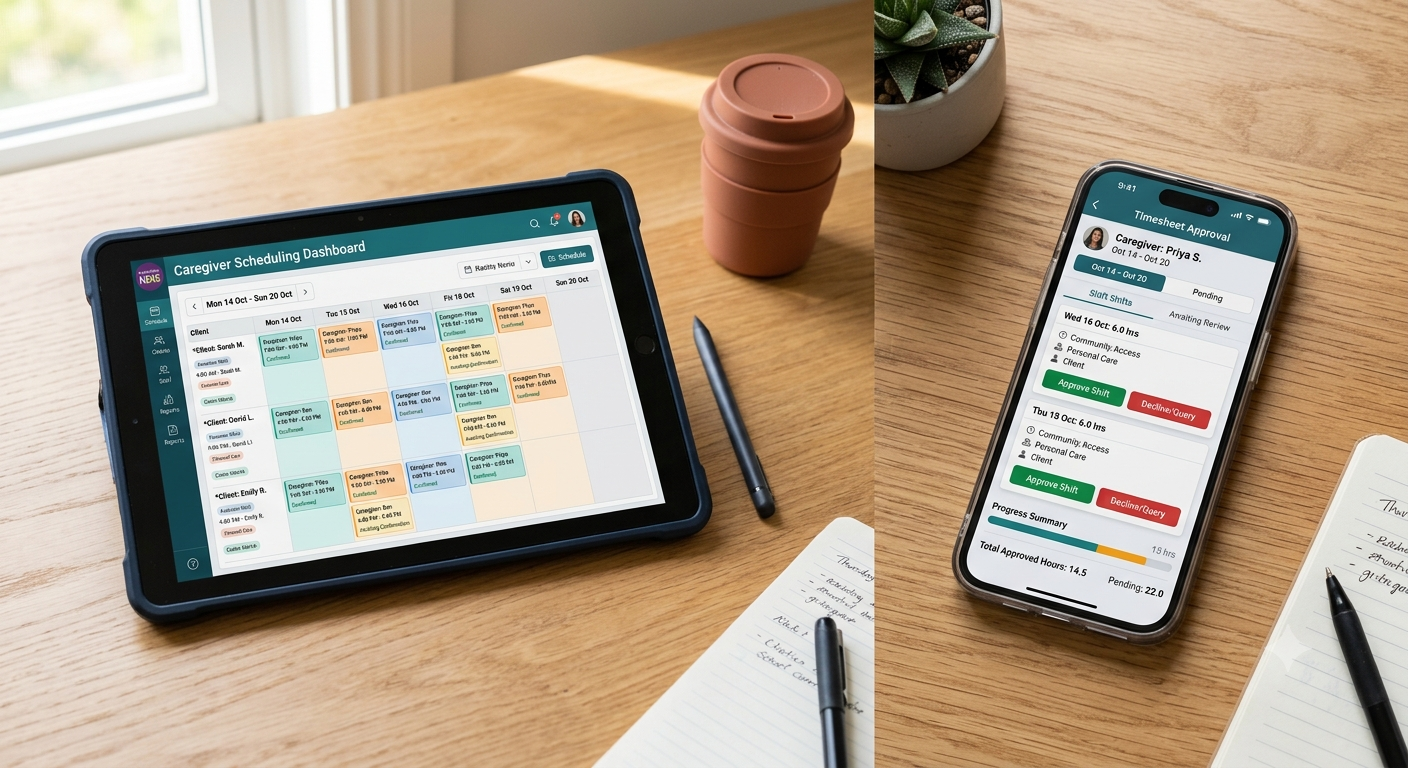
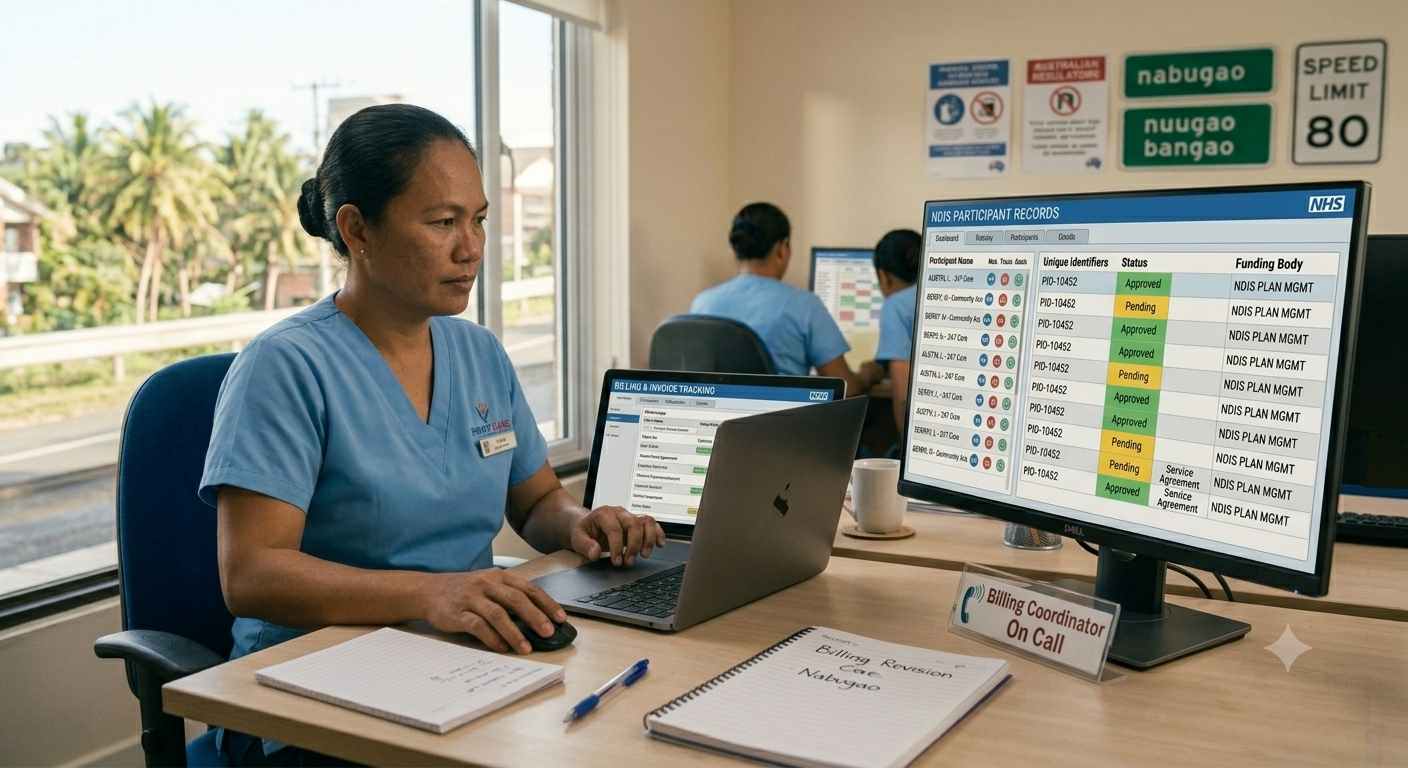
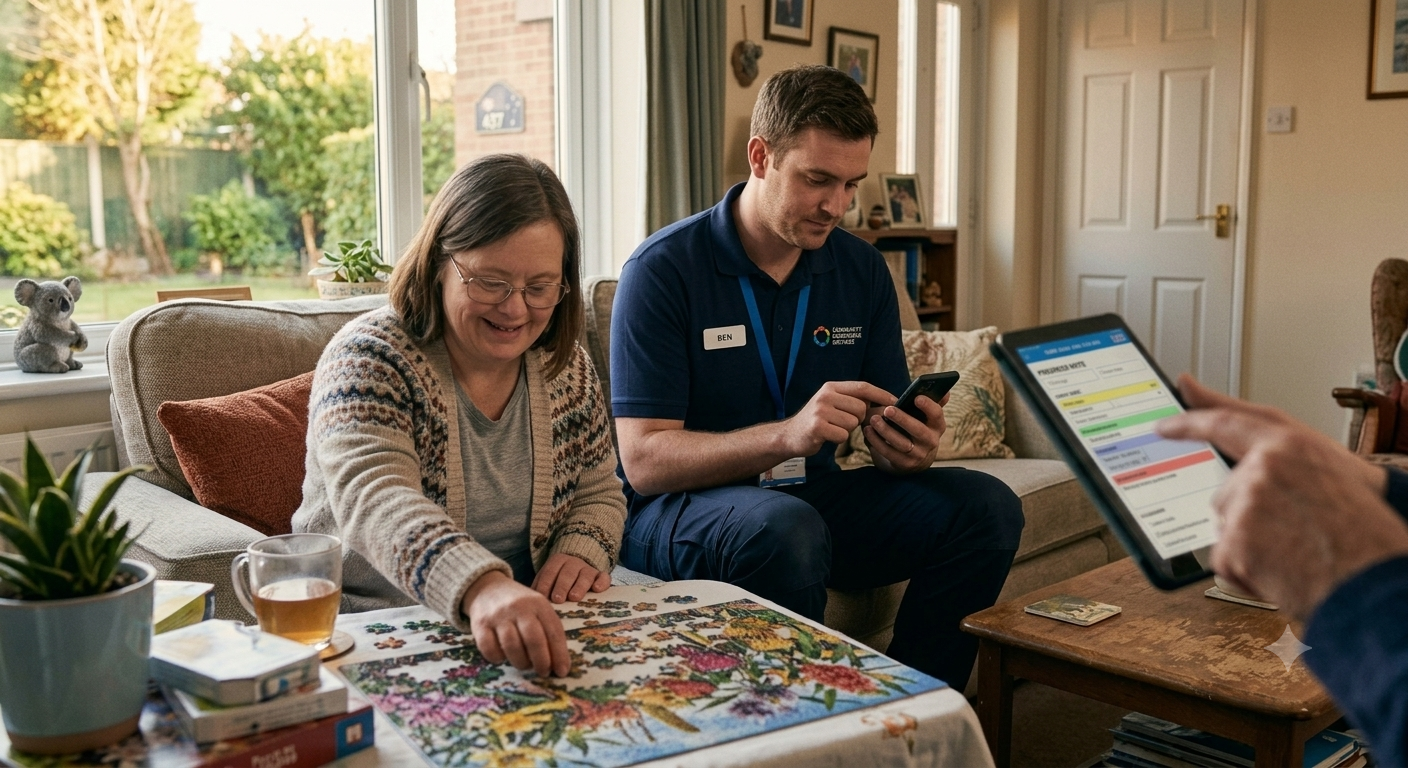
Start by training every team member on what constitutes a reportable incident. Unclear cases get escalated to management, not swept under the rug. Create a simple, standardised incident report form that staff can complete quickly when something happens. Include fields for the date, time, people involved, a description of what happened, immediate actions taken, and any injuries or property damage. Make it available digitally so there’s no excuse for staff to skip reporting because the system is inconvenient. A well-configured NDIS management platform can automate this process and send alerts when incidents are logged.
How to Investigate and Document NDIS Incidents
When an incident is reported, someone with authority and distance needs to investigate. They talk to the people involved, collect any physical evidence, check any prior complaints or patterns involving those staff members, and document findings. Document everything: the incident report, the investigation notes, what you found, what you changed, and follow-up actions. Keep records for five to ten years depending on incident severity.
How to Identify Patterns in Your Incident Data

Review your incident data at least quarterly. Look for repeat incident types, particular clients who experience frequent incidents, and particular staff members associated with incidents. Are most of your serious incidents happening during shift changes? In specific houses? Involving particular worker-participant combinations? These patterns tell you where your systems have gaps. A team collaboration platform makes it easier to spot these patterns across your workforce.
The Role of Technology in Incident Management
Providers using digital incident reporting tools report faster initial reporting, more complete records, and better follow-through on corrective actions compared to those using paper forms or email. When an incident is logged digitally, it gets automatically timestamped, routed to the right manager, and added to a trackable workflow. Nothing falls through the cracks because someone forgot to file a form or missed an email notification.
Why Digital Incident Reporting Improves Compliance
Compliance means you report what you’re supposed to report on time. Safety culture means you actually care about preventing incidents, investigate honestly, and change things based on what you learn. The providers building the safest services treat every incident report as an opportunity to improve their systems, not just a box to tick for the Commission.
Turn Incident Data Into System Improvements
Compliance means you report what you’re supposed to report on time. Safety culture means you actually care about preventing incidents, investigate honestly, and change things based on what you learn. Review your incident data quarterly. Look for patterns: repeat incident types, particular clients who experience frequent incidents, staff members associated with multiple incidents. Are most serious incidents happening during shift changes? In specific houses? These patterns show you where your systems have gaps.
Providers using digital incident reporting complete initial reports faster, maintain more complete records, and follow through on corrective actions more consistently than those using paper forms or email. ShiftCare’s NDIS incident management tools automatically timestamp reports, route them to the right manager, and create trackable workflows so nothing falls through the cracks.
Start your free trial today and see how ShiftCare helps NDIS providers manage incidents and build safer services.