From mid-2026, the way NDIS participants plan their supports is changing. The new framework planning approach is more person-centred and less focused on functional impairment categories. If you’re supporting participants through the planning process, or you’re a provider managing participant funding and goals, you need to understand what’s shifting.
The old approach looked at a person’s functional limitations and matched supports to fix or minimise those gaps. The new framework planning starts with the person’s life and their disability support needs. Instead of asking “What can’t you do?”, assessors will ask “What do you need help with to live the life you want?” This shift changes how goals get set and how budgets get allocated. Here are the questions we hear most from providers and what the NDIA is rolling out.
What’s Changing in NDIS Framework Planning

The old approach looked at a person’s functional limitations and matched supports to fix or minimise those gaps. The new framework planning starts with the person’s life and their disability support needs. Instead of asking “What can’t you do?”, assessors will ask “What do you need help with to live the life you want?” This shift changes how goals get set and how budgets get allocated. The NDIA is training assessors to conduct structured conversations about daily life, with the participant supported by people they trust.
How NDIS Plans Will Look Different Under the New Framework
Under the new framework, plans will mix both stated items and flexible budgets. Some supports will be listed as stated items, meaning they’re designated for a specific purpose such as speech pathology. Others will sit in a flexible budget that participants can use on any NDIS-approved support they choose. This gives participants more control and makes it easier to adjust spending as their life changes without waiting for a formal plan review.
Plans will cover longer periods, so participants will have fewer scheduled reviews and more stability. Instead of being locked into a 12-month cycle, many participants will move to longer plan periods, giving them certainty and reducing the disruption of frequent restarts.
The transition will be gradual. The NDIA is aiming for a phased rollout from mid-2026, so not every participant will experience change immediately. All participants must transition to the new framework within five years of the mid-2026 launch.
How Framework Planning Affects Provider Invoicing and Service Delivery
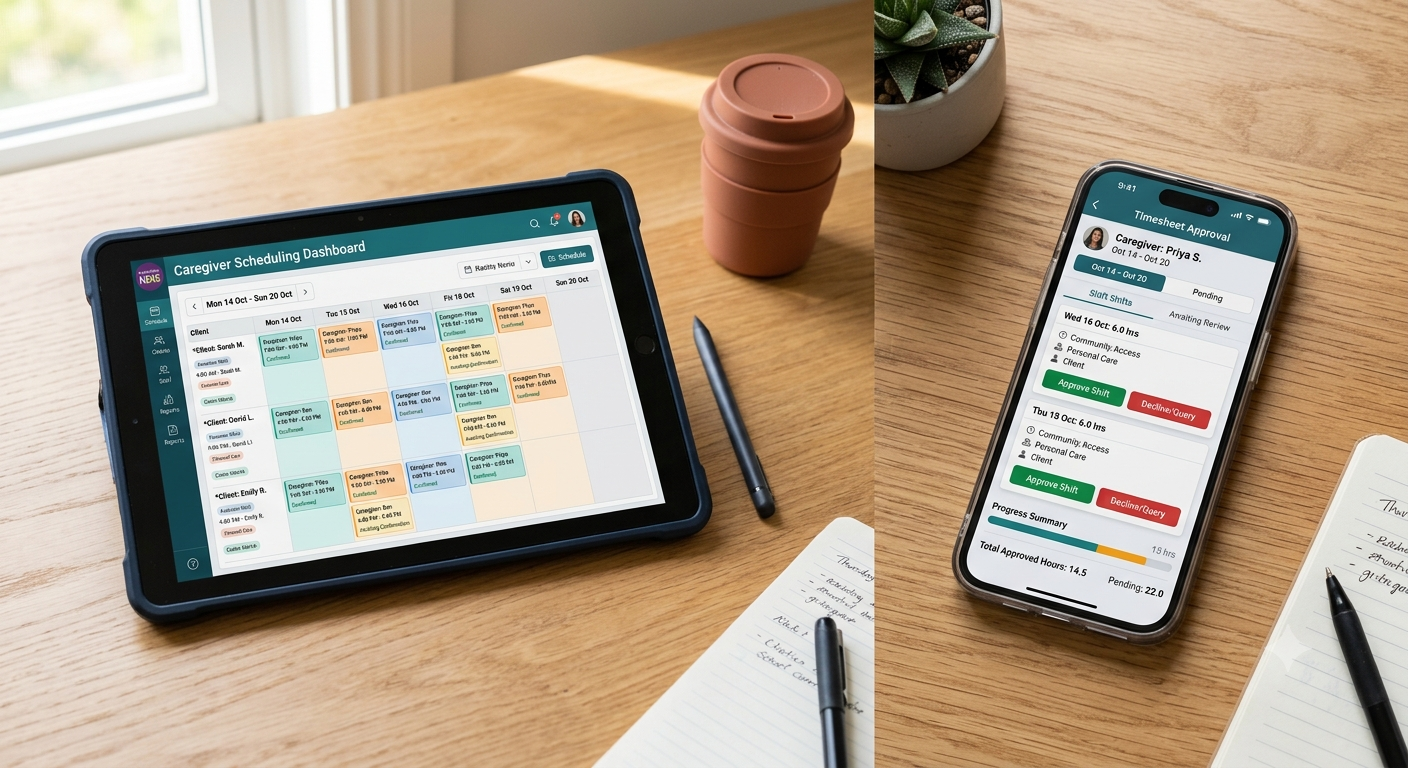
As a provider, your invoicing and claim processes will need to adapt. If a participant’s plan now includes flexible budgets rather than specific line-item allocations, you’ll need to understand which supports fall under which category. Some of your participants will still have traditional stated item plans while others have moved to the new framework, so your administrative systems need to handle both. ShiftCare’s NDIS scheduling tools can help you manage these transitions across mixed plan types.
Who Will Transition to Framework Planning First
Children under 18 years old are excluded from the initial rollout. Adults already in the scheme will transition gradually based on their plan review dates.
How NDIS Providers Should Prepare for Framework Planning
Review your care planning documentation templates to ensure they align with outcome-focused language rather than task lists. Update your plan review processes to include longer review cycles. Train your support coordinators and key workers on the new planning framework terminology and approach.
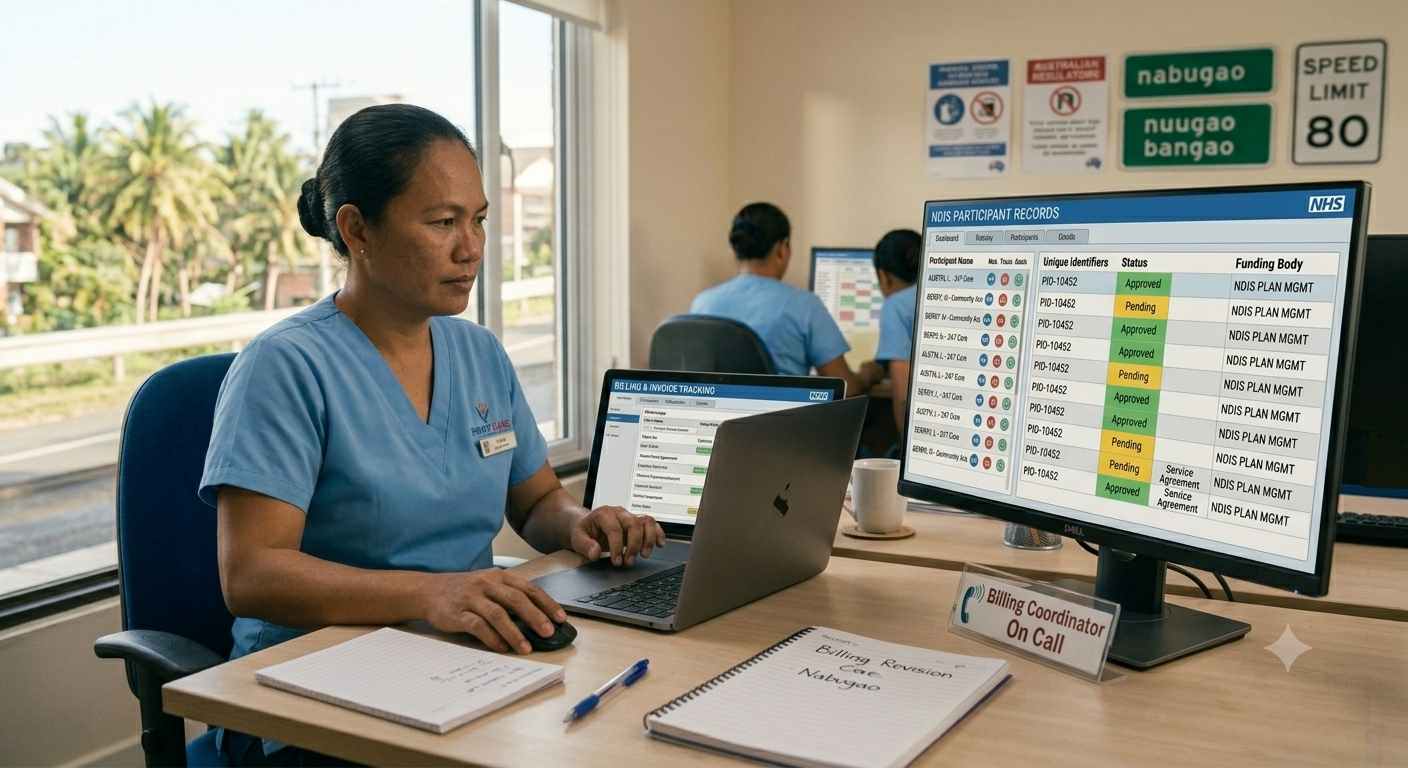
Most importantly, if you’re using software to manage participant records and invoicing, check whether it supports the new funding categories and plan structures. Systems that can handle flexible budgets alongside stated items will save significant administrative time during the transition period.
Don’t Wait Until Your First Participant Transitions
Framework planning rolls out gradually, but your systems need to be ready now. Some of your participants will transition in mid-2026. Others won’t move until 2028 or later. You can’t afford to manage two completely different planning systems manually for five years. The providers who prepare early will handle the transition smoothly. The ones who wait will spend years chasing invoicing errors, explaining budget categories to confused participants, and manually reconciling stated items against flexible budgets.
ShiftCare’s NDIS management tools are built to handle mixed plan types, track flexible budgets alongside stated items, and adjust automatically as participant plans transition to the new framework. You don’t need to overhaul your entire operation. You need systems that can flex with the change.
Start your free trial today and see how ShiftCare helps NDIS providers prepare for framework planning.