Why NDIS Progress Notes Matter
Progress notes serve as the foundation for quality care documentation, providing essential evidence of service delivery and participant outcomes. They’re not just about meeting compliance requirements; they’re about creating a clear picture of each participant’s journey, challenges, and achievements. These records play a crucial role in determining the effectiveness of support strategies and informing future planning decisions.
The Essential Elements of Effective Progress Notes
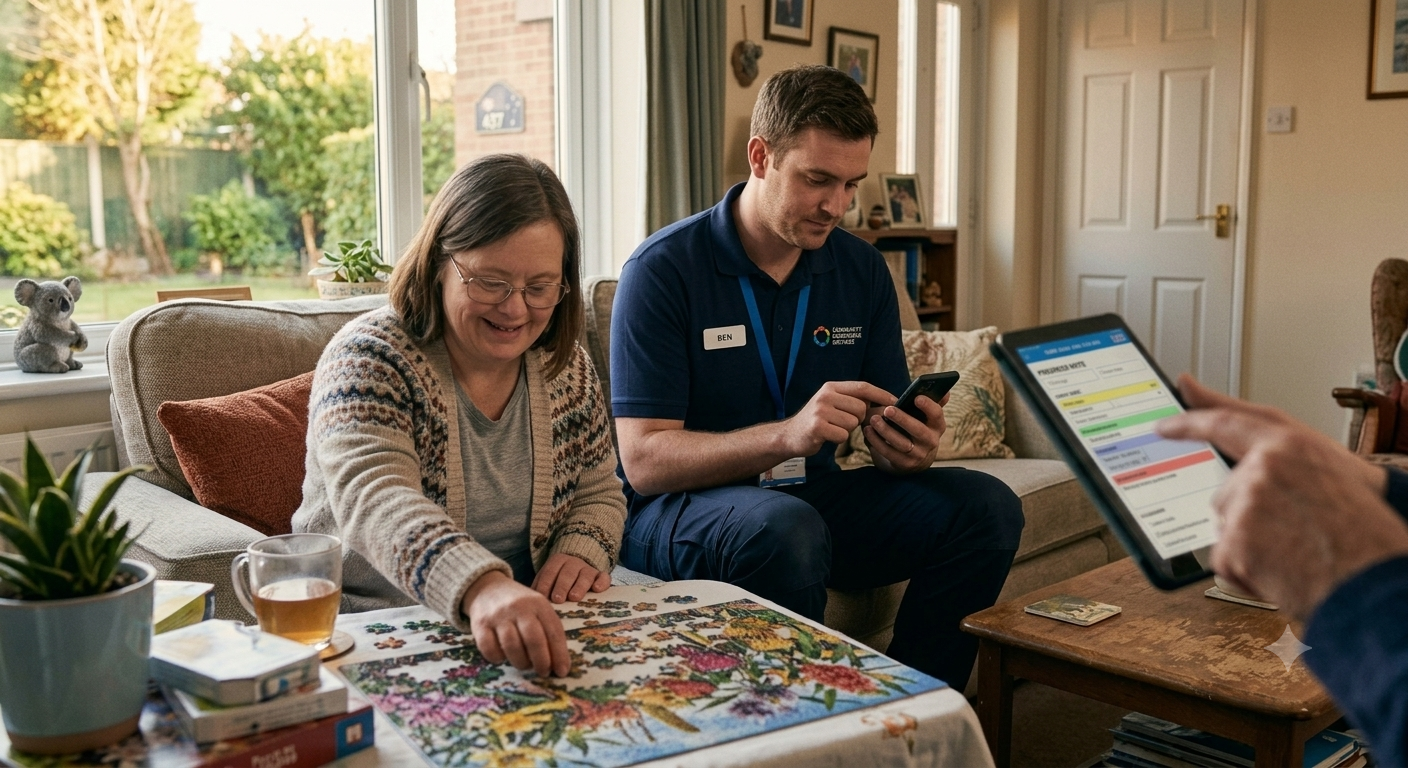
Quality NDIS progress notes should tell a complete story while remaining objective and professional. They need to capture what happened during a support session, how the participant responded, and how this relates to their NDIS goals. This information becomes invaluable during plan reviews and helps demonstrate the value of continued support.
Documentation should always focus on observable facts rather than subjective interpretations. Instead of writing “John was in a good mood,” consider “John smiled throughout the session and actively participated in all activities.” This approach provides clearer, more reliable information for all stakeholders involved in the participant’s care.
Many support workers struggle with finding the right balance between detail and conciseness in their progress notes. Over-documentation can be as problematic as under-documentation. The key is to focus on relevant information that demonstrates progress towards goals and highlights any significant changes or concerns.
Time management presents another common challenge. Writing comprehensive notes while managing a full caseload of participants can feel overwhelming. However, implementing efficient documentation practices and using appropriate tools can significantly reduce this burden.
Best Practices for NDIS Documentation
Developing a systematic approach to progress notes helps ensure consistency and completeness. Consider following the SOAP format (Subjective, Objective, Assessment, Plan) or similar structured methods to organise your documentation. This approach helps ensure you capture all necessary information while maintaining a logical flow.
Remember to always link observations and activities back to the participant’s NDIS goals. This connection helps demonstrate the purposeful nature of support provision and provides clear evidence of progress or areas needing adjustment.
Technology’s Role in Progress Note Management
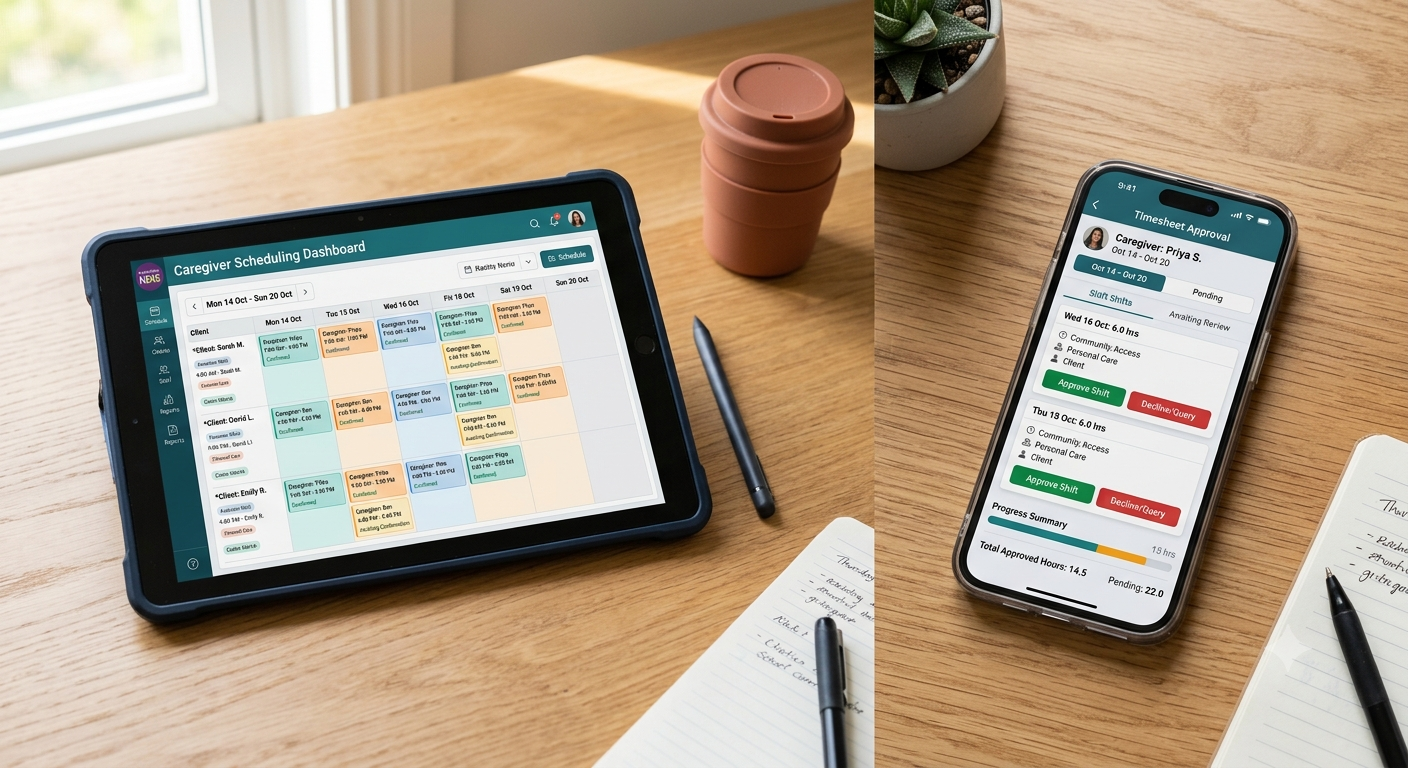
Modern care management systems have transformed how support workers create and manage progress notes. Digital solutions offer numerous advantages, including:
- The ability to complete notes in real-time during or immediately after sessions
- Built-in prompts to ensure all necessary information is captured
- Secure storage and easy retrieval of historical records
- Integration with other aspects of participant management
When dealing with NDIS progress notes, privacy considerations are paramount. All documentation must comply with privacy legislation and NDIS requirements. This includes using appropriate language, securing storage systems, and ensuring information is shared only with authorised individuals.
The Impact on Quality of Care
Well-documented progress notes contribute significantly to the quality of care provided. They enable better communication between team members, ensure continuity of support, and help identify patterns or trends that might otherwise go unnoticed. This comprehensive view of participant progress helps inform decision-making and supports better outcomes.
Looking Forward
As the NDIS continues to evolve, the importance of quality documentation will only increase. Support providers who develop strong progress note practices now will be better positioned to meet future challenges and demonstrate the value of their services.
Ready to transform your NDIS progress notes from a daily task into a powerful tool for better support delivery? Book a demo with ShiftCare today to discover how our intuitive care management software can streamline your documentation process while ensuring compliance and improving the quality of your participant records. Our Australian-made solution is specifically designed to meet NDIS requirements and support better outcomes for both providers and participants.