A home care coordinator in Queensland gets a phone call from a care worker who has noticed that her peer, doing similar work, is earning more per hour. The coordinator checks the payroll system and finds that the worker’s classification hasn’t been updated in three years.
Another provider in Victoria conducts a routine payroll audit and discovers that several personal care workers are being paid below the minimum under the Social, Community, Home Care and Disability Services (SCHADS) Award. These situations are more common than many providers realize. Payroll compliance in care is a legal obligation and an ethical one, but many smaller services lack the clarity and systems to manage it confidently.
The SCHADS Award sets minimum wages, classifications, and conditions for workers in disability, home care, and community services across Australia. Underpaying workers exposes your service to claims, penalties, and reputational damage. Here’s how to audit your payroll, classify workers correctly, and maintain SCHADS compliance.
What Is the SCHADS Award?

The SCHADS Award is a modern award that sets minimum wages, conditions, and classifications for workers in social and community services, including disability support, aged care, home care, and mental health services. It applies to most care workers in Australia unless they’re covered by a separate enterprise agreement.
- Care Worker Level 1: Entry-level, support duties
- Care Worker Level 2: Core personal care and support
- Care Worker Level 3: Complex or specialist support
- Senior roles: Coordinators and supervisors
Each classification has a minimum hourly wage set by the Fair Work Commission, updated annually in July. As of mid-2026, the minimum wage for a Care Worker Level 2 is approximately AUD $24.50 per hour (varies slightly by state and indexed for inflation).
Beyond hourly rates, the Award covers:
- Penalty rates (higher pay for weekends, nights, public holidays)
- Leave entitlements (annual leave, personal leave, carers leave)
- Rostering conditions, flexibility, and training requirements
Step 1: Classify Your Care Workers Correctly
Accurately classify every care worker in your service. Many providers classify workers conservatively (keeping them in lower classifications to reduce payroll cost), which is a compliance violation. The Fair Work Commission expects classification to reflect the actual work and responsibilities performed, not the title or the worker’s experience level.
A personal care worker who assists with bathing, dressing, and toileting is performing Care Worker Level 2 duties, regardless of whether their job title says “support worker” or “personal care attendant.”
To classify correctly, ask these questions for each worker:
- What are their main duties?
- Do they provide personal care (hands-on support for hygiene, toileting, dressing)?
- Do they provide specialist support such as behaviour support or mental health support?
- Do they supervise or train other workers?
- Do they manage complex health or safety needs?
Match the duties to the Award classifications and assign accordingly. If a worker’s role has grown over time, their classification should grow too.
Document the classification decision in the worker’s file for audit purposes. Many providers keep a simple classification schedule (spreadsheet matching worker name, role, classification, effective date) that can be produced to a compliance auditor or Fair Work inspector.
Step 2: Know the 2026 Minimum Wage Rates for SCHADS Award Care Workers

The SCHADS Award minimum wage rates are indexed annually in July and are set by the Fair Work Commission. As of July 2025, the rates are approximately (check the Fair Work website for the exact current rates as they’re updated):
- Care Worker Level 1: AUD 23.10 per hour
- Care Worker Level 2: AUD 24.50 per hour
- Care Worker Level 3: AUD 26.30 per hour
- Coordinator / Team Leader: AUD 28.90 per hour
These rates apply to the base hourly wage. Penalty rates (weekends, evenings, public holidays) are calculated as multiples of the base rate. For example, Saturday work is typically 1.25 times the base rate; Sunday work is 1.50 times; public holidays can be 2.00 times or more depending on circumstances.
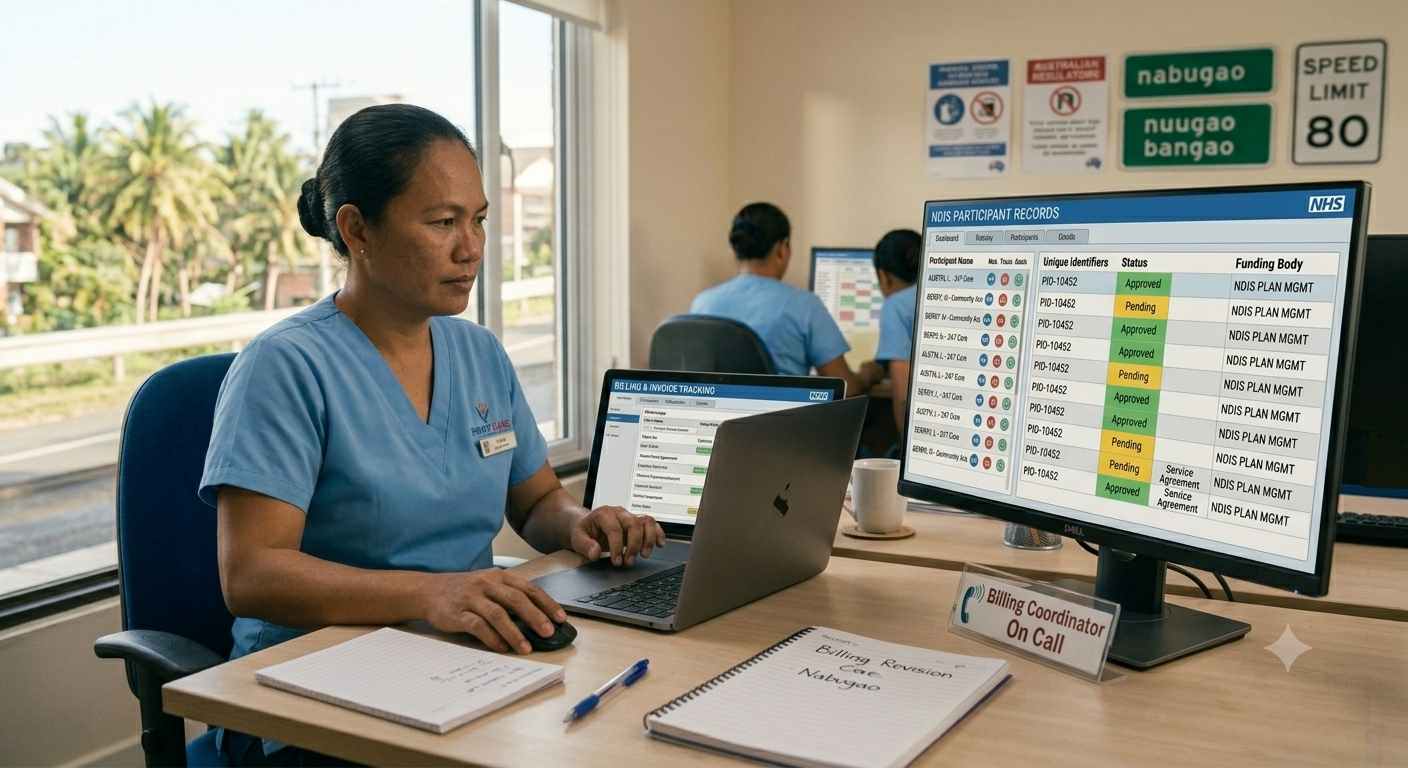
Your payroll system must enforce these minimums automatically, not rely on manual calculation. Many smaller services use accounting software that doesn’t understand Award requirements and therefore doesn’t enforce minimums. If you’re in that situation, it’s worth exploring payroll systems that include Award compliance. A few hours setting up the correct rates and classifications saves weeks of audit problems later.
Step 3: Verify Your Payroll System
Check your current payroll system to see whether it enforces SCHADS Award minimums. If you’re using a basic accounting system like MYOB or Xero, these tools have Award modules, but they must be configured correctly. If you’re using a human resources or payroll system specific to care services, it should have built-in SCHADS compliance.
Ask your payroll provider directly: “Does this system enforce SCHADS Award minimum wages for the classifications I use?” If the answer is vague or “not automatically,” you have a problem.
High-risk: spreadsheet-based payroll
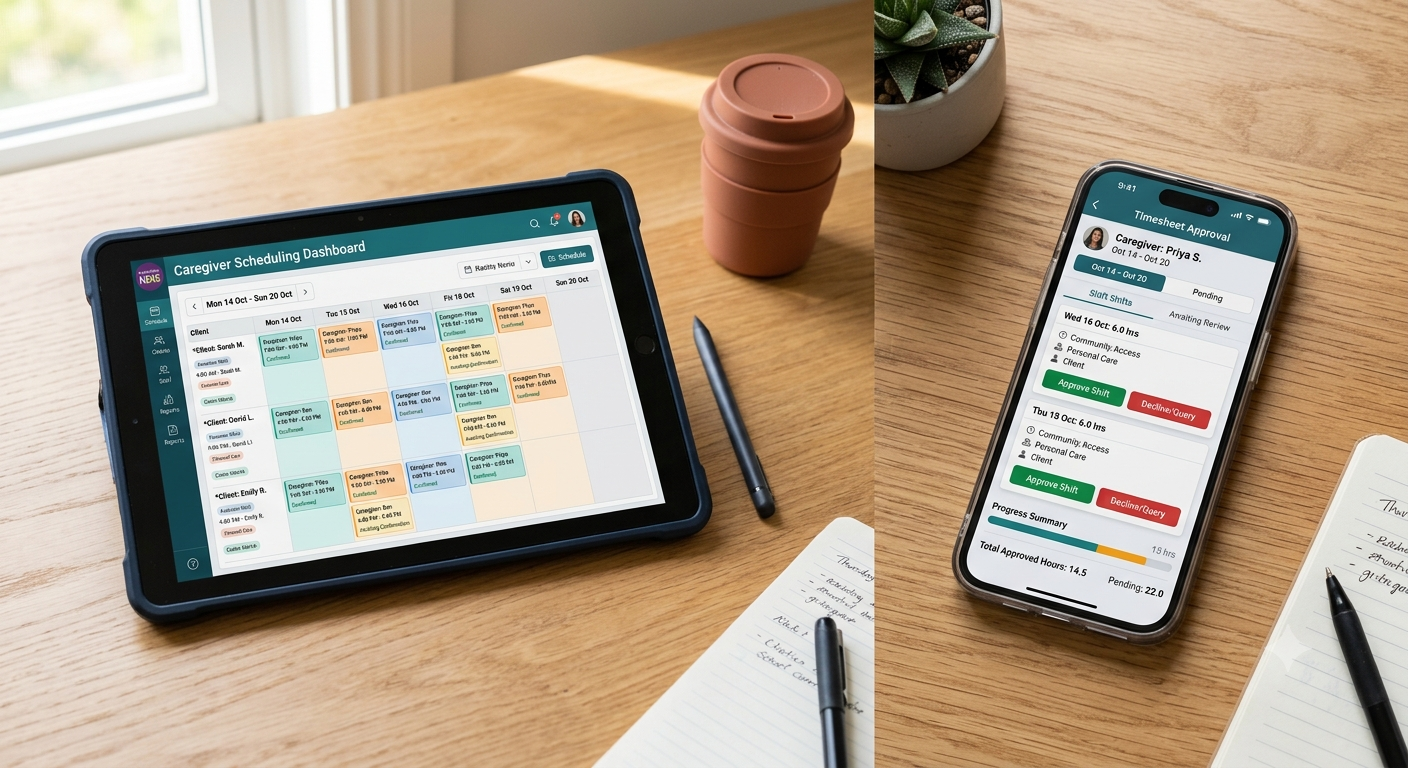
Spreadsheets are prone to formula errors, manual calculation mistakes, and version control problems. Moving to a compliant payroll system is worth the setup cost and monthly subscription. Many providers also find that care-specific payroll systems integrate better with rostering tools, so hours worked are automatically fed into payroll, reducing manual entry and error.
Step 4: Audit Your Current Payroll
Conduct a payroll audit by pulling the last three months of payroll data and checking it against SCHADS requirements.
For each worker, verify:
- Is the worker classified correctly?
- Is the hourly rate meeting the Award minimum for that classification?
- Are penalty rates being applied correctly?
- Are leave entitlements accruing and being tracked?
Start by cross-checking classifications with job descriptions or performance reviews. If a worker’s classification doesn’t match the work they’re doing, update it. Then calculate the gross pay for several weeks of work and ensure that the hourly rate (including penalty rates) meets the Award minimum.
If a worker has been underpaid in the past, you may have a liability that should be addressed. Many providers consult with a payroll specialist or solicitor if they discover past underpayment, because it can trigger back-pay obligations.
Documentation is critical. Keep records of your audit process, any discrepancies found, and remediation steps taken. If a regulator or Fair Work inspector asks about compliance later, you want to demonstrate that you took the issue seriously and corrected it promptly.
Step 5: Communicate Classification and Award Rates With Your Team
Once you’ve verified compliance, communicate the update to your team. Transparency builds trust.
What to communicate:
- Their classification
- Their award rate
- When rates are reviewed
If you’ve discovered that a worker was under-classified or underpaid, communicate directly with that worker about the correction and the back-pay due. These conversations, while sometimes uncomfortable, are essential for morale and legal compliance.
Also ensure that new workers understand the Award classification structure when they join. During onboarding, explain what classification they’re in, what the hourly rate is, and how penalty rates and leave work. This prevents surprises and disputes down the line.
Many providers include Award information in the offer letter and first-week induction materials.
Stop SCHADS Compliance Issues Before Fair Work Comes Knocking
SCHADS Award compliance protects both your workers and your organization from claims, penalties, and reputational damage. ShiftCare’s rostering scheduler integrates with payroll systems to simplify the flow of hours worked into payroll, reducing manual error and compliance risk.
Start your free trial today. See how ShiftCare helps care providers maintain SCHADS Award compliance without spreadsheets or manual calculations.