Picture this: a mid-sized residential aged care service with 60 residents has just navigated the transition from Home Care Packages to Support at Home. The scheduling chaos hits fast. One shift is covered by a worker who has COVID. Another team member calls in with a family emergency. The care coordinator is spread across roster changes, compliance checks, and sudden re-planning conversations with participants.
Within hours, the operational friction becomes obvious: the old system didn’t prepare them for this new program’s complexity.
Support at Home operations, which began reshaping aged care delivery from 1 July 2025, bring genuine benefits to older Australians. The program promises better choice, flexibility, and person-centred care. But for aged care providers, the operational reality is demanding. Staffing models are shifting. Compliance obligations are layering up. Technology expectations are rising. Here’s what successful Australian aged care services are doing right now to manage Support at Home operations effectively.
What Changed With the Support at Home Transition

Support at Home replaced Home Care Packages (HCP) and Short-Term Restorative Care (STRC) and fundamentally alters how aged care services bill, roster, and report. Under the old system, services received fixed-rate funding for care packages, and flexibility existed within clear boundaries.
Support at Home operates differently. Funding is participant-centred and outcome-based. Services must demonstrate that every dollar is delivering against agreed goals and activities. The transition has caught some providers off guard because it’s not just a rebrand, it’s a business and operational model shift.
The compliance layer is where Support at Home operations get challenging. The new Aged Care Quality Standards (v2) introduced stricter evidence requirements:
- Demonstrate staff competency against specific roles
- Maintain accurate service delivery records that match invoicing
- Show clear participant consent and engagement in care planning
This is not optional. The Aged Care Quality and Safety Commission has signalled that 2026 audits will focus on Support at Home transition compliance specifically.
Staffing Models That Work
Traditional fixed-shift staffing models are struggling under Support at Home. The program rewards flexibility and participant-led scheduling, which means services need workforce structures that can scale up or down based on participant activity.
Leading Australian providers are adopting hybrid models: a core workforce on permanent contracts for continuity, plus a qualified casual pool for flexibility. This isn’t a new concept, but the ratios matter. Services running lean on permanents often struggle when a long-term participant’s care plan changes mid-cycle.
Workforce planning also needs to account for the new Support at Home service categories:
- Clinical care
- Personal care
- Domestic assistance
- Social support
- Respite
Each has different staff qualification requirements and hourly rates. Your rostering system needs to handle this complexity without creating scheduling errors. Manual spreadsheets or basic calendar tools won’t cut it.
Compliance Requirements for Support at Home Operations

The Support at Home compliance burden sits on top of existing aged care requirements, and some providers are underestimating the documentation load.
Every service hour must be recorded with specific details:
- What activity was delivered
- Who provided it
- Against which care plan goal
- What the participant engagement was
The old timesheet approach doesn’t work. Services need activity-based recording that ties back to the participant’s agreed goals.
Incident reporting under the new Standards requires more detail and faster escalation than before. A missed medication isn’t just a clinical issue, it’s a potential Standard 2 breach (Ongoing Assessment and Planning) that needs documenting, investigating, and reporting within specific timeframes.
Providers with strong incident management processes handle this well. Those still using paper-based systems often miss the reporting windows.
Digital Tools Supporting the Transition
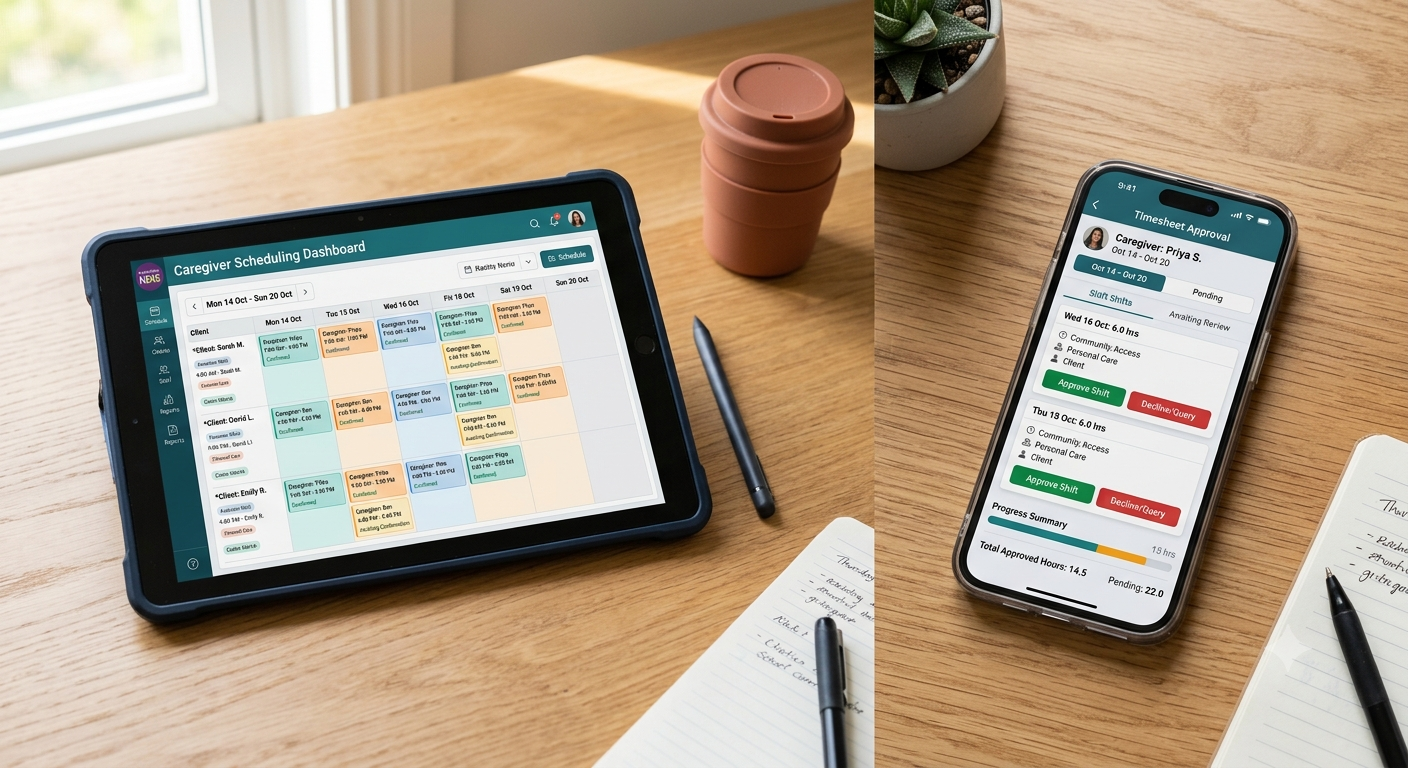
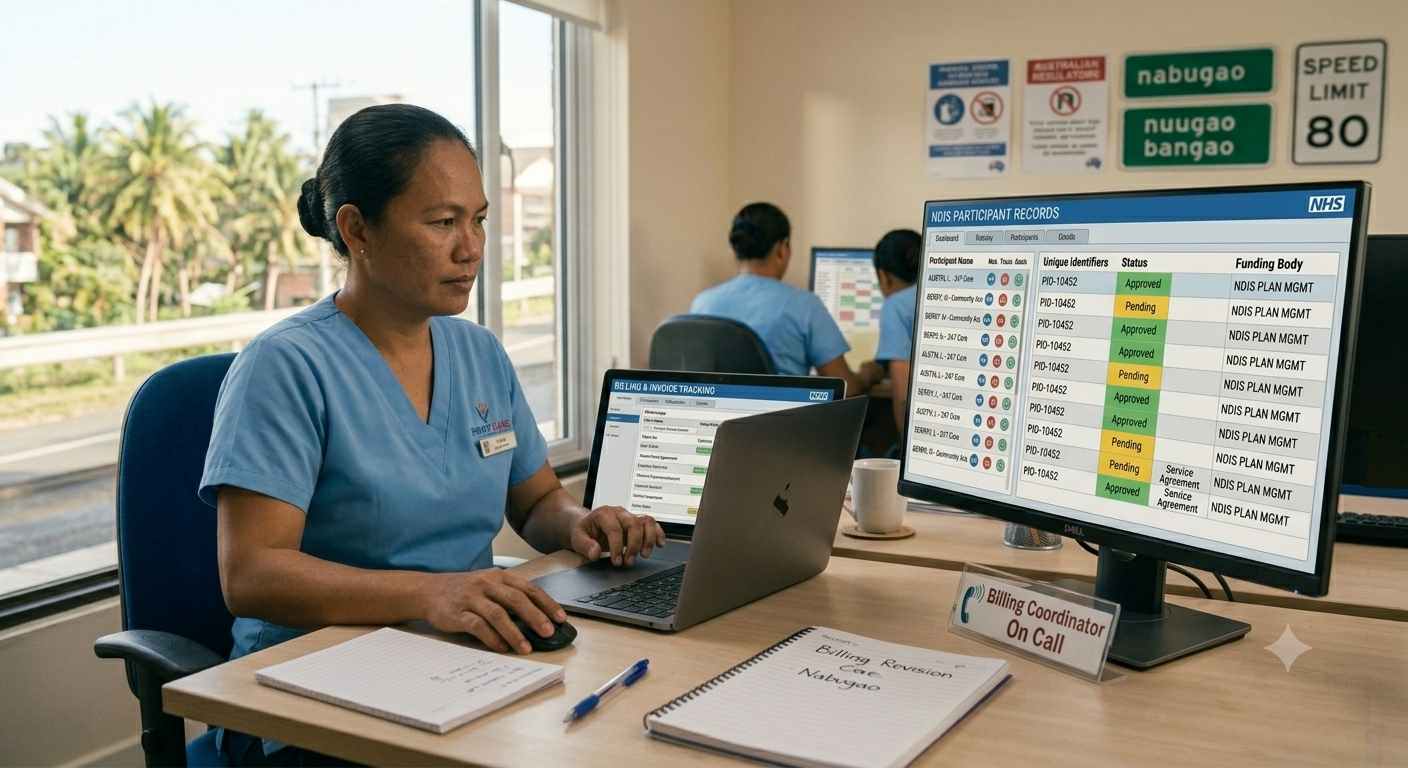
The providers managing Support at Home successfully share a common trait: they’ve invested in digital infrastructure before being forced to. Roster management, care planning, compliance reporting, and participant communication all benefit from integrated systems. NDIS and aged care software designed for Australian providers typically covers these functions, but the key is integration. Tools that work in silos create more work, not less.
Real-time visibility is the other piece. Managers need to see who’s working where, what care is being delivered, and where compliance gaps are emerging. Dashboards and mobile apps for support workers are now standard expectations, not nice-to-haves. Participants and families expect the same transparency: they want to see when visits happen, who’s coming, and what’s being delivered.
Service Delivery Essentials
Support at Home service delivery requires three things to run smoothly: accurate planning, consistent execution, and evidence-based reporting.
Accurate Planning
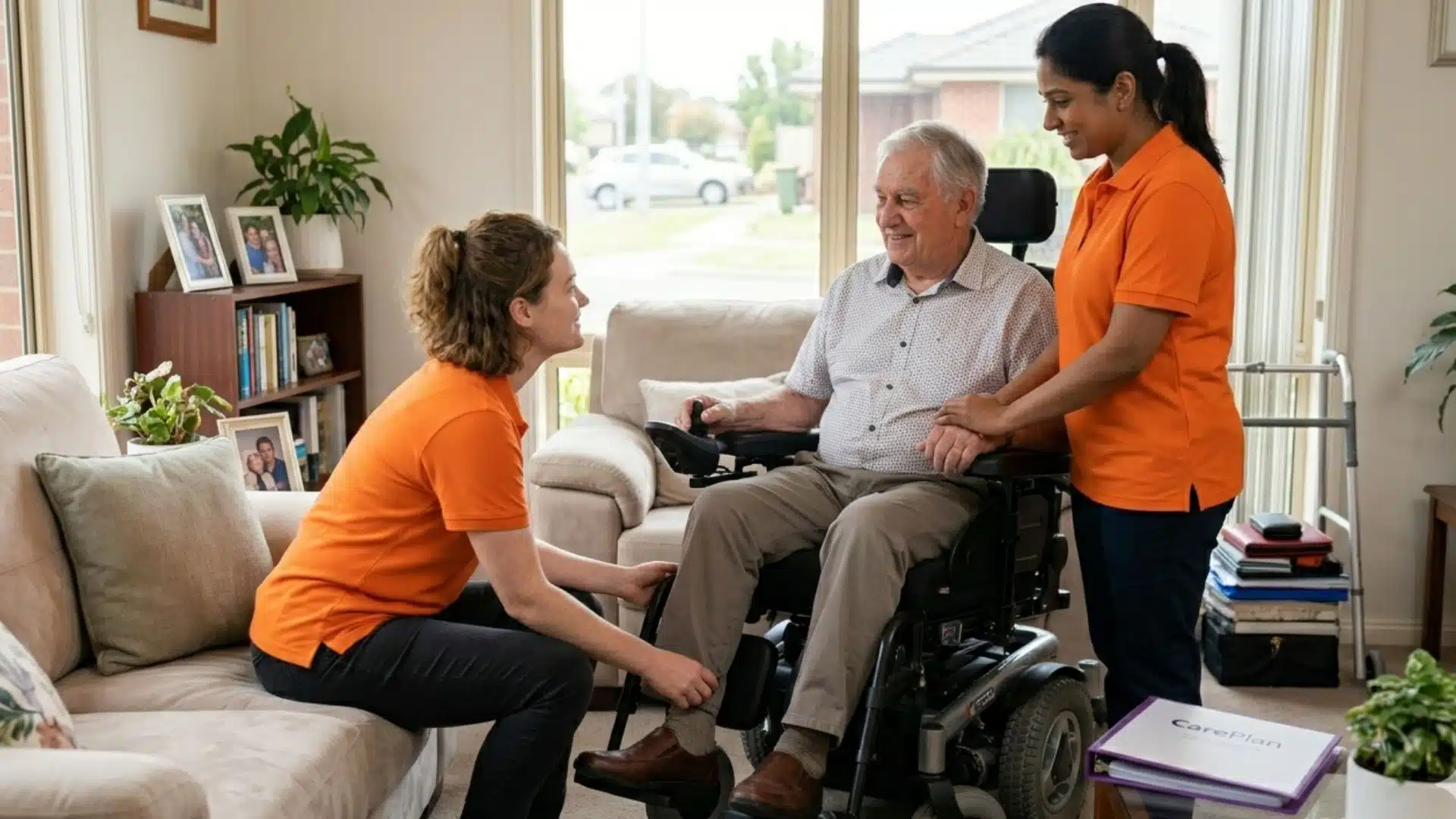
Planning starts with participant conversations, not internal assumptions. Services running comprehensive care plans tied to assessment outcomes are meeting compliance requirements more easily than those using templates.
Consistent Execution
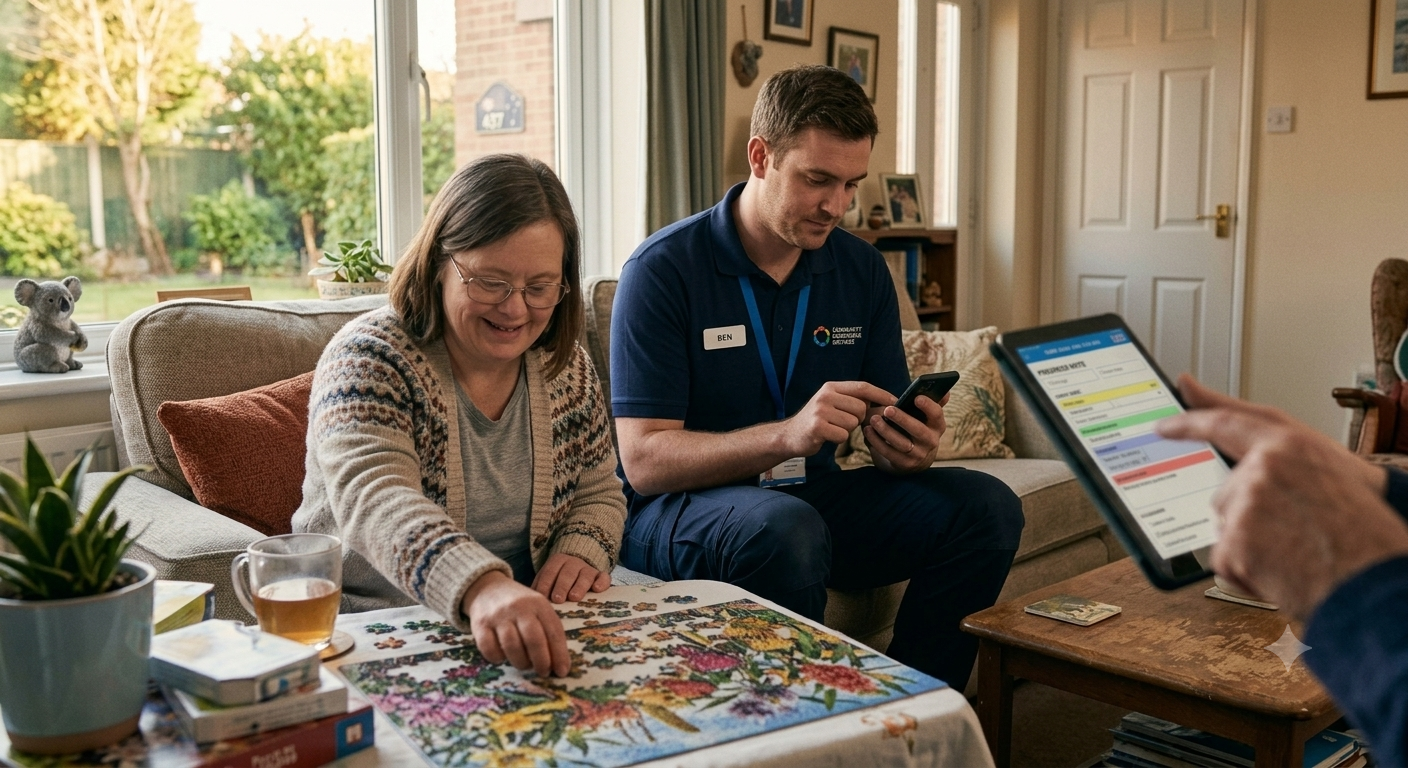
Support workers arrive on time, deliver the agreed care, and record accurately. This requires training, clear communication, and systems that make documentation straightforward. If recording takes 20 minutes per visit, workers skip it or rush it. If it’s three taps on a mobile app, it happens naturally.
Evidence-Based Reporting
Your reports to the Commission, to families, and for your own quality improvement need to tell a clear story: participant had goal X, we delivered activities A, B, C, the outcome was Y. If your current reporting can’t do this easily, it’s time to review your systems.
Managing the Workforce Shift Under Support at Home
Aged care workforce challenges aren’t new, but Support at Home is intensifying them. Providers report struggling to attract and retain qualified workers, particularly registered nurses and allied health professionals. The program’s emphasis on individualised care means the skill mix required is often higher than under the old system.
Providers investing in workforce development (training, career pathways, flexible work arrangements) are retaining staff better than those competing purely on wages.
Casual worker management is another operational pain point. Support at Home rewards services that can match the right worker to the right participant, but that requires detailed worker profiles, qualifications tracking, and availability management. Services still using basic systems struggle here.
Stop Operating Support at Home on Legacy Systems
Support at Home is reshaping aged care operations. The services managing it successfully are those investing in staffing flexibility, compliance infrastructure, and digital tools now. If your service is still operating on spreadsheets and rigid staffing models, the operational burden will only grow. ShiftCare’s rostering and compliance tools help aged care providers manage participant-centred scheduling and activity-based recording without manual tracking.
Start your free trial today. See how ShiftCare helps Australian aged care services manage Support at Home operations with integrated rostering, compliance, and reporting.