The Support at Home program replaces existing home care packages from 1 July 2026, with billing structures, reporting requirements, and service categories changing substantially.
What is the Support at Home program, and how does it change aged care billing? The Support at Home program replaces the Home Care Packages Program from 1 July 2026, moving from time-based packages to outcome-focused funding. Billing is now transaction-based, requires more frequent claims submission, and involves more granular service coding and outcome reporting.
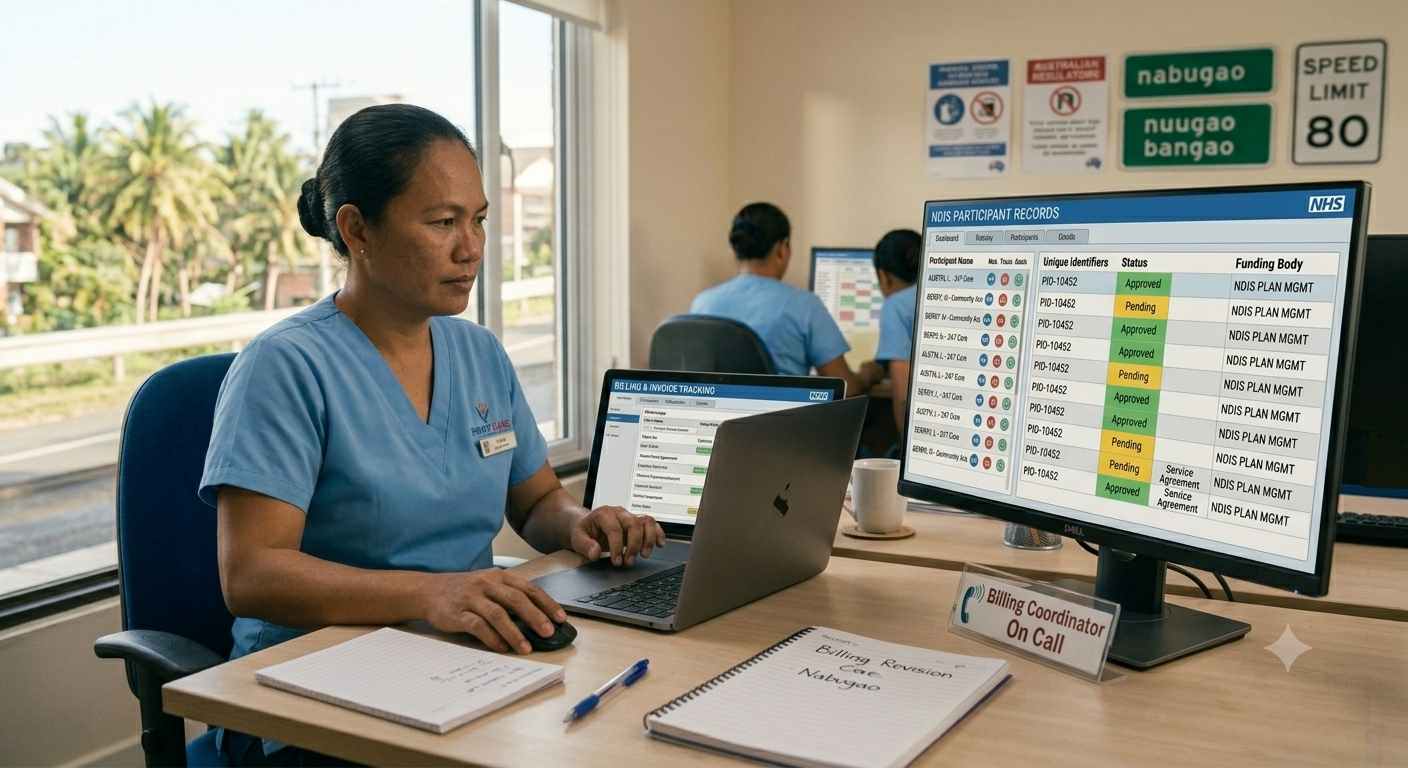
The billing team that handled monthly or quarterly reconciliation under the old system now needs to manage claims that align with specific support delivery sessions, often weekly or bi-weekly. Service codes that were previously grouped under broad categories are now more specific, requiring staff to code services with greater precision. Reporting that once happened quarterly now happens monthly or on-claim.
Understanding the New Billing Structure
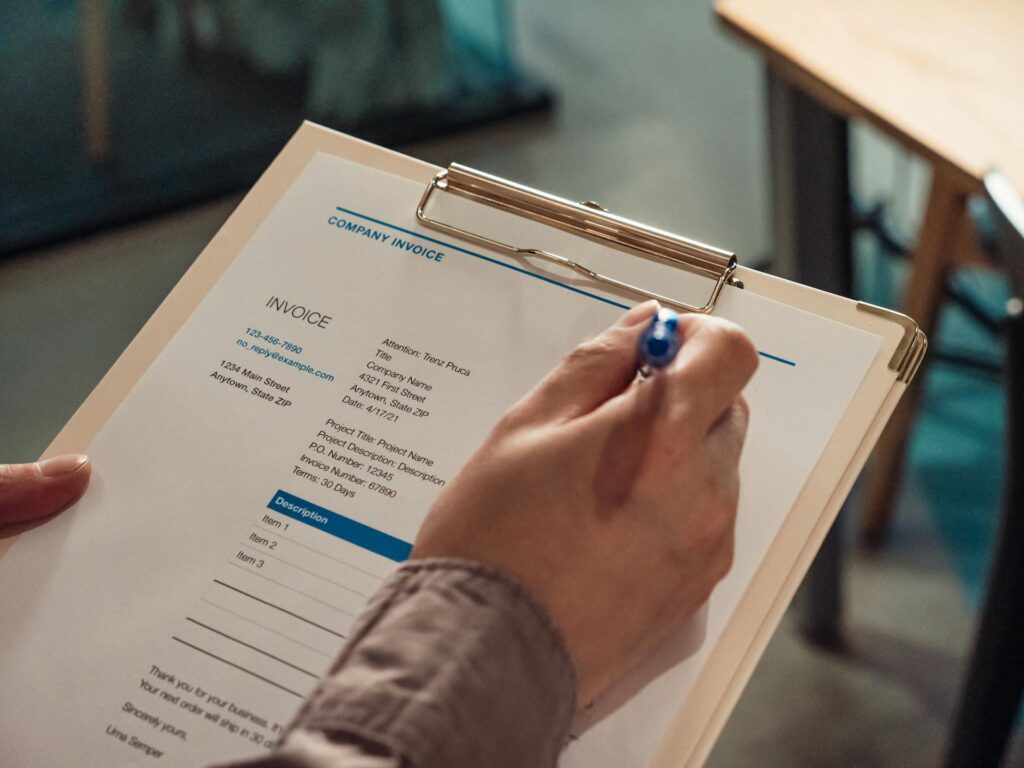
The Support at Home program’s billing structure is more transaction-based. Rather than submitting one quarterly claim for a quarterly package allocation, providers now submit claims reflecting services actually delivered within a claim period.
Your billing system needs to capture service delivery at sufficient granularity to map to specific billing codes. Claims need to be submitted within specified windows, typically within a week or two of service delivery. This creates a more frequent billing cycle, which is excellent for cash flow but demanding of accurate, timely documentation.
The Government now expects providers to track actual funding utilisation against plan limits, report on unspent balance, and ensure claims never exceed authorised amounts. Service codes are more specific and require greater accuracy. If your staff is coding incorrectly, claims may be rejected.
New Reporting Requirements and Compliance

Support at Home introduces monthly reporting requirements that are more granular. Providers must report not just on services delivered, but on service outcomes, participant satisfaction, and alignment with individual goals.
Your documentation system needs to capture not just what services were delivered, but how they were delivered and what outcomes resulted. A “delivered personal care 1 hour” entry doesn’t meet the reporting standard. The Government is actively investigating home care billing to prevent fraud and overcharging. The stakes are higher under Support at Home.
Updating Your Service Codes and Documentation
Start by mapping your current service offerings to the Support at Home service codes. Work with your service delivery leads in understanding which codes apply to which services. The term “personal care” might map differently depending on whether it’s showering, continence support, dressing, or mobility assistance.
Next, update your documentation templates. If your current templates ask “What service was provided?”, then you need templates that also capture what codes apply and what the outcome was. Providers using integrated care management software can map service delivery records to Support at Home codes automatically and alert managers if a claim approaches plan limits.
Preparing Your Team
Start with your billing and administration team. They need to understand the new system end-to-end. Move to your support workers and supervisors with training on the new documentation standards. Create a transition plan that includes rollback scenarios.
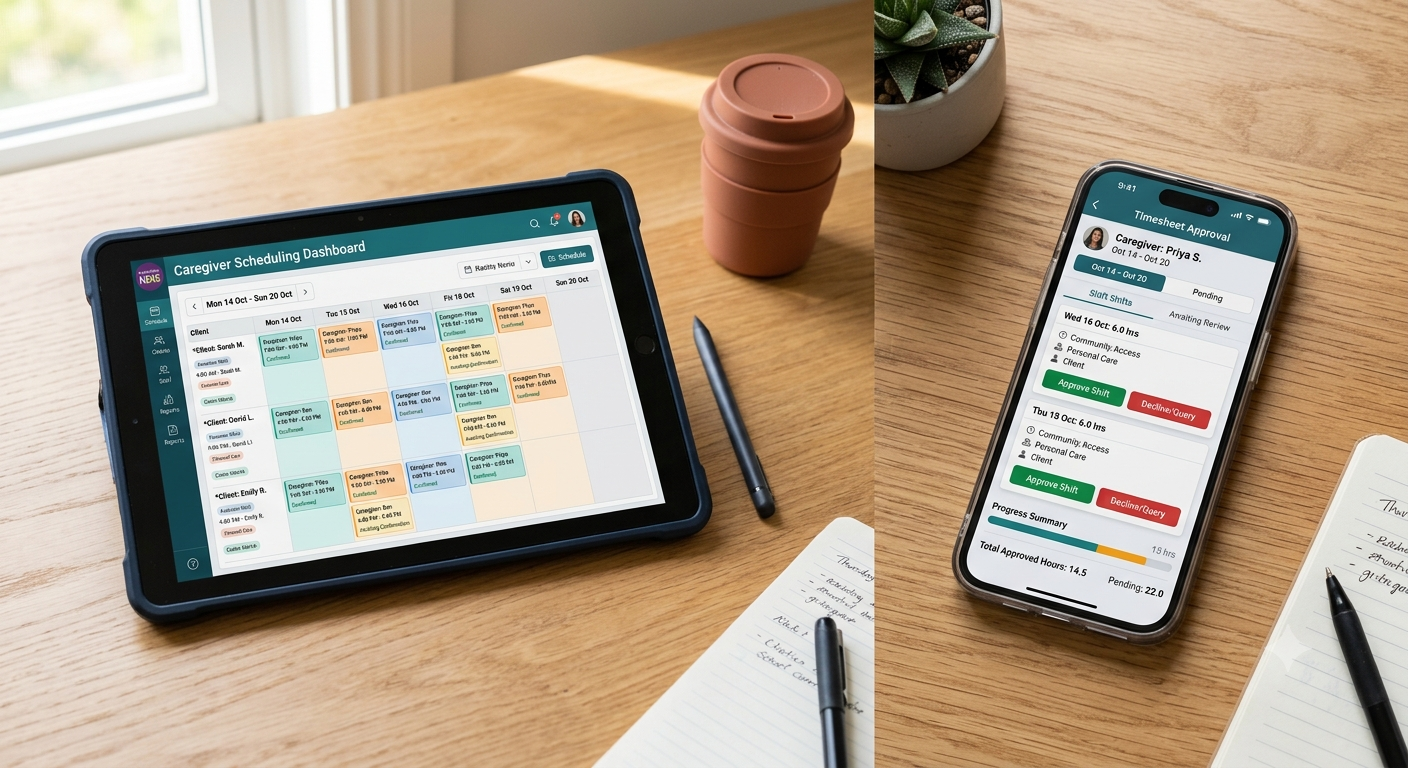
Modern rostering software that integrates with billing means that when a shift is scheduled and completed, billing information flows automatically. Your scheduling system generates accurate billing codes. Real-time budget tracking prevents claim errors.
FAQs About Support at Home Program Changes
When exactly does Support at Home start and when must billing change over?
The program launches 1 July 2026. Providers must transition all billing to the new structure on or before that date. There’s a transition window, but it’s tight. Begin preparation now if you haven’t already.
How often will I need to submit billing claims under Support at Home?
Claims are typically submitted weekly or bi-weekly (within 7–14 days of service delivery), compared to quarterly submission under the old system. A more frequent cycle improves cash flow but requires more robust documentation and billing automation.
What happens if I submit a claim with incorrect service codes?
Support at Home has stricter validation. Claims with incorrect codes are rejected, causing payment delays. When resubmitted with correct codes, there may be processing delays. Automated code mapping in your software prevents coding errors before submission.
Start Your Transition to Support at Home Today With ShiftCare
The Support at Home program transition is one of the most significant operational shifts Australian aged care providers will navigate this year. Moving from quarterly billing cycles to weekly claims, broad service categories to granular coding, and simple time reporting to outcome documentation requires systems that handle the complexity automatically.
Let’s simplify the process. ShiftCare’s integrated care management platform maps service delivery to Support at Home codes, tracks plan utilization in real time, and enables frequent claim submission without overwhelming your billing team.
Start a free trial today! See how to streamline your transition to SaH without adding administrative burden to your team.