Immediate and Existing Client Base
One of the primary advantages of buying an established NDIS provider is the instant access to an existing client base. With clients already onboard, you’re starting with a built-in revenue stream, giving you a foundation to build upon rather than starting from scratch. This can mean quicker returns on your investment by maintaining service continuity for NDIS clients.
Trained Staff and Established Operations
An existing business often comes with a team of trained support workers, as well as established administrative staff. A well-organised workforce can minimise hiring and training costs, helping you deliver consistent service right away.
Additionally, with operations like rostering, invoicing, and compliance processes already in place, the transition can be smoother and less time-intensive. These factors are crucial for running a successful NDIS business.
Proven Systems and Software
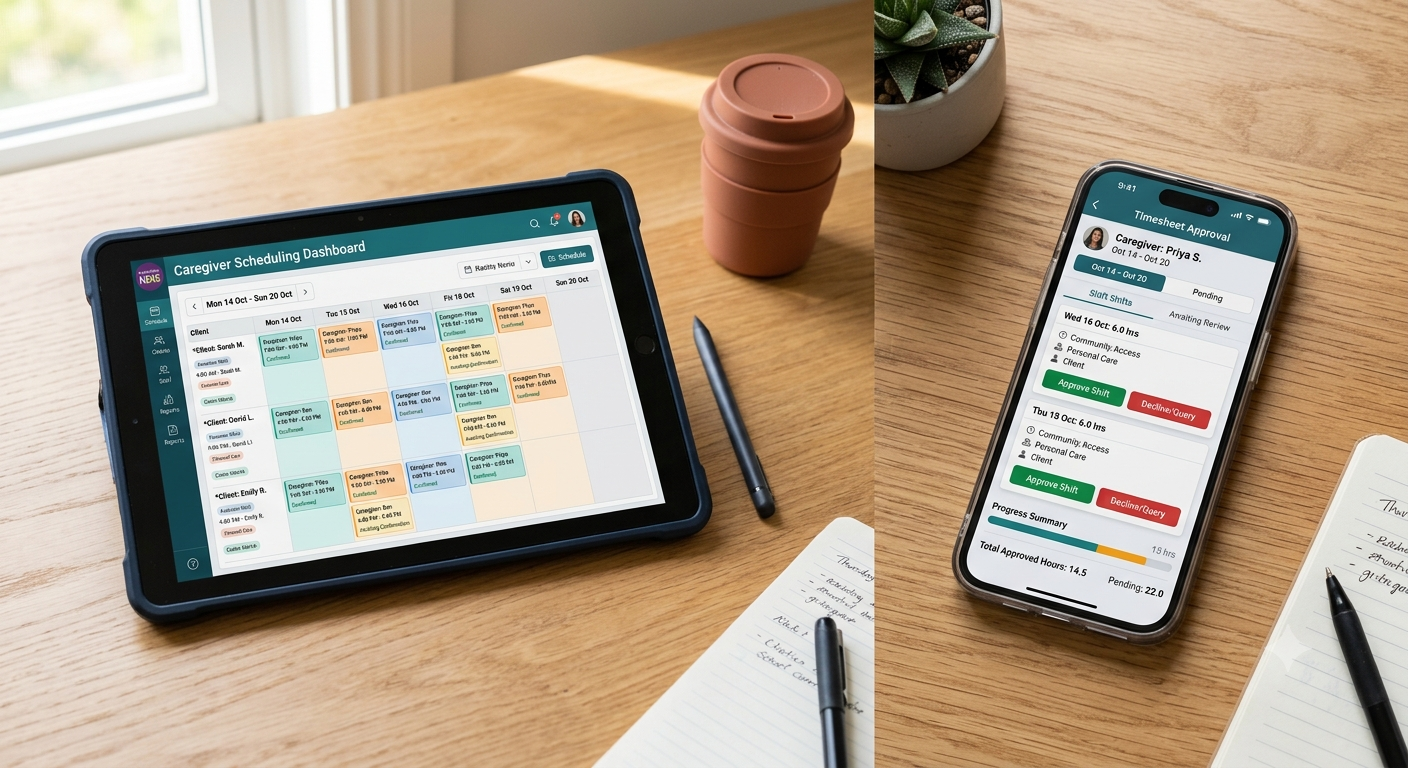
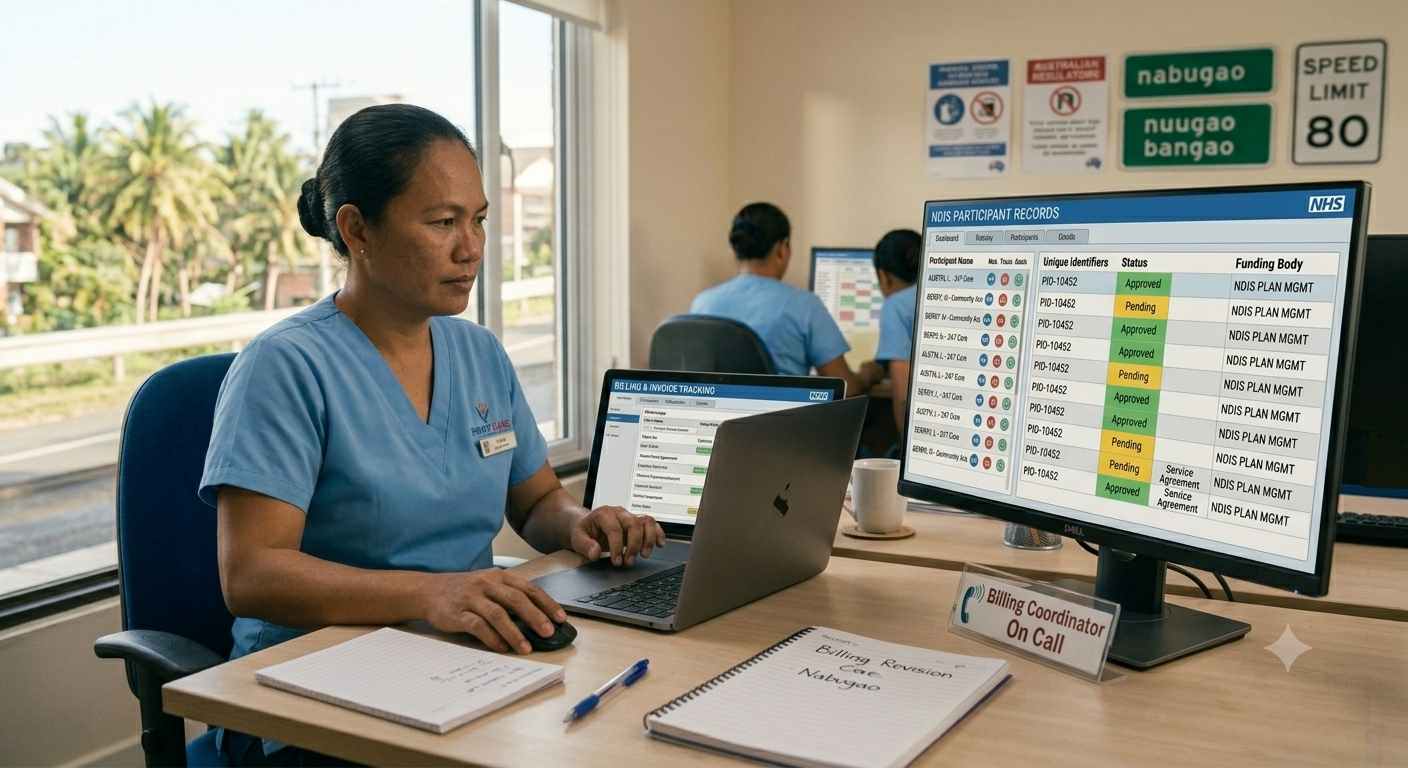
Established NDIS businesses usually have systems in place for managing client information, shift scheduling, timesheets, and compliance documentation. By taking over these systems, you reduce the initial setup costs and ensure continuity in client service. Look for software that’s NDIS-compliant and user-friendly, as it will be central to daily operations and efficient management.
Understanding the marketplace and the unique opportunities and challenges within the NDIS sector is crucial, as various NDIS business plays are essential in providing diverse services that enhance the lives of individuals with disabilities.
Brand Recognition
If the provider has a positive reputation in the community, you’ll benefit from its established brand recognition. This can give you a head start in building trust with existing clients and attracting new ones, helping you grow faster. Check client feedback or satisfaction scores, as this will give insight into the business’s reputation and areas where you might need to improve.
Understanding the NDIS Business Landscape
Evaluating an NDIS Business for Sale
Financial Health and Performance
When considering an NDIS business for sale, a thorough evaluation of its financial health and performance is crucial. Start by examining the business’s financial statements, including the income statement and balance sheet, to gain insights into its revenue streams, expenses, and overall profitability. Analysing cash flow and funding arrangements is also essential to ensure the business has a stable financial foundation.
Additionally, comparing the business’s financial performance against industry benchmarks can provide valuable context and highlight potential growth opportunities. This comprehensive financial assessment will help you make an informed decision and identify any potential risks associated with the acquisition.
Service Offerings and Delivery
Assessing the service offerings and delivery of an NDIS business is another critical step in the evaluation process. Review the types of services provided, such as support with daily living, personal care, and community participation, to ensure they align with market demand and NDIS participants’ needs. Evaluate the quality of these services by examining client feedback and satisfaction scores. It’s also important to assess the business’s service delivery model, including staffing, training, and operational processes, to ensure they are efficient and effective.
Understanding the business’s relationships with NDIS participants, families, and carers can provide additional insights into its reputation and potential for growth. This thorough evaluation will help you determine the business’s capacity for delivering quality service and achieving long-term success.
The Acquisition Process
Acquiring an NDIS business involves several key steps, each critical to ensuring a successful transition. The process begins with due diligence, where you conduct a comprehensive review of the business’s financial, operational, and strategic performance to identify potential risks and opportunities. This step is crucial for understanding the true value of the business and any challenges you may face. Next, the negotiation phase involves agreeing on the terms and conditions of the sale, including the purchase price, payment terms, and any conditions or warranties. Effective negotiation can help secure favorable terms and protect your investment.
Finally, the settlement phase involves completing the sale and transferring ownership of the business. Throughout the acquisition process, it’s essential to work with experienced advisors, such as lawyers and accountants, who specialise in the NDIS sector. Their expertise can help navigate the complexities of the acquisition and ensure a smooth and successful transition into your new NDIS business venture.
Challenges of Buying an Established NDIS Provider
Compliance and Regulatory Risk
An existing business may come with legacy compliance issues, such as unaddressed complaints or incomplete documentation. Ensuring compliance with NDIS standards is essential, so conduct a thorough audit of the provider’s past compliance history. Any past issues could impact your ability to operate smoothly or even maintain the business’s NDIS registration.
Potential Cultural Misalignment
The business you buy may have a culture that doesn’t fully align with your values or management style. This can lead to challenges in building rapport with staff or making changes to improve client satisfaction. If the existing culture doesn’t align with your goals, you may need to work on a gradual transition plan to create a cohesive environment that benefits both clients and staff.
Staff Retention Concerns
While taking over a trained workforce is advantageous, there’s also the potential risk of staff turnover. Changes in ownership can create uncertainty, leading some staff members to consider other opportunities. Understanding the team’s needs and priorities, and communicating clearly about your plans for the business, can help retain valuable staff during the transition.
Financial Transparency and Business’s Financial Performance
While you gain a revenue stream with an established business, it’s crucial to ensure transparency in the business’s financial health. Look closely at revenue patterns, outstanding debts, and client payment histories to ensure there are no financial risks that might affect profitability. Consulting an accountant with NDIS experience can be invaluable in assessing the financial standing of the business.
Client Satisfaction and Retention
When purchasing an NDIS provider business, ensuring client retention should be a priority by maintaining high-quality NDIS services. A smooth transition is vital to maintaining client trust and satisfaction. Any issues with past service quality or client care may affect retention rates. Addressing these concerns early and maintaining clear communication with clients can help foster loyalty and confidence in your leadership.
Making the Right Choice
Buying an established NDIS provider has both significant advantages and challenges. By conducting thorough due diligence, you can identify any potential risks and ensure the business aligns with your goals and values. Understanding the existing operations, compliance history, staff satisfaction, and client loyalty will give you the insights needed to make an informed decision. Additionally, staying informed about industry trends within the NDIS sector is crucial to navigate evolving client expectations and regulatory requirements.
Taking over an established provider can be a rewarding and impactful investment, as long as you’re prepared to address the unique challenges that come with it.
Ready to make managing your NDIS provider business easier? ShiftCare’s all-in-one software simplifies rostering, invoicing, compliance, and more, so you can focus on what matters—providing quality care.
Sign up to ShiftCare’s 7-day free trial
NDIS FAQ’s
How does buying an NDIS provider differ from starting a new one?
Buying an NDIS provider gives you an existing client base, trained staff, and established systems, which can reduce setup time and costs. However, you’ll need to assess any compliance, financial, or cultural issues that may come with the existing business.
What are common risks associated with purchasing an NDIS provider business?
Common risks include compliance issues, financial liabilities, and staff turnover. Unresolved compliance problems or outstanding debts can impact your ability to maintain NDIS registration and operate effectively.
Can I change the services offered by the NDIS provider after purchase?
Yes, you can adjust the services offered, but any significant changes may require an update to the NDIS registration and client contracts. Ensure all service adjustments remain compliant with NDIS standards.