Compliant care plans are the backbone of the Strengthened Aged Care Quality Standards. They must translate high-level consumer goals into specific, actionable daily support that auditors can verify.
What does it mean to deliver “good” aged home care services and proper care? The Aged Care Quality and Safety Commission requires more than just “good” care. It requires evidence of person-centred practice – generic, “set-and-forget” plans are no longer sufficient. They apply to at-home care service providers and aged care facilities alike. Every older Australian deserves to be treated with dignity and respect.
As a care professional, it’s imperative that you train your staff on the updated Aged Care Quality Standards (ACQS) framework. Non-compliance could lead to improper care, delayed payments, and potential audits. Here are some practical tips to write individualised, compliant care plans that will help you to stay compliant (and most importantly) deliver unique, personalised care.
1. Start With a Structured, Person-Centred Assessment
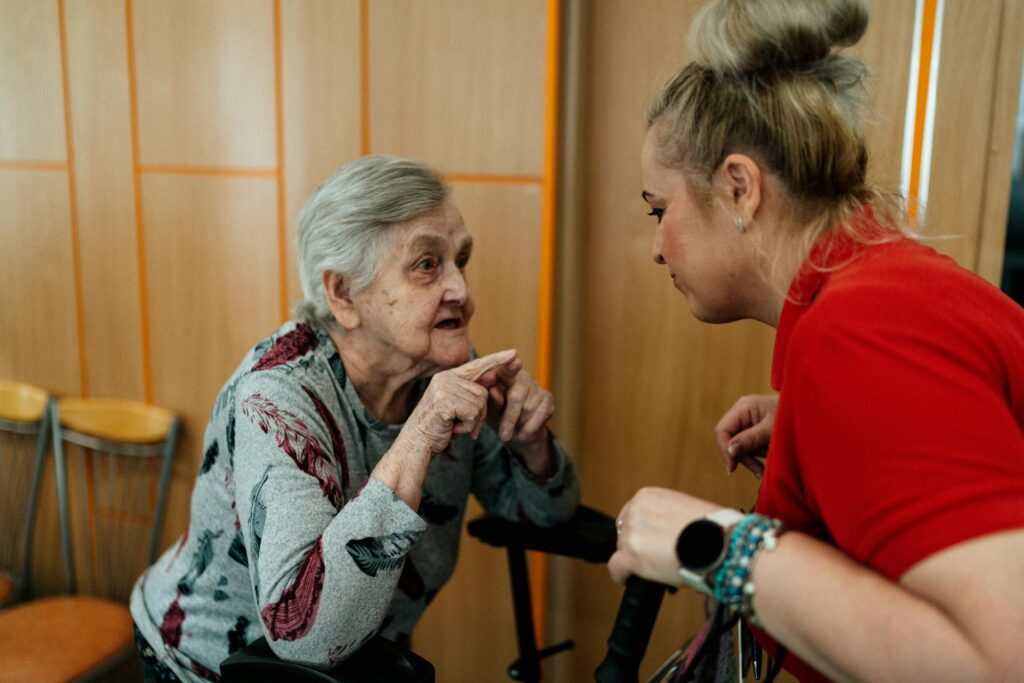
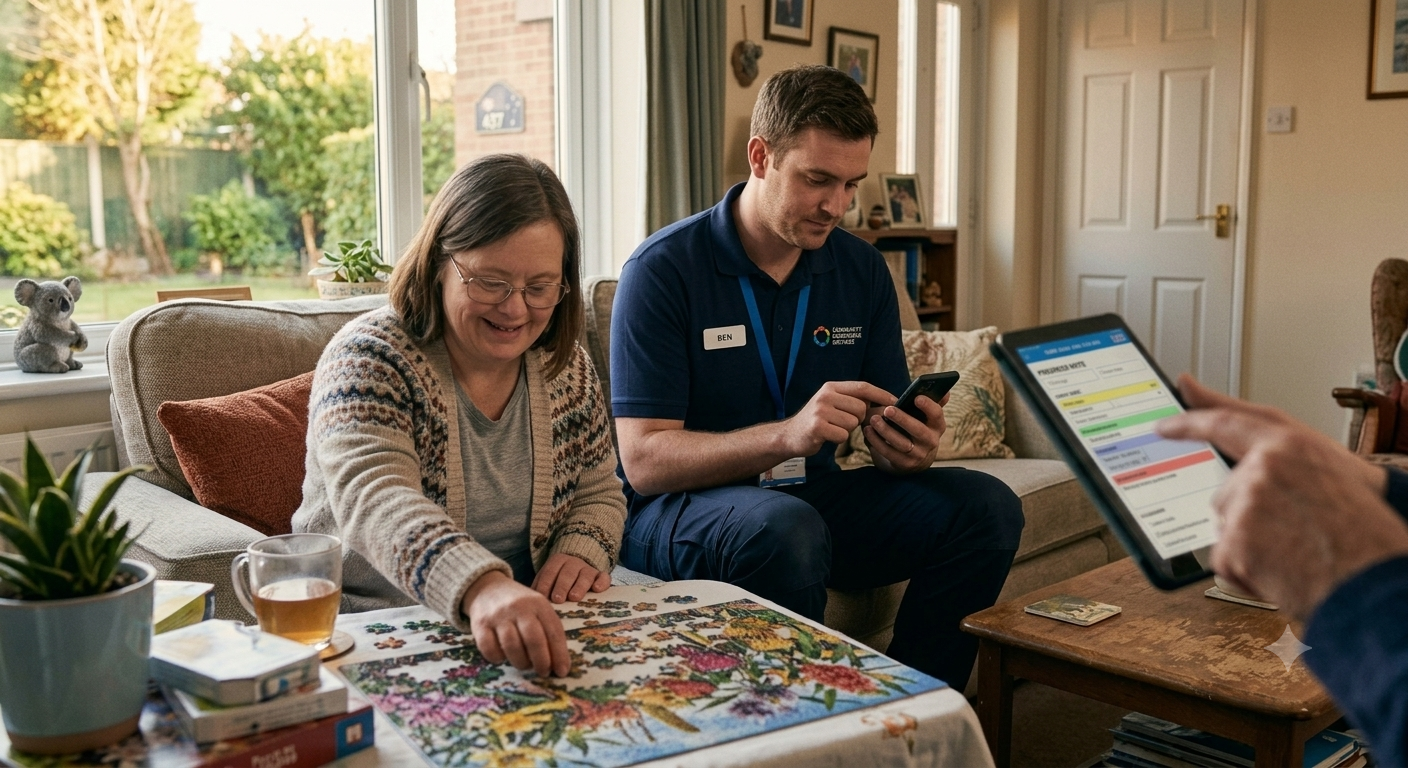
Individualised care planning goes beyond a client’s clinical needs. Apart from their prescribed medication and treatment methods, your approach should reflect their identity, lived experience, and expressed preferences. The goal is to understand the individual and put them at the center of care planning, so that you can assist them properly.
To deliver person-centred assessments, do your research and prepare your questions beforehand. Strive to demonstrate choice and control. Your consultation should revolve around their preferred daily activities, timing of support, privacy expectations, and participation in the planning stage.
2. Translate Goals Into Actionable Daily Tasks
After conducting a person-centred assessment, use the client’s answer to write an individualised care plan. The agreed goals should dictate the daily practices and support you deliver. To ensure consistency, explicitly outline what actions to take, when, and how often to support clinical and well-being outcomes, among other goals.
- Clinical Care: Clinical goals related to health conditions must be linked to documented clinical interventions. Make sure your carers outline the medication assistance, mobility support, wound care, or monitoring tasks they deliver, with clear responsibility and review points.
- Nutrition: Nutrition-related goals must translate into practical support systems, such as meal preparation assistance, texture modifications, hydration prompts, or monitoring intake. Likewise, the plans should document dietary progress and how the information is captured.
3. Document Risks and Clinical Controls Explicitly

Explicitly document all potential and identified risks. Link incidents like falls, medication errors, pressure injuries, and missed medication to documented controls. With adequate guidance, carers can respond with the appropriate actions.
Note that you must separate clinical vs. lifestyle tasks. Auditors look for clear distinctions between flexible support (e.g., social outings) and strict clinical adherence (e.g., medication timing). For example, mobility exercises can be adjusted around specific requests, but you must administer prescribed medication at the correct timing with the
4. Maintain Real-Time Digital Audit Trails
Care plans must reflect all changes in the client’s home. Record hazards, accessibility issues, and modifications so that carers can help maintain a safe environment. They’ll use these to adjust support as needed. Static paper plans fail audits. Use digital tools to timestamp every update. If a client’s mobility changes, the care plan must reflect it immediately to prove responsive care.
Apart from creating a clean and safe physical space, carers should also be equipped to deliver the appropriate care services. You should have:
- Equipment that meets the needs of older people
- Effective systems to prevent and control infections
- Systems to capture and log incidents as they occur, as well as documented processes for responding to incidents
5. Document Ongoing Family Consultation

When creating Care Plans, it’s important to keep care recipients and their families involved at all stages, from creating the initial plan, to review periods or ad hoc changes. Record what changes were agreed upon, who approved them (the care recipient or their family/representative), and when they will be implemented or reviewed. Also, always attach version updates to your care notes to ensure there is a history available. Your carers and staff can use these insights to deliver personalised services, support cultural identity, and foster meaningful engagement.
Automate Compliance with the Right Care Management System
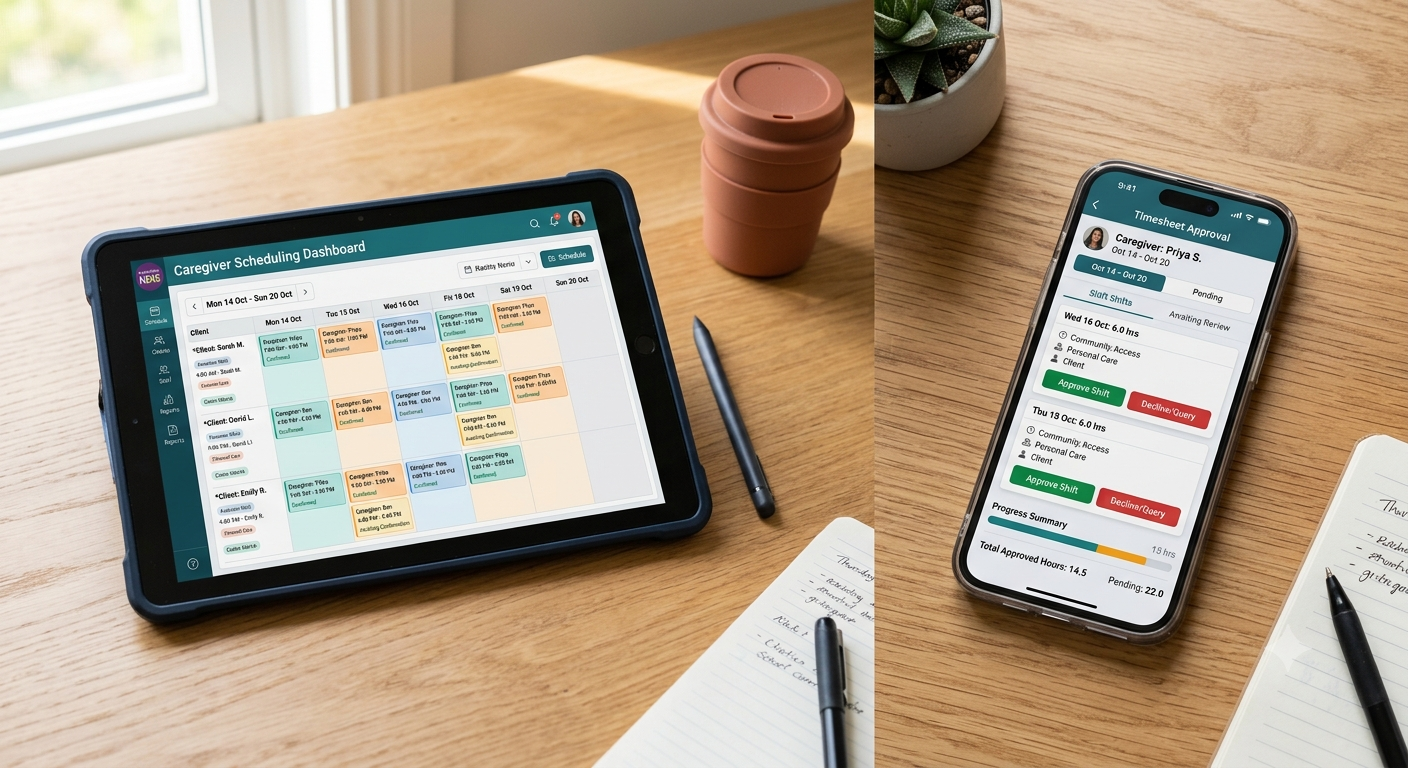
Simplify compliance with the right tools. ShiftCare is a structured care management system that helps aged care providers transform complex needs into clear, actionable steps in a centralised system. Our platform connects care planning and delivery, with reporting, scheduling and billing, ensuring providers can manage end-to-end care.
See the difference yourself but starting a free trial today. Empower your care team to deliver individualised care plans with confidence, aligned to the new strengthened Aged Care Quality Standards.