Most providers think they have a finance problem. They don’t. In reality, they have an operations problem that finance discovers too late. It’s usually found at the end of a pay run, during an audit, or when the monthly report comes back and nobody can explain the gap.
The numbers don’t lie. They just arrive after the damage is done.
The Market Isn’t Getting Easier

NDIS price caps are fixed, labour costs are rising, and compliance obligations keep expanding. For aged care providers, the picture is similar: margin compression on every side, care management caps tightening, and admin burden increasing quarter on quarter.
There is no pricing lever to pull. NDIS support prices are set by the NDIA. Aged care funding is determined by government assessment. You cannot charge more to cover operational waste.
If price cannot change, operations must.
The Leaks Destroying Your Margin
Most margin loss in NDIS and aged care doesn’t come from one catastrophic failure. It comes from five small, systematic failures happening across every shift, every week, across your entire roster.
Leak 1: Overtime That Shouldn’t Exist

Overtime is the most visible leak, and it’s rarely caused by genuine demand.
The root cause is almost always rostering: insufficient visibility into who is approaching their hours threshold, late shift overruns that go unchecked, and last-minute replacements that push someone into penalty rates.
A shift that runs 20 minutes over might cost $15. Multiply that across 40 staff, five days a week. You have a six-figure annual problem that never shows up as a line item.
Leak 2: Paid vs. Billed Gaps
Time worked is not always time invoiced. Support workers clock hours. Those hours don’t always map cleanly to funded support items.
The gap between time paid to staff and time recovered from a funder is one of the most common and least visible sources of margin loss in the sector. The causes include:
- Funding misalignment between what a participant’s plan covers and what was delivered
- Service agreements that don’t reflect actual rostering patterns
- Billing runs completed days after the work, reconciled from incomplete records
The result is the same every time: money out but nothing back.
Leak 3: Cancellation Recovery Failure
NDIS rules allow providers to claim for short-notice cancellations within a specific window. Most providers know this. Most providers still fail to recover a significant portion of what they’re entitled to.
By the time a cancellation is logged, confirmed, and passed to billing, the window has often closed or the record is incomplete. No automated prompt exists. No one is accountable for the recovery. It falls through.
Under the NDIS Pricing Arrangements, short-notice cancellations with less than two clear business days’ notice can be claimed at up to 100% of the agreed support price. For providers with high participant volumes, this is not a marginal recovery opportunity. It is material.
Leak 4: Sleepover and Overnight Misclassification

Sleepover shifts are among the most compliance-sensitive and financially complex in the sector. The difference between a sleepover rate and an active night shift rate is significant. Getting it wrong in either direction creates financial exposure and compliance risk.
Awake time during a sleepover is often logged inconsistently. Some workers record it. Others don’t. Some coordinators apply the correct rate. Others default to the standard sleepover rate regardless of what actually happened.
The Fair Work Act and the SCHADS Award set specific obligations around overnight and sleepover shifts. Misclassification is not just a billing issue. It is a wage compliance issue with real legal consequences.
Leak 5: Travel and Mileage Leakage
Travel is the leak nobody audits properly.
Staff forget to log it. Mileage gets estimated or rounded. Travel rules vary by award, agreement, and support type, and are frequently misunderstood by both workers and coordinators.
The downstream effects run in both directions:
- Under-claimed travel leaves revenue on the table when travel is a billable component of a support
- Overpaid travel occurs when staff are reimbursed for mileage that was never verified against actual routes
This happens across every shift. It compounds daily. Because it lives in the gap between rostering, timesheets, and billing, it rarely gets caught until someone decides to audit it deliberately.
Why Reporting Doesn’t Fix This
Most providers have reports. The reports don’t solve the problem.
Financial reports tell you what happened. However, they don’t tell you why, plus they don’t tell you in time to act. By the time overtime shows up in a cost report, payroll has already run. By the time a billing gap surfaces, the service period has closed.
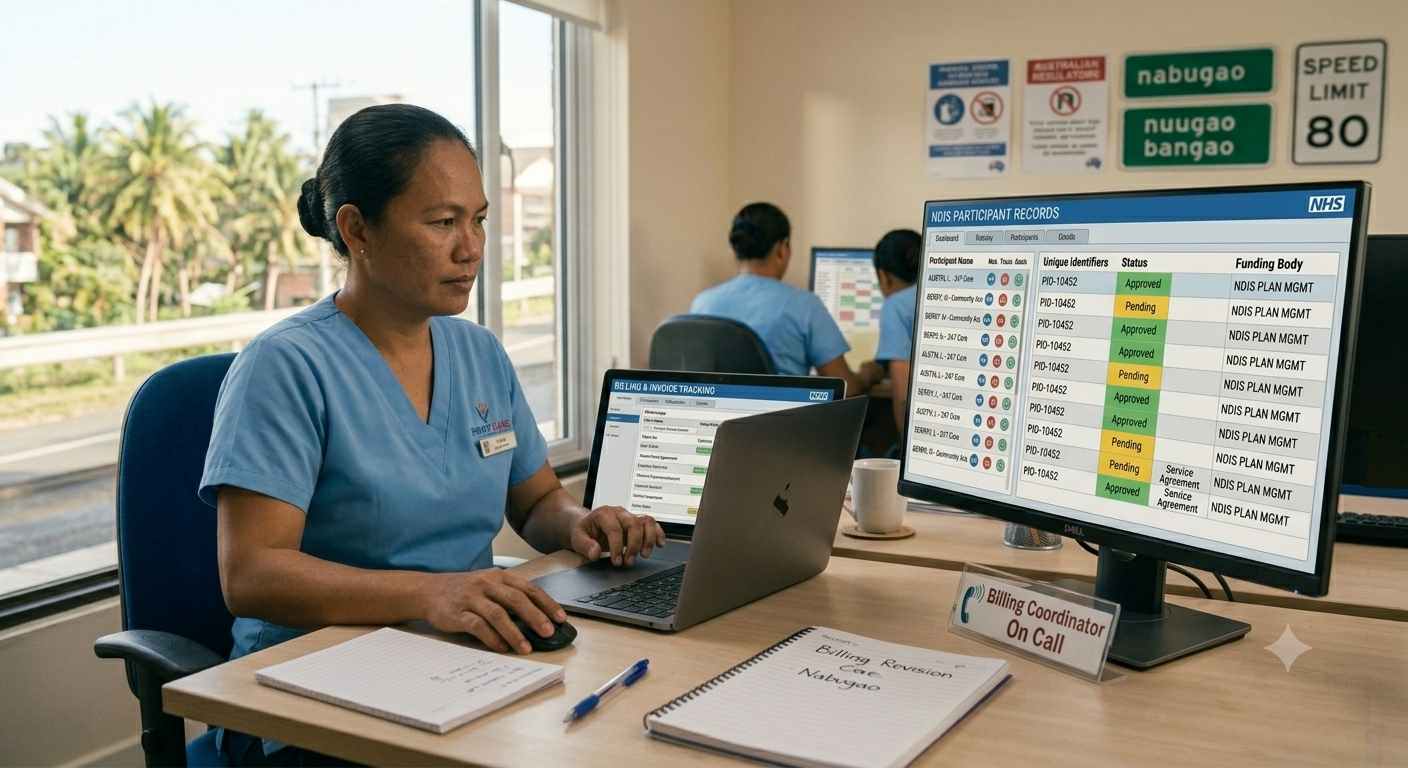
Fragmented data makes this worse. Rostering lives in one system. Timesheets in another. Billing in a third. Nobody has a complete picture until someone manually pulls it together, usually under time pressure, usually after something has already gone wrong.
What Separates Providers Who Hold Margin From Those Who Don’t
The providers who control margin aren’t necessarily the largest or the most experienced. They are the ones who see problems before they become costs.
That requires three things:
- Real-time operational visibility: knowing what is happening on the floor before payroll runs, not after
- Automated risk detection: systems that flag overtime thresholds, missed billing triggers, and cancellation windows without someone manually checking
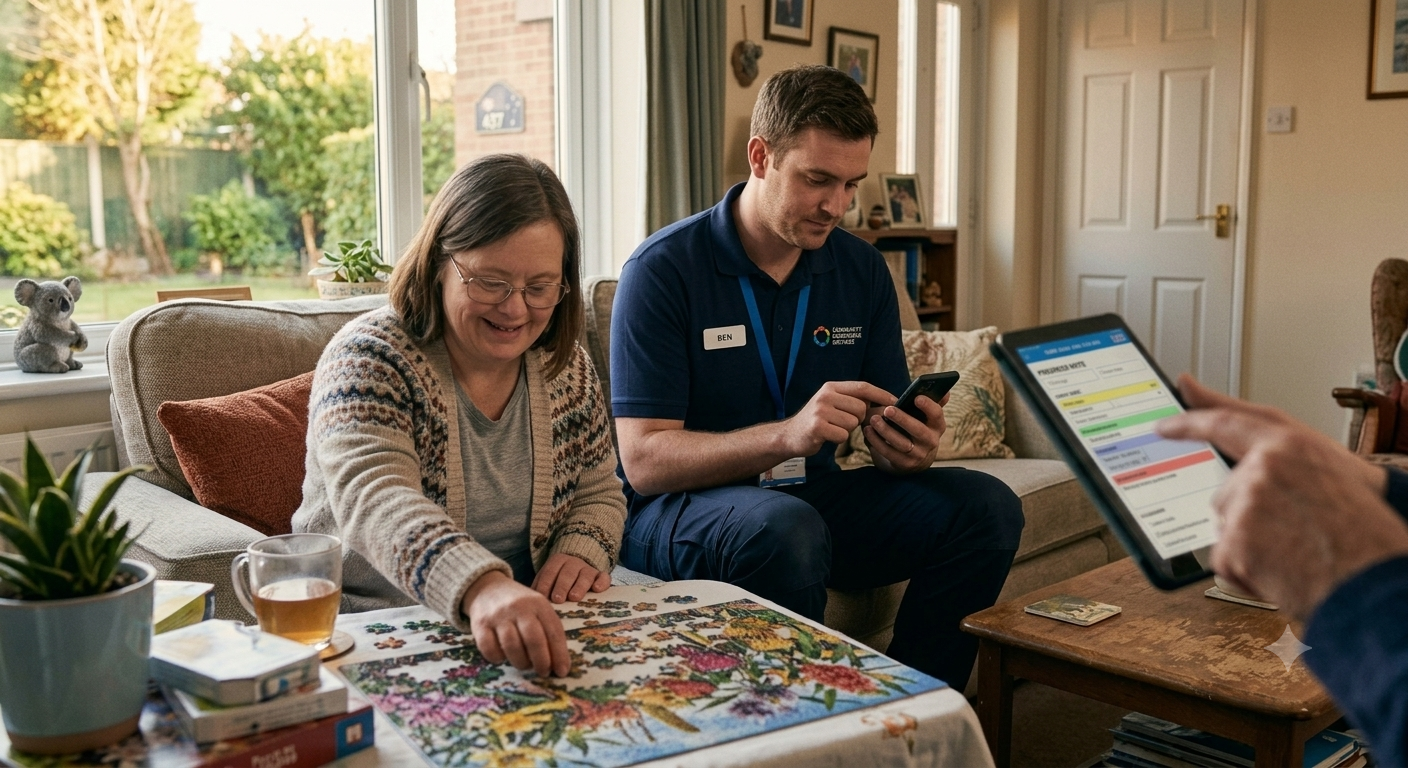
- Connected data: roster, care notes, timesheets, and billing in one place, so the gap between what was delivered and what was invoiced is visible and closable.
These are not aspirational capabilities. They are table stakes for any provider serious about financial sustainability in the current environment.
Streamline Operations and Keep Track of Your Margins With ShiftCare
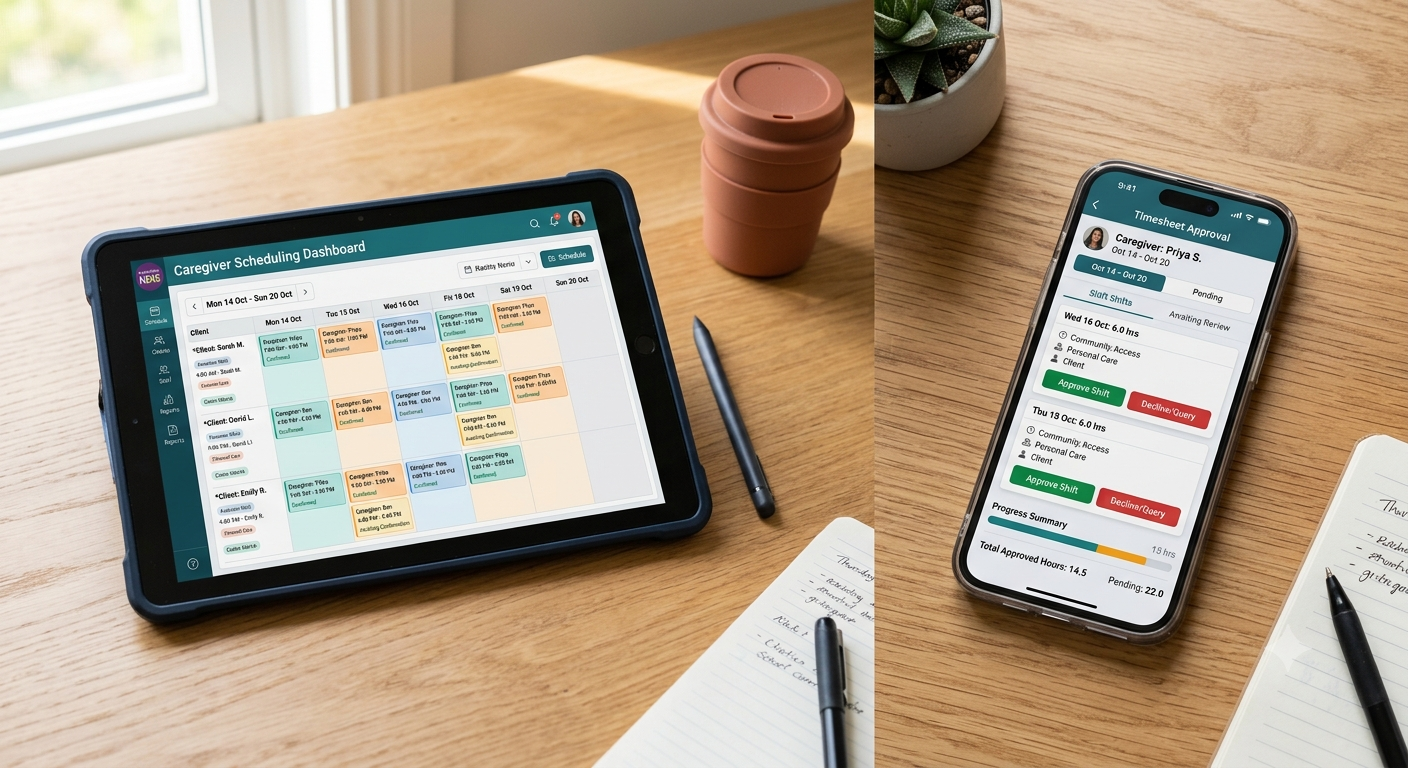
ShiftCare connects rostering, care delivery, timesheets, and billing into a single operational platform built specifically for NDIS and aged care providers in Australia.
The platform detects issues before they hit payroll. Overtime risks surface in real time. Cancellation windows are tracked automatically. Sleepover and overnight classifications are logged at the point of care, not reconstructed later. Travel and mileage are captured against actual shifts.
Providers using ShiftCare have visibility into the operational drivers of their margin, not just the financial outcomes. That visibility is what makes the difference.
Sign up for a free trial and see where your margin is actually going.