Your support workers are in the field with outdated tools. A support worker arrives at a client’s home with a printed care plan from yesterday and discovers the plan has changed. She wastes 20 minutes phoning the office to confirm the day’s activities. A carer needs to file an incident report but can’t do it on site; she waits until she returns to the office, creating a six-hour delay. A team coordinator tries to reassign a shift after a sick call, but the rostering system is on the office desktop, so she can’t update assignments in real time.
These are not edge cases. They are daily friction in most aged care and disability support organisations still relying on paper or desktop-only systems. Aged care mobile app software changes all of this by putting real-time information in every field worker’s pocket. Support workers need to know their shift assignments, client details, and care priorities the moment they leave their car. A mobile app puts this information in their pocket.
Reason 1: Real-Time Roster Updates Save Time
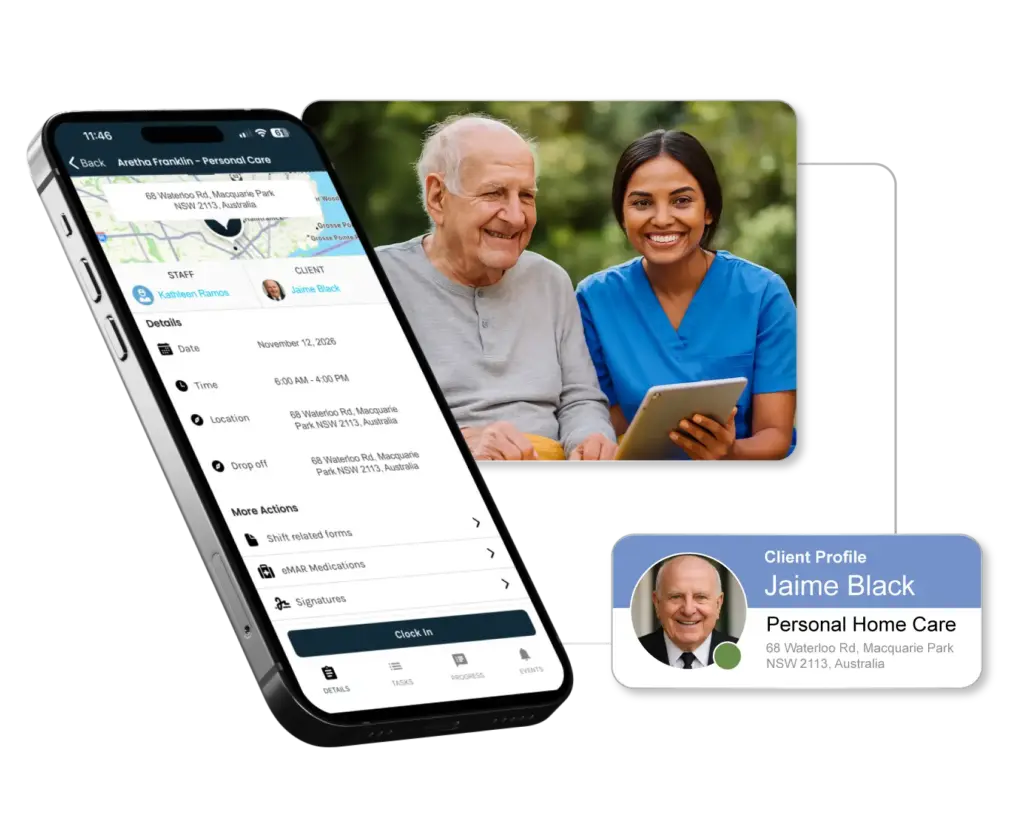
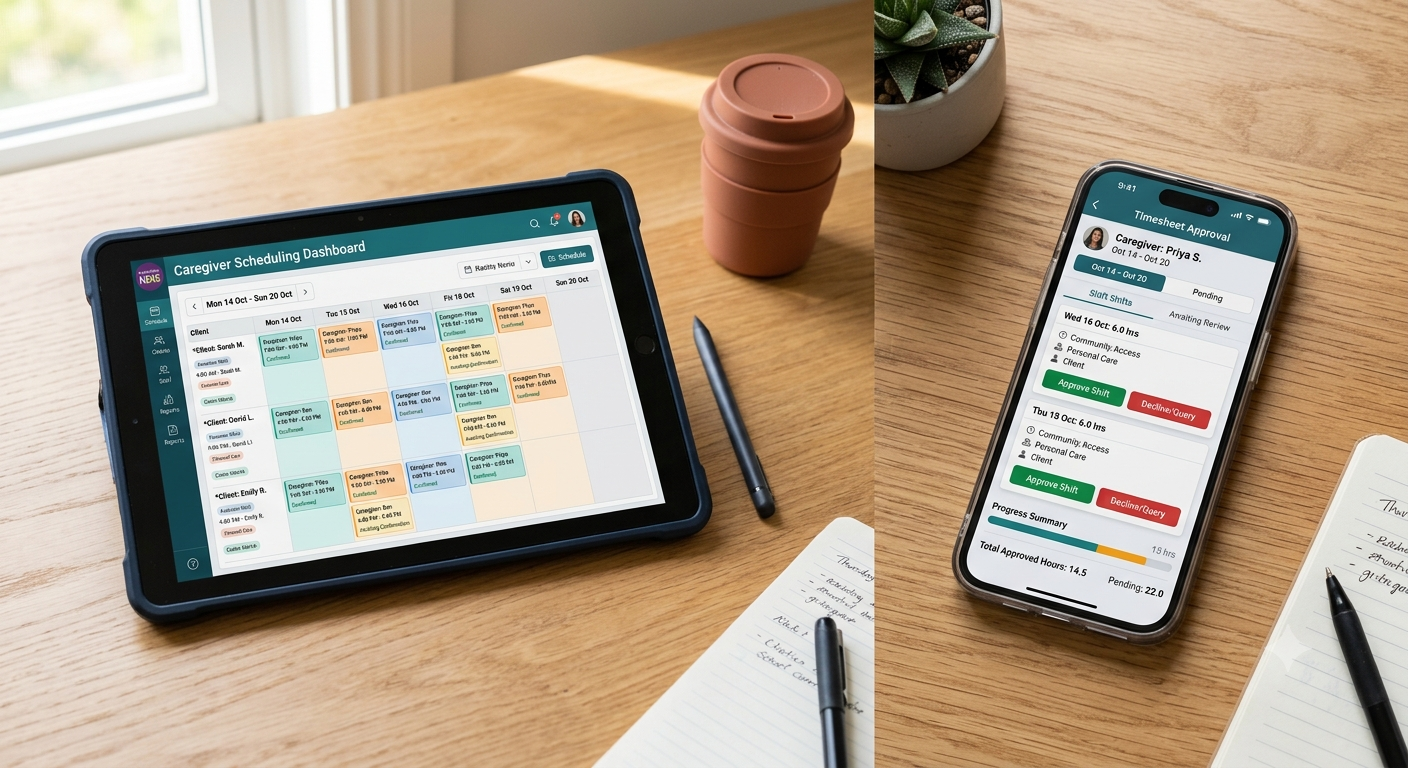
Support workers need to know their shift assignments, client details, and care priorities the moment they leave their car. A mobile app puts this information in their pocket. Each morning a worker checks the app and sees her full day at a glance: client address, care goals, medication reminders, mobility restrictions, and any recent notes from previous visits.
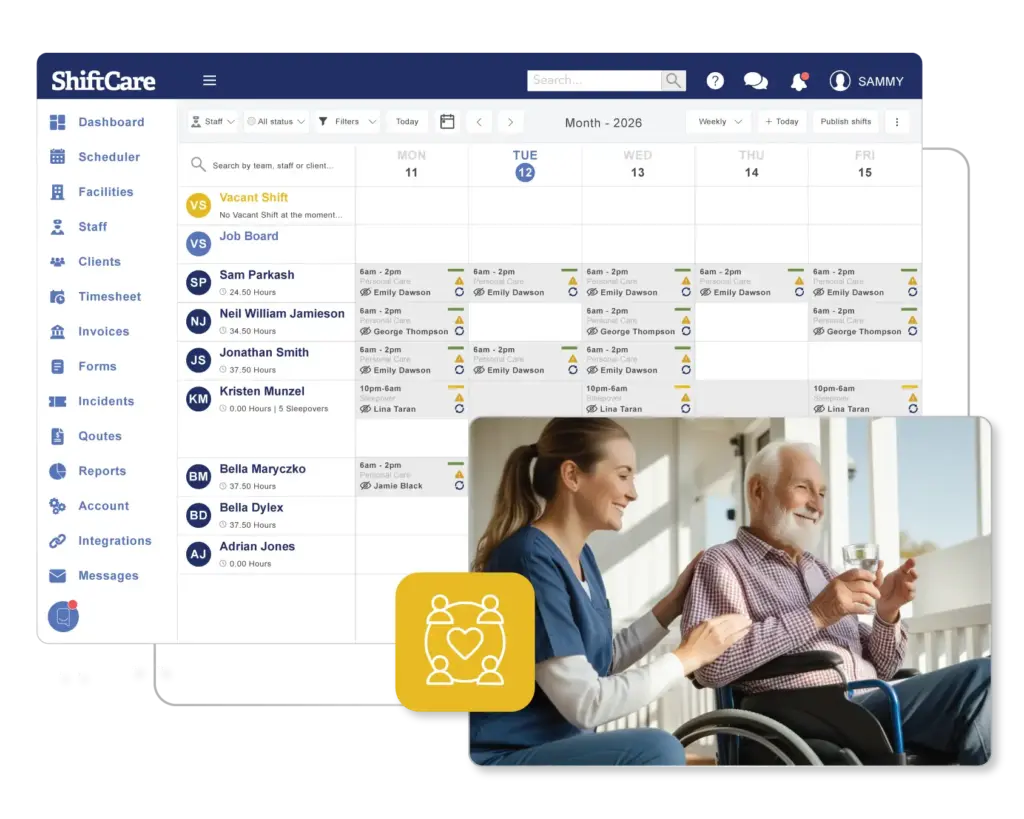
When a shift needs reassigning because a worker is sick or delayed, a coordinator pushes the new assignment to the worker’s phone instantly rather than phoning them or sending emails that might go unread. One aged care provider in regional New South Wales reported that switching to a mobile roster system cut shift-related phone calls by 60 percent in the first month. That is 60 percent fewer interruptions for your admin team every single day. ShiftCare’s scheduling tools are built specifically to handle this kind of real-time update at scale.
Reason 2: Incident Reporting Becomes Immediate
Paper incident forms and delayed office-based reporting create compliance and safety blind spots. If a resident falls during the morning shift, the carer needs to report it. With a mobile app, she files the report immediately, adding photos, witness names, and context while the event is fresh. The report lands in the manager’s inbox in real time, not six hours later.
This immediacy is critical for aged care compliance. The Aged Care Quality and Safety Commission expects providers to investigate incidents promptly and demonstrate a culture of transparent reporting. A mobile app creates a verifiable trail: reports were filed the same day, managers reviewed them within hours, and follow-up actions were logged. Paper systems and desk-based reporting cannot offer this evidence.
Reason 3: Care Notes Stay Current
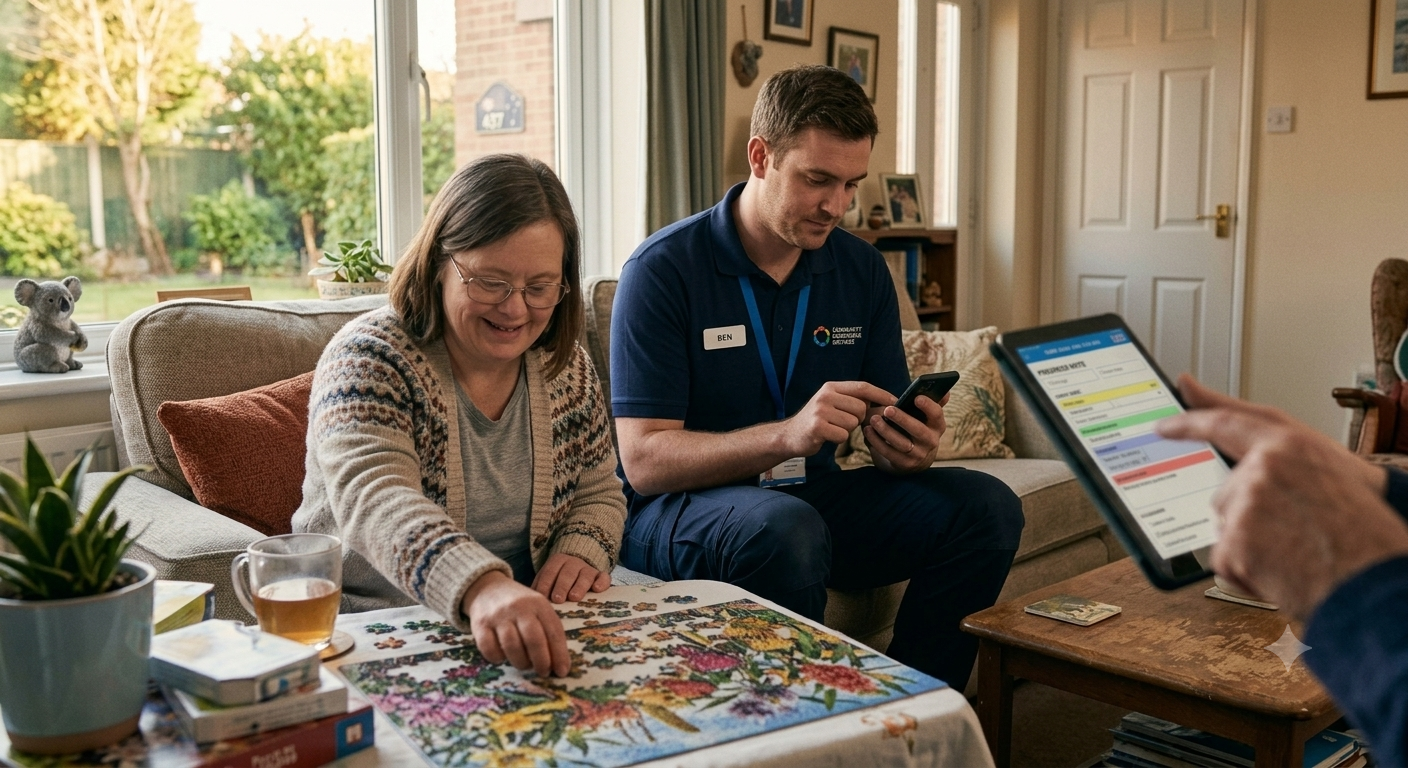
Care coordination depends on up-to-date information. If a client’s mobility, appetite, or mood has changed, the next worker needs to know immediately. With aged care mobile app software, carers document observations in real time: client declined lunch today, right knee swelling noted, expressed concern about upcoming family visit. These notes sync immediately to a shared care plan the whole team can see.
This is especially valuable for older adults with multiple support workers. When handovers happen digitally, workers do not miss critical context. A new shift worker reads the last three days of notes on the drive to a client’s home and arrives prepared. If a note flags a change that warrants a care plan review, a manager can escalate immediately.
Reason 4: Audit Readiness Improves
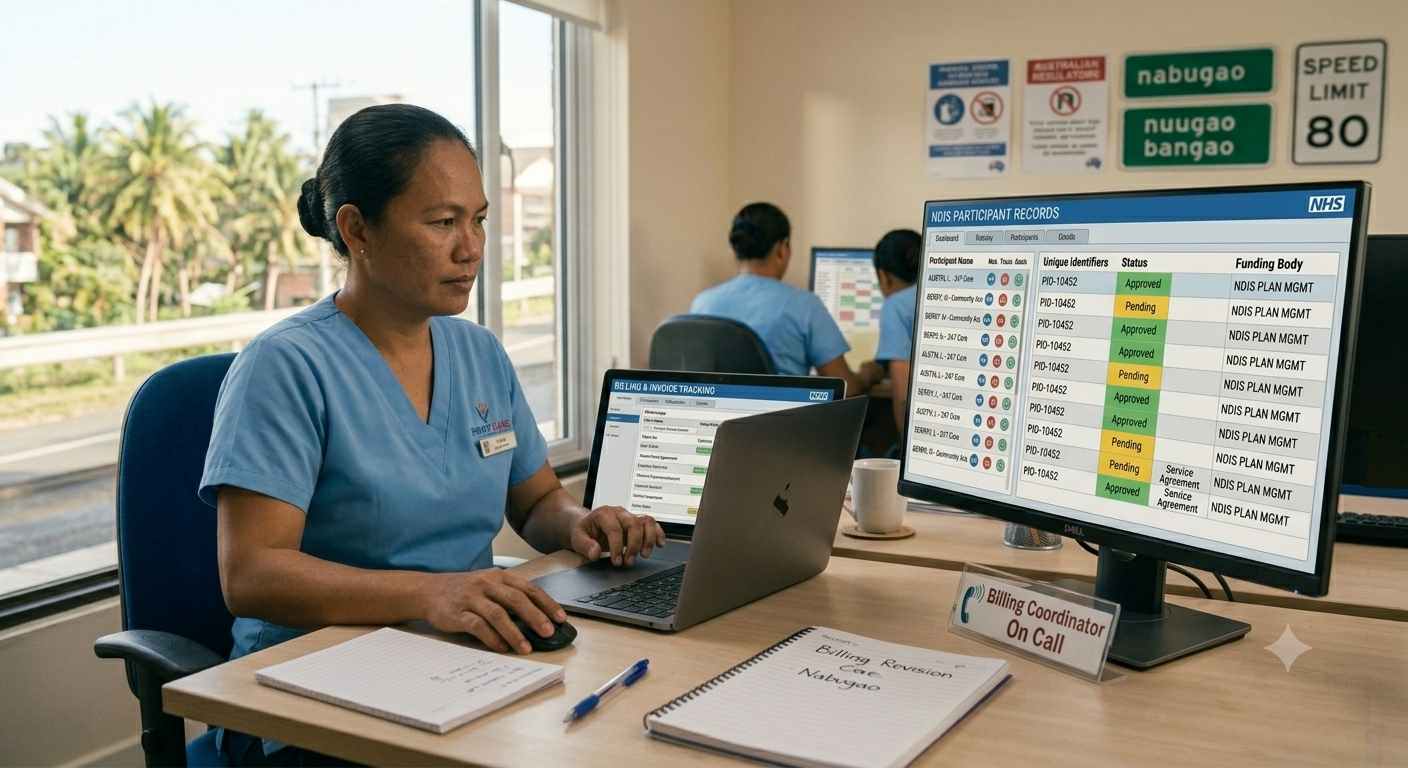
Auditors increasingly want digital evidence. Paper rosters, handwritten incident reports, and scattered care notes are hard to audit. A mobile system creates a comprehensive digital record of who worked when, what care was delivered, what incidents occurred, and how they were managed. When the Aged Care Quality and Safety Commission audits your organisation, they can ask to see all care notes for a specific client over a three-month period. With paper, you’d spend hours photocopying. With a mobile system, a manager exports the report in minutes. This efficiency alone reduces audit stress and demonstrates a professional, modern operation to regulators.
Reason 5: Staff Retention Improves
Support workers often feel isolated in the field, away from colleagues, with limited connection to the wider team. A mobile app changes this. They access the same information as the office team, ask questions through a shared communication function, and see their schedule in real time. This digital connectivity makes workers feel more supported and part of the organisation.
Organisations that invested in mobile tools during the pandemic reported higher staff satisfaction and lower turnover. Workers see technology as a signal that the organisation values their time and wants to remove friction from their jobs. In a sector facing chronic staffing challenges, that signal matters.
Choose the Right Mobile App for Your Team
Not every mobile app is equal. Look for a platform that integrates with your existing rostering and care planning system, so you’re not juggling disconnected apps. A mobile app changes this by giving them access to the same information as the office team, allowing them to ask questions through shared communication functions, and providing real-time schedule visibility. ShiftCare’s platform includes a mobile app designed from the ground up for funded care environments, handling rosters, care notes, and incident reporting in one place.
Start your free trial today. See how ShiftCare’s mobile app puts real-time information in your support workers’ pockets.