Automating NDIS billing helps providers submit cleaner claims, reduce rework, and improve cash flow. By linking service delivery to invoicing, standardising support items, validating claims early, and centralising billing data, providers can cut rejected claims, speed up payments, and stay audit-ready as oversight tightens.
How many NDIS claims were delayed or rejected in the past quarter? As the NDIA tightens its oversight on home visits and service delivery, reporting accuracy is more important than ever. Delayed payments disrupt cash flow. Even worse, repeated errors increase the risk of audits or compliance reviews.
To catch issues earlier and reduce rework, here are some simple steps on how you can automate NDIS billing. Let’s break down how following structured workflows and offloading system-level checks help you submit clean claims faster.
1. Link Service Delivery Directly to Claim Creation
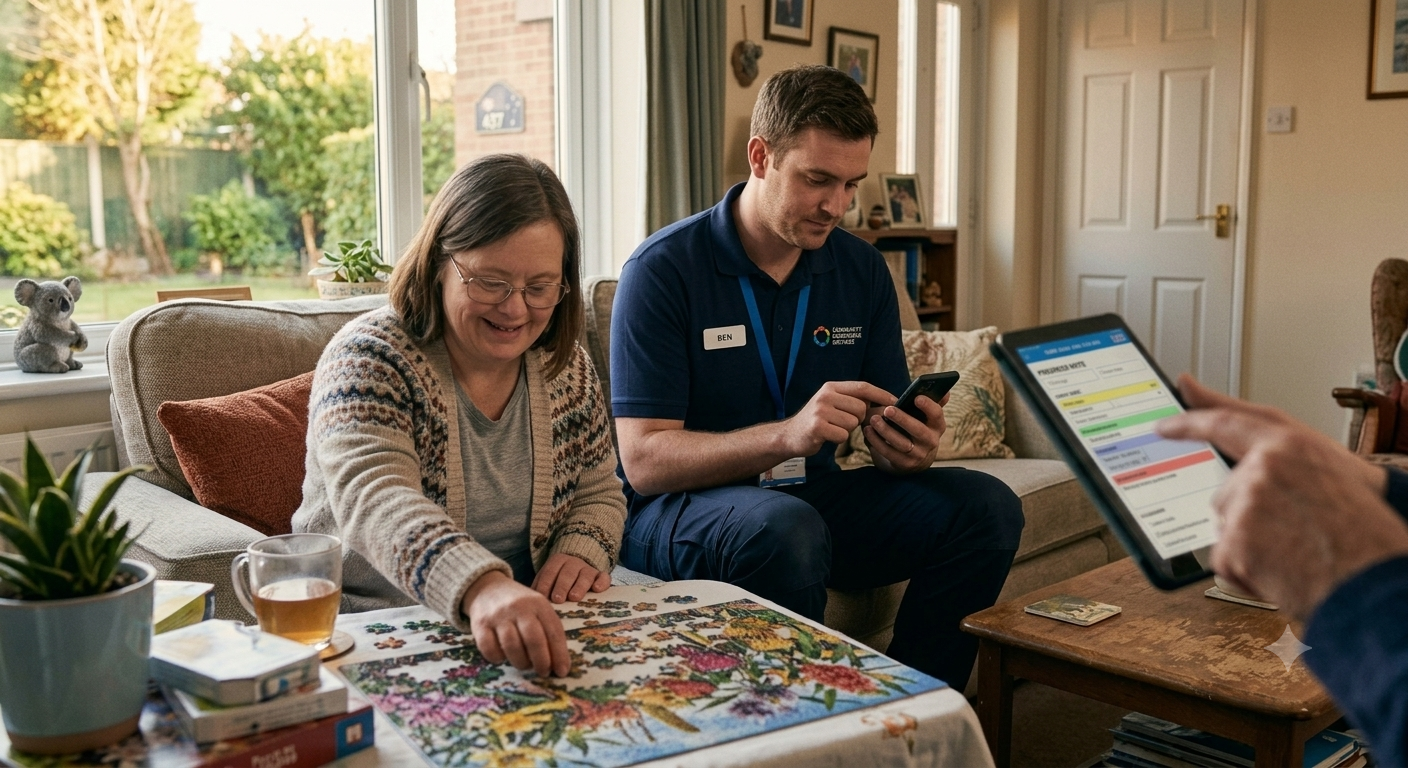
Automated billing starts at the point of care. You can generate invoices fast without re-entering data if you capture progress notes, service confirmations, and support item codes during visits. It’s an effective way to reduce delays from missed notes and mismatched lines.
2. Standardise Support Item Codes and Rates in the System
Manual billing errors usually come from inconsistent use of support item numbers and pricing – or going over price limits. Automation requires locking in correct NDIS support items, price limits, and unit types at the system level. Your staff just needs to select the correct services from the predefined options (or have a template in place that covers these steps).

3. Automate Validation Before Claims Are Submitted
NDIS portals don’t flag every issue clearly. Automating validation upstream helps catch common errors early, such as:
- Services delivered outside plan dates
- Units exceeding authorised limits
- Missing participant or worker details
Pre-submission checks prevent failed claims that delay payment cycles and flag you for audits.
4. Separate Service Approval From Finance Review
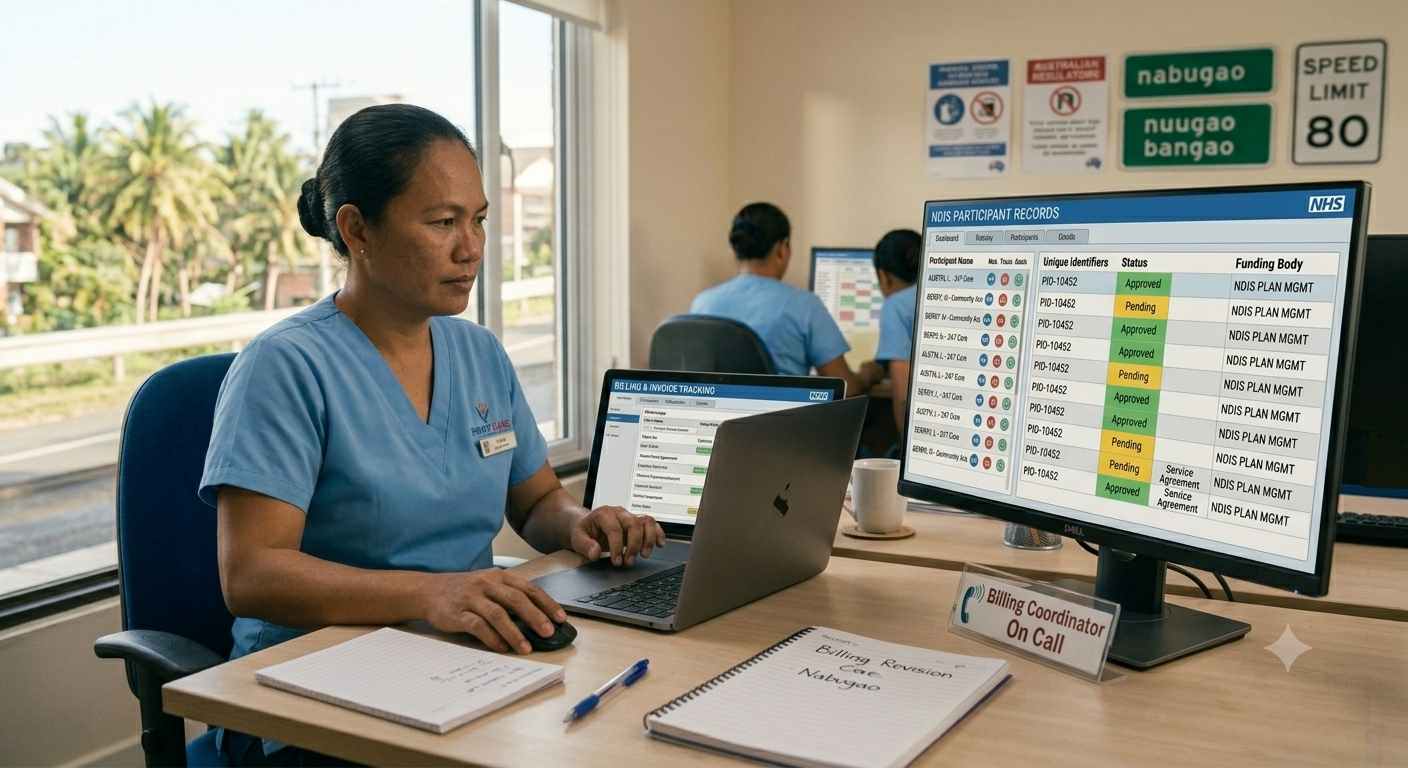
NDIS providers can automate handoffs between operations and finance. Once a service is delivered and approved in the system, it should sync as “ready to bill” in your queue. That way, your finance team can focus on exceptions rather than reviewing every line item manually.
5. Integrate Billing With Rosters and Authorisations
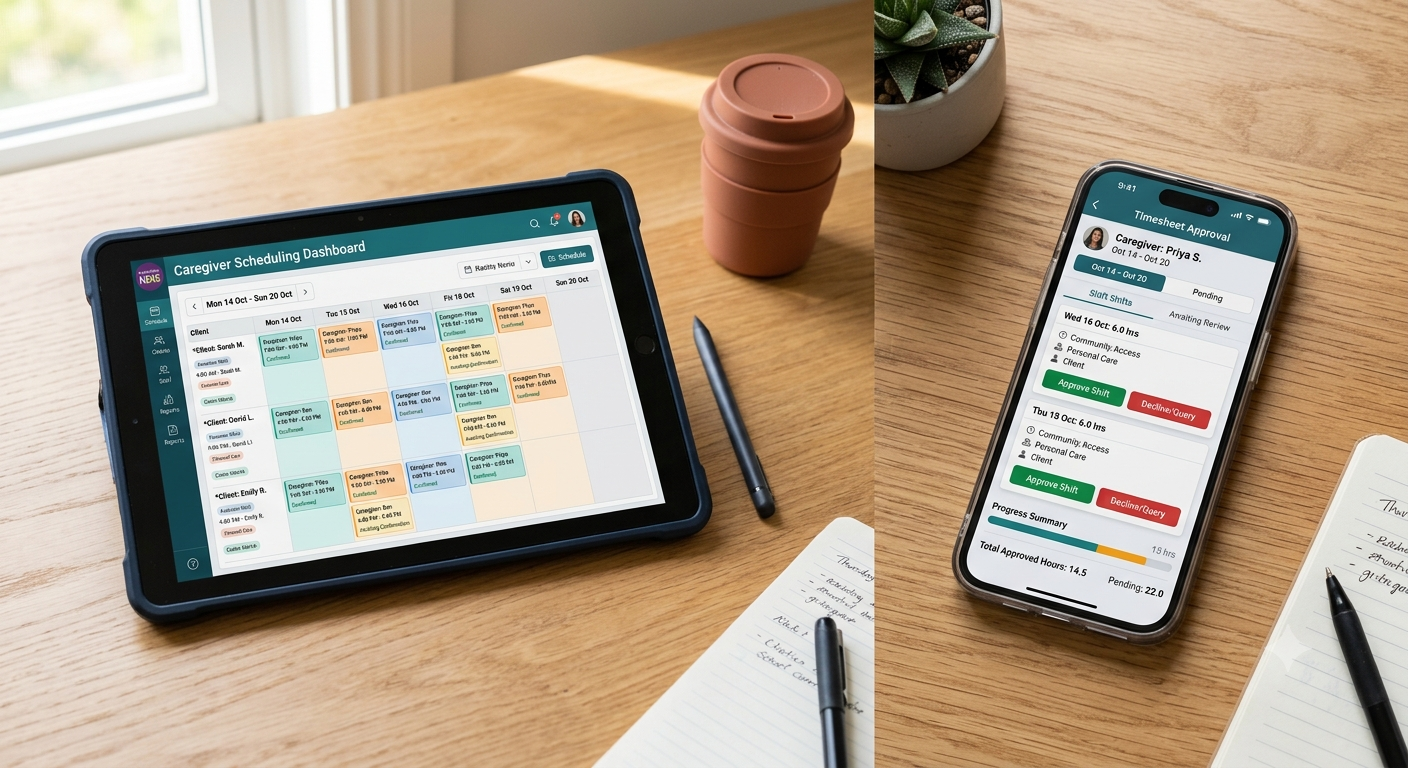
Automated billing works best when rosters, participant plans, and invoices share the same data source. It can prevent overservicing and generate accurate claims if your authorised hours and services are tied to your carers’ schedules.
6. Enable Bulk Claim Submission
Submitting claims one by one slows down payment cycles. Automation reduces admin time and gets claims out the door faster by allowing providers to batch invoices and submit claims in bulk.

7. Track Claim Status and Payments Automatically
Automation doesn’t stop once a claim or bill is submitted. Systems that track claim status, remittances, and outstanding payments reduce the need for manual follow-ups. With clear visibility into your paid, rejected, and pending claims, you can resolve issues faster.
8. Reduce Manual Adjustments and Credit Notes
Frequent invoice corrections are major roadblocks to cash flow. You need to reduce credit notes and resubmissions so that you can forecast your finances more accurately. Fewer adjustments means faster payments, and cleaner financial records.
9. Centralise Billing Data for Reporting and Forecasting
When billing data is accessible in one system, it’s easier to monitor:
- Average payment times
- Claim rejection rates
- Revenue by service type
These insights help identify bottlenecks and refine processes that directly impact cash flow and ROI. There are many ways you can look to centralise billing, either by leveraging workflows or using purpose built software to help manage payments and claims for the NDIS.
Reduce Billing Delays With Automated NDIS Claims
For reliable billing automation, you need a system that connects service delivery, approvals, and invoicing without manual handoffs. Centralise your entire workflow by upgrading to ShiftCare. It’s an all-in-one care management software that syncs your compliance, progress notes, care plans, and rostering with your billing systems.
Get started today for free. Start your free trial and see how ShiftCare reduces manual billing work and improves cash flow visibility for NDIS providers.